


Finding the Right Supplier of BESS Space: A Guide to Navigating Capacity and Location
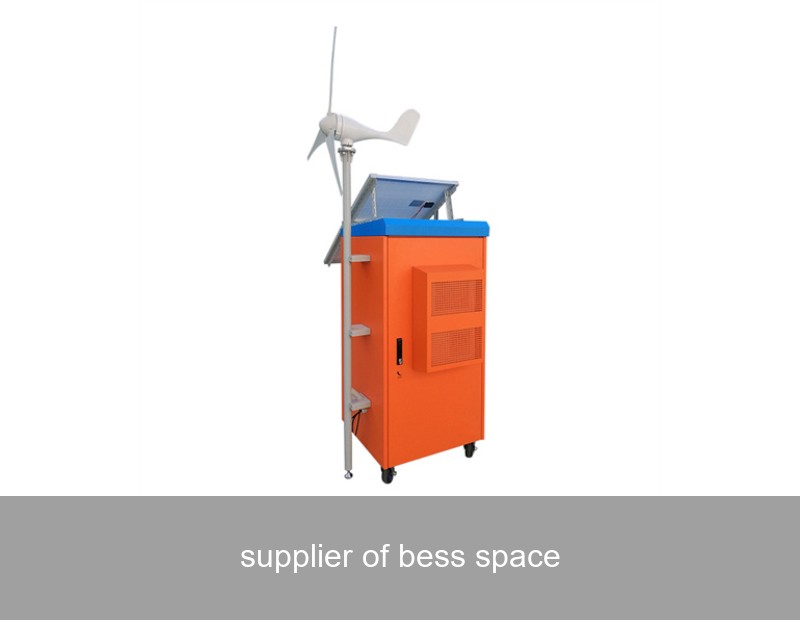
As the global energy landscape shifts decisively towards renewables, a critical challenge is emerging. Solar panels don't produce at night, and wind turbines can be still. This intermittency creates a pressing need: space to store energy. But we're not just talking about physical square footage. The term "BESS space" has evolved to represent the crucial intersection of available capacity, geographical location, and technical integration within the modern grid. For businesses, utilities, and communities, finding a reliable supplier of BESS space means securing more than just a battery container; it's about partnering for resilience, sustainability, and financial control. Let's explore what this truly entails.
The Grid Squeeze: Why "BESS Space" is the New Hot Commodity
a regional grid in California or Southern Europe is experiencing record solar generation at midday. Without sufficient load or storage, this clean energy risks being "curtailed" – essentially, wasted. Conversely, during a cold, calm evening, demand spikes, forcing reliance on fossil-fuel peaker plants. This is the daily rollercoaster grid operators face. The U.S. Energy Information Administration (EIA) projects that U.S. battery storage capacity will multiply significantly by 2050, highlighting the massive scale of deployment needed.
This isn't just a utility-scale problem. A manufacturing plant with a large rooftop solar array faces its own version: it generates excess power during weekends but draws expensive grid power during peak operating hours. Their "BESS space" need is on-site, tied directly to their operational economics and sustainability goals. The phenomenon is clear: whether at the transmission, distribution, or behind-the-meter level, strategic space for storage is at a premium.
Beyond the Footprint: The Three Dimensions of BESS Space
When evaluating a supplier of BESS space, it's vital to think beyond the physical container. True BESS space is a multi-layered concept:
- Physical & Geographical Space: The actual site for the system. Key considerations include accessibility, proximity to grid interconnection points or on-site loads, environmental conditions, and local permitting regulations. A good supplier helps navigate these complexities.
- Grid & Market Space: This refers to the "virtual" location within the electricity market. Can the system provide frequency regulation services? Is it positioned in a grid node prone to congestion? The right supplier designs systems that capitalize on these revenue or savings opportunities.
- Technological & Scalable Space: This is the capacity for the system to adapt. Does the hardware and software allow for easy expansion (scalability)? Can it integrate with existing solar, wind, or building management systems? Future-proofing your investment is non-negotiable.

As you can see, the physical units are just the beginning. The intelligence that manages them defines the value of the space they occupy.
The Data Behind the Demand
Let's look at some numbers. According to BloombergNEF's 2023 report, the global energy storage market is set to grow exponentially, with over 1 Terawatt-hour (TWh) of cumulative capacity projected by 2030. This isn't just about clean energy; it's about economics. In markets like Texas (ERCOT) or the UK, price arbitrage—buying cheap power to store and selling it when prices are high—can create compelling returns. A sophisticated BESS acts as both a shock absorber for the grid and a financial asset for the owner.
A European Case Study: Grid Stability in Germany
Let's ground this in reality. Germany's Energiewende (energy transition) has led to a high penetration of wind and solar. However, grid stability in the northern regions, rich in wind power, has been a concern due to transmission bottlenecks to southern industrial centers.
The Challenge: A regional grid operator needed to defer costly grid upgrades and stabilize local frequency without curtailing renewable generation.
The Solution: They partnered with an experienced supplier of BESS space to deploy a 50 MW / 100 MWh battery storage system at a key substation. This system wasn't just sitting there; it was actively providing primary frequency response and absorbing excess wind energy.
The Data-Driven Outcome: Within the first year of operation, the system:
- Responded to grid frequency deviations in milliseconds, over 10,000 times.
- Enabled the integration of an estimated 15 GWh of additional renewable energy that might have otherwise been curtailed.
- Provided a reliable alternative to a traditional grid reinforcement project, saving millions in capital expenditure and years of construction time.
This case perfectly illustrates the multi-dimensional value of BESS space: a physical location at a substation, operating in a critical grid market (frequency regulation), using scalable technology.
Highjoule's Approach: Delivering Intelligent BESS Space Solutions
At Highjoule, with nearly two decades of experience since 2005, we understand that being a premier supplier of BESS space means providing holistic, intelligent solutions. We don't just deliver containers; we deliver optimized capacity tailored to your specific geographical, market, and technical "space."
Our HPS (Highjoule PowerStack) series for commercial and industrial applications is a prime example. It's a modular, containerized BESS designed with space optimization in mind—both physical and digital. Its compact footprint maximizes energy density, while its integrated AI-driven energy management system, JouleBrain™, ensures it operates optimally within the local market and grid environment. Whether your goal is peak shaving, backup power, or participating in demand response programs, we configure the HPS to fill that precise "space" in your energy strategy.
For larger-scale utility and microgrid projects, our GridMax platform takes this further. We act as a true partner, handling everything from site assessment and financial modeling to grid compliance and long-term performance monitoring. We ensure the BESS space you invest in is productive, compliant, and future-ready.

Technology in Focus: The Software Layer
The hardware stores the energy, but the software unlocks its value. A study by the National Renewable Energy Laboratory (NREL) emphasizes that advanced controls are key to maximizing BESS value streams. Highjoule's JouleBrain™ platform does exactly this, using real-time data and predictive algorithms to decide when to charge, discharge, or hold—turning your BESS space into a dynamic financial and operational asset.
Key Questions for Your Potential BESS Space Supplier
As you evaluate partners, move beyond basic specs. Here are critical questions to ask:
| Dimension | Key Questions to Ask |
|---|---|
| Physical & Project | "Can you assist with full turnkey delivery, including site planning, permitting, and grid interconnection approval?" |
| Financial & Market | "How will your system's software optimize for my specific goals (e.g., ROI, sustainability) in my local energy market?" |
| Technical & Future | "Is the system modular? How do you ensure battery longevity, and what does your long-term performance guarantee include?" |
| Partnership | "What is your track record in my region/application? Can you provide operational data from similar projects?" |
Choosing the right supplier is about finding a guide who understands the full terrain of BESS space, not just a vendor of equipment.
So, as you look at that empty lot, that underutilized corner of your facility, or that grid constraint on your map, ask yourself: Is your current approach to energy storage simply filling a space, or is it strategically defining and optimizing one? What would it mean for your operations to have a partner who views that space as the foundation for resilience, savings, and sustainability?
 Inquiry
 Online Chat