


Finding the Right "Sunny Boy Storage for Sale": Your Guide to Smart Home Energy in 2024
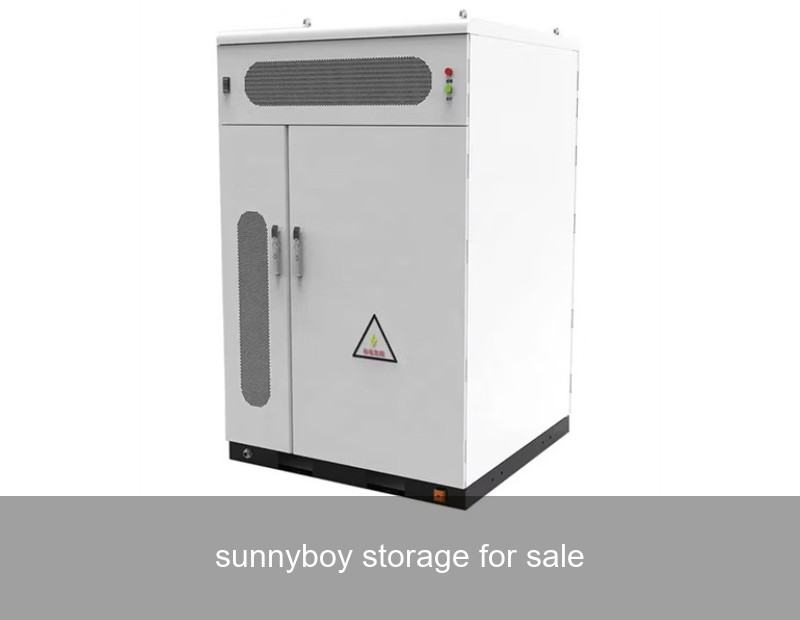
So, you're searching for a "Sunny Boy Storage for sale." That's a smart move. It means you're likely a homeowner with solar panels, or considering them, and you've heard about the magic of adding a battery. You're no longer just generating power; you're aiming to control it. But here's the thing: the landscape of home energy storage has evolved dramatically since SMA's Sunny Boy Storage first made waves. Today, finding the right solution isn't just about a single product listing; it's about finding a system that fits your home's unique energy personality, future-proofs your investment, and delivers true energy independence. Let's navigate this journey together.
Table of Contents
The Phenomenon: From Solar Panels to Personal Power Plants
A decade ago, home solar was simple: panels made power during the day, and you used it or sold it back. The "duck curve" – a term grid operators use to describe the steep ramp-up in demand when the sun sets – wasn't a homeowner's concern. Today, with rising electricity costs and a growing desire for resilience, the equation has changed. According to the U.S. Department of Energy's Solar Futures Study, pairing storage with solar is key to decarbonizing the grid and maximizing solar's value for homeowners.
This is where your search for "Sunny Boy Storage for sale" begins. It's a search for autonomy. You want to capture every kilowatt-hour your panels produce, use it to power your home at night, and keep the lights on during an outage. It's a shift from being a passive producer to an active manager of your energy ecosystem.
Looking Beyond the Brand: Key Storage Features That Matter in 2024
While familiar brand names are a good starting point, the technology inside the box is what truly delivers value. When evaluating any storage system, including legacy or new options, here are the non-negotiable features to consider:
1. Battery Chemistry & Longevity
Many older systems, including earlier Sunny Boy Storage units, utilized lead-acid or early-generation lithium-ion. The standard today is Lithium Iron Phosphate (LFP). Why? Superior safety, a longer lifespan (typically 6,000+ cycles to 80% capacity), and excellent thermal stability. It's the chemistry that lets manufacturers offer 10-year or longer warranties with high throughput guarantees.

Image Source: Unsplash - A modern, wall-mounted LFP battery system.
2. Scalability and Modular Design
Your energy needs tomorrow may differ from today. A modular system allows you to start with a capacity that fits your budget and add more battery modules later seamlessly. Look for systems designed for easy capacity expansion without needing to replace the entire power electronics unit.
3. Intelligent Energy Management Software
This is the true brain of the operation. Can the system learn your consumption patterns? Can it automatically prioritize solar self-consumption, schedule charging from the grid during off-peak rates (if beneficial), and provide detailed insights via a user-friendly app? Smart software turns a battery into a dynamic financial and resilience tool.
4. Resilience & Backup Power Capability
Not all storage systems provide backup power. Many are designed solely for energy shifting. If weathering storms and outages is a priority, ensure the system includes a dedicated backup gateway or functionality to automatically island your home from the grid, keeping critical loads running.
A Real-World Case: The Johnson Family's Energy Transformation
Let's look at a concrete example from Munich, Germany. The Johnson family installed a 8 kWp solar array in 2020. By 2022, despite high feed-in tariffs, they were frustrated that 65% of their solar energy was being exported, only to buy expensive power at night. They initially searched for a "Sunny Boy Storage for sale" as an add-on.
After consulting with a local integrator, they opted for a modern, integrated system featuring an LFP battery. Here are the results after one year:
| Metric | Before Storage | After Storage |
|---|---|---|
| Solar Self-Consumption | 35% | 85% |
| Grid Electricity Purchases | 4,200 kWh/year | 1,100 kWh/year |
| Annual Electricity Bill | €1,850 | €420 |
| Backup Power | None | Essential circuits for 24+ hours |
"The game-changer," says Mr. Johnson, "was the intelligent software. It automatically charges the battery with excess solar, and if a cloudy day is forecast, it strategically reserves enough capacity to get us through the night. We're now in control."
The Highjoule Advantage: Intelligent Storage for Modern Homes
At Highjoule, with nearly two decades of experience since 2005 in providing advanced storage solutions globally, we've engineered our residential systems around these core 2024 principles. We understand that a search for "Sunny Boy Storage for sale" is fundamentally a search for reliability, intelligence, and value.
Our Highjoule HomePower Stack series is built for the discerning homeowner:
- Advanced LFP Technology: Our proprietary cell management ensures maximum cycle life and safety, backed by a robust 12-year warranty.
- Truly Modular Design: Start with a base 5 kWh unit and expand in 2.5 kWh increments up to 20 kWh. No need to change the inverter or hub; just add more modules.
- Highjoule EnergyOS™: This is where the magic happens. Our AI-driven platform analyzes weather, usage patterns, and tariff rates (in deregulated markets) to optimize your energy flow 24/7. The intuitive app gives you complete visibility and control.
- Seamless Backup Integration: Every HomePower Stack includes a built-in, automatic transfer switch. When the grid fails, it transitions your home to backup power in milliseconds, with configurable load panels for essential circuits.

Image Source: Unsplash - Homeowner monitoring energy system performance.
For homeowners with existing solar, including those with SMA Sunny Boy inverters, our systems are designed for versatile AC coupling. This means we can integrate with your current setup, upgrading your solar array into a comprehensive, self-sufficient power station.
Making the Right Choice for Your Home
Your journey shouldn't end with finding a product for sale. It should begin with a clear understanding of your goals. Are you primarily looking to cut bills, achieve energy independence, or ensure resilience? Your answer will guide the capacity and features you need.
We recommend partnering with a certified installer who can perform a detailed energy audit. They should analyze your past consumption (using utility bills), model your solar production, and recommend a system size that meets your goals. Be wary of one-size-fits-all solutions.
Remember, you're not just buying a battery; you're investing in a home energy platform for the next decade or more. The technology, software ecosystem, and company behind it are as important as the upfront cost.
Ready to Move Beyond the Search?
If you started your search looking for a specific product but are now thinking about the long-term performance, intelligence, and resilience of your home energy system, we invite you to explore a different path. What specific energy challenge in your home are you most eager to solve with a storage system?
 Inquiry
 Online Chat