


Sunlight Solar Energy Systems: The Complete Guide to Powering Your Future
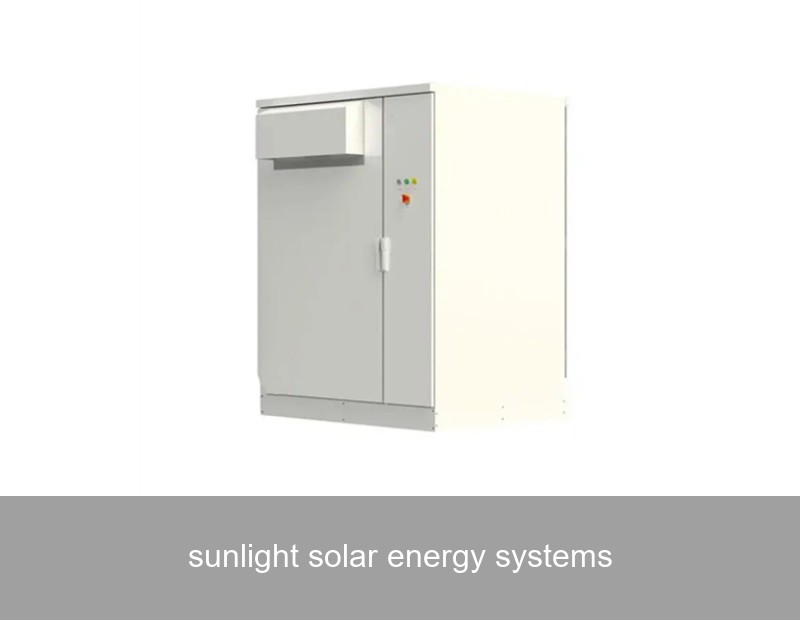
Imagine a world where your home or business is powered by the sun—clean, abundant, and increasingly, incredibly smart. That's the promise of modern sunlight solar energy systems. But if you're considering this leap, you're likely asking: "How do I ensure this system works reliably day and night?" The answer lies not just in the panels you see, but in the intelligent storage and management you don't. This is where the true revolution in renewable energy is happening.
Table of Contents
- The Phenomenon: From Simple Panels to Intelligent Energy Hubs
- The Data: Why Storage is the Missing Link for Solar
- Case Study: A German Bakery's Recipe for Energy Independence
- The Highjoule Approach: Beyond the Battery
- Key Components of a Modern Sunlight Solar Energy System
- The Future is Integrated and Intelligent
The Phenomenon: From Simple Panels to Intelligent Energy Hubs
For years, the story of solar was simple: install panels, generate power during the day, and rely on the grid at night or on cloudy days. This one-way relationship left a lot of potential—and sunlight—on the table. The sun doesn't shine on a utility's schedule, and peak energy demand often occurs in the evening, creating a fundamental mismatch.
Today, the conversation has shifted. A contemporary sunlight solar energy system is no longer just an array of panels on a roof. It's an integrated energy ecosystem comprising solar generation, smart battery storage, advanced inverters, and energy management software. This evolution turns a passive producer into an active, resilient energy asset.
The Data: Why Storage is the Missing Link for Solar
The numbers paint a compelling picture. According to the U.S. Department of Energy, the average annual electricity consumption for a U.S. residential utility customer is about 10,500 kilowatt-hours (kWh). A well-sized solar array can cover a significant portion of this. However, without storage, typical household self-consumption of solar power is only 30-50%. The rest is exported to the grid, often at a lower price than the cost to import it later.
Adding a battery changes the calculus dramatically. With storage, self-consumption can soar to 70% or even higher. For commercial and industrial (C&I) users with demand charges—fees based on their highest rate of power use—the savings are even more pronounced. A battery can discharge during short periods of peak demand, shaving those costly spikes and delivering a rapid return on investment.

Image Source: Unsplash. A modern home solar installation with integrated battery storage.
Case Study: A German Bakery's Recipe for Energy Independence
Let's look at a real-world example from Bavaria, Germany. A mid-sized family bakery with high energy needs for ovens, refrigeration, and lighting faced rising energy costs and sought sustainability goals. They installed a 100 kWp solar array on their bakery and warehouse roofs. Initially, they were exporting over half their midday solar production.
By integrating a Highjoule C&I PowerStack 150 battery energy storage system (BESS) with a capacity of 150 kWh, they transformed their operation. The system was configured for:
- Peak Shaving: The battery automatically powers the facility during the early morning baking peak before the sun is strong, avoiding high grid draw.
- Self-Consumption Maximization: Solar energy produced midday is stored to run evening cleaning shifts and keep refrigeration online overnight.
- Backup Power: Critical cold storage is protected during grid outages.
The results after one year were impressive:
| Metric | Before Storage | After Storage |
|---|---|---|
| Grid Energy Import | 65% of needs | 25% of needs |
| Solar Self-Consumption | ~40% | ~85% |
| Peak Demand Charge | Reduced by 60% | |
| Annual Energy Cost Savings | — | €18,200 |
This case demonstrates that for businesses, a sunlight solar energy system with intelligence is a direct contributor to the bottom line.
The Highjoule Approach: Beyond the Battery
Founded in 2005, Highjoule's philosophy is that storage is more than just a battery in a box. It's the intelligent core of a modern energy system. Our products, like the ResiCore Home and Industrial PowerStack series, are built with this in mind.
What sets our systems apart is the Adaptive Energy Operating System (AEOS). This proprietary software doesn't just store and release energy. It learns your energy patterns, forecasts weather and solar production, and can be configured to optimize for various goals—whether that's maximizing self-consumption, participating in grid flexibility programs (common in Europe and parts of the U.S.), or ensuring critical backup. For our C&I and microgrid clients, this intelligence is what transforms a capital expense into a strategic, revenue-generating asset.

Image Source: Unsplash. A technician performing maintenance on a containerized BESS unit, similar to Highjoule's large-scale solutions.
Key Components of a Modern Sunlight Solar Energy System
1. Solar Photovoltaic (PV) Panels
These are the primary harvesters. Modern monocrystalline panels are highly efficient, often converting over 21% of sunlight into electricity. Their quality and placement are foundational.
2. The Inverter: The System's Brain
Inverters convert the DC electricity from panels into AC for your home or business. In a system with storage, a hybrid inverter or a dedicated storage inverter manages the flow between solar, battery, and grid seamlessly.
3. The Battery Storage System: The Heart of Resilience
This is where Highjoule's expertise shines. We use lithium iron phosphate (LFP) chemistry for its safety, long lifespan (typically over 6,000 cycles), and stability. Our systems are designed for daily, deep cycling, ensuring they last for decades.
4. Energy Management System (EMS): The Nervous System
This software layer, like our AEOS, makes the system smart. It controls when to charge, when to discharge, and how to prioritize loads, ensuring every kilowatt-hour of your precious solar energy is used optimally.
The Future is Integrated and Intelligent
The next frontier for sunlight solar energy systems is their role in grid stability. In regions like California or across the EU, virtual power plants (VPPs) are emerging. Here, thousands of distributed systems like Highjoule-equipped homes and businesses can be aggregated to act as a single, large power plant, providing capacity to the grid during times of extreme demand. This not only strengthens community resilience but can also provide a new income stream for system owners.
The technology is ready. The economics are increasingly favorable, especially with incentives like the U.S. Investment Tax Credit (ITC) or various European Union grants. The question is no longer if you should invest in a solar energy system, but how intelligent and future-proof your system will be.
As you contemplate your own energy transition, what specific challenge—be it unpredictable energy bills, a desire for true energy independence, or a corporate sustainability target—would you want your sunlight solar energy system to solve first?
 Inquiry
 Online Chat