


Harnessing the Sun: A Guide to Square Power Solar Battery Systems
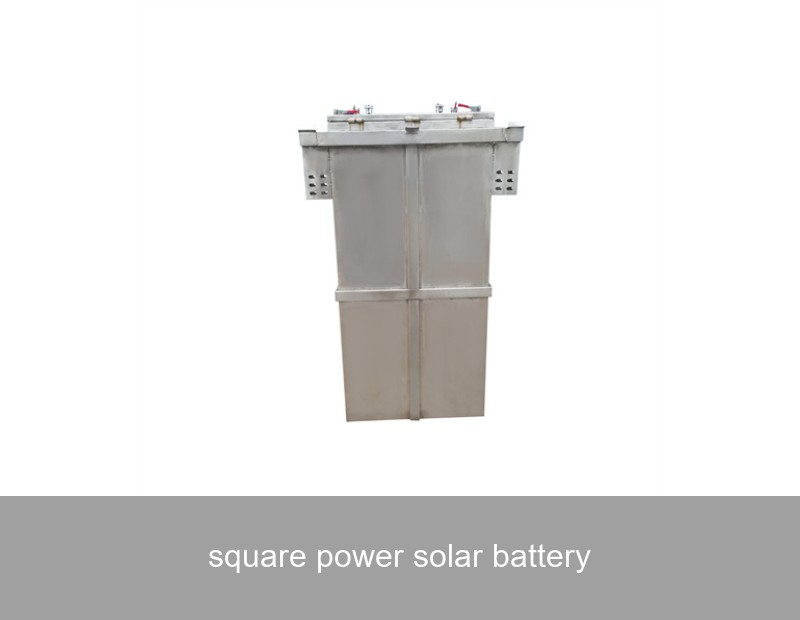
Imagine a world where your home or business isn't just powered by the sun, but truly empowered by it. This isn't about simply offsetting your electricity bill; it's about achieving true energy independence, resilience, and contributing to a cleaner grid. The key to unlocking this potential lies in a crucial piece of technology: the square power solar battery. This isn't just any battery; it represents a new class of intelligent, high-density energy storage designed to seamlessly integrate with your solar panels, turning intermittent sunlight into a reliable, 24/7 power source. In this article, we'll demystify how these systems work, explore their tangible benefits with real-world data, and see how they are revolutionizing energy management for homes and businesses across Europe and the United States.
Table of Contents
The Phenomenon: From Solar Panels to Power Security
For years, the narrative around solar energy was straightforward: install panels, generate clean power during the day, and rely on the grid at night or on cloudy days. This model, while beneficial, left a significant gap. Homeowners and businesses were essentially "donating" excess solar energy to the grid during peak production (often at low rates) only to buy it back in the evening (at high rates). Furthermore, increasing grid instability, marked by more frequent and severe weather events leading to outages, exposed a critical vulnerability. The solar array would shut down during a blackout for safety reasons, leaving you in the dark despite having a power source on your roof. This phenomenon created a clear and pressing need—a way to capture, store, and intelligently manage solar energy on-site.

Image: A modern home energy system combining solar panels and a sleek, square-form battery unit. Source: Unsplash
Enter the modern square power solar battery. These systems are the missing link in the renewable energy chain. They are compact, wall-mounted units that store the surplus electricity your solar panels produce. When the sun sets, your consumption spikes, or the grid fails, the battery seamlessly takes over, powering your essential loads. This transforms your property from a passive energy consumer into an active, intelligent energy hub.
The Data: Why Energy Storage is No Longer Optional
Let's move beyond concept and look at the compelling numbers driving the adoption of solar-plus-storage systems, particularly in our target markets of the US and Europe.
- Financial Returns: In regions with Time-of-Use (TOU) billing or demand charges (common for businesses), a square power solar battery can dramatically shift energy usage away from peak, expensive periods. The U.S. Energy Information Administration notes that commercial electricity demand charges can constitute 30-70% of a total bill. A battery system strategically discharging during these peaks can slash those costs.
- Outage Frequency: Data from the U.S. Department of Energy indicates that the number of weather-related power outages in the U.S. has significantly increased over the past two decades. In Europe, grid modernization is a top priority, but resilience remains a concern. A battery provides instantaneous backup power, often in less than a heartbeat (20-30 milliseconds).
- Self-Consumption: Without storage, a typical solar home might only use 30-50% of its solar generation directly. With a battery, that figure can jump to 70% or higher, maximizing your investment in solar panels and reducing your dependence on the utility's pricing whims.
| Metric | Without Solar Battery | With Solar Battery |
|---|---|---|
| Average Self-Consumption of Solar Energy | ~40% | >70% |
| Grid Outage Response | Full Power Loss (Solar Shuts Off) | Seamless Backup for Essential Loads |
| Impact on Peak Demand Charges (Commercial) | High, Unavoidable | Can Be Reduced by 50%+ |
Case Study: A California Winery's Journey to Resilience
Let's examine a real-world application. A mid-sized winery in Sonoma County, California, faced a triple threat: rising electricity costs, crippling demand charges from running refrigeration and processing equipment, and an ever-present risk of wildfires leading to preemptive power shutoffs (PSPS events). These outages threatened not only operations but also their valuable inventory stored in temperature-controlled facilities.
The Solution: The winery partnered with Highjoule to design and install a comprehensive microgrid solution. This included a significant expansion of their existing solar array, coupled with a 250 kWh Highjoule IntelliStack commercial battery energy storage system (BESS). The system's intelligent software was programmed with the winery's operational data and utility rate structure.
- Demand Charge Reduction: By discharging the batteries during predictable daily peaks and utility "peak alert" periods, the winery reduced its monthly demand charges by 68%.
- Outage Protection: During a 36-hour PSPS event, the Highjoule system automatically islanded the facility, maintaining power to critical refrigeration units and administrative offices. The estimated value of saved inventory from spoilage exceeded $120,000.
- ROI: The combined savings from demand charge management and outage protection accelerated the project's payback period to under 5 years.

Image: An industrial-scale battery energy storage system, similar to those used in commercial microgrids. Source: Unsplash
This case perfectly illustrates that a modern square power solar battery system is not a generic product; it's a customizable energy asset. The winery's Highjoule IntelliStack system provided financial optimization, operational resilience, and business continuity—all from the same compact, square-footprint installation.
The Highjoule Insight: More Than Just a Square Box
At Highjoule, with nearly two decades of experience since 2005, we understand that the value of a square power solar battery lies not in its physical shape, but in the intelligence and engineering inside. Our products are built on three core pillars that set them apart for residential, commercial, and microgrid applications:
1. Intelligent Energy Management (The Brain)
Our proprietary AdaptiveOS platform is the true differentiator. It doesn't just react; it learns and forecasts. By integrating weather data, historical consumption patterns, and real-time utility rate signals (where available), it optimizes every kilowatt-hour. Should a storm be forecasted, it will strategically conserve a full battery for backup. If a peak rate period is coming, it will ensure discharge for maximum savings. This turns a simple storage device into a proactive financial and resilience tool.
2. Modular & Scalable Design (The Brawn)
Whether you're a homeowner starting with a 10 kWh HomeHub system or an industrial facility needing a multi-megawatt IntelliStack installation, our architecture is modular. This "building block" approach means your system can grow with your needs. Adding capacity in the future is straightforward and cost-effective, protecting your long-term investment.
3. Safety and Longevity by Design
We utilize lithium iron phosphate (LFP) chemistry as the foundation for our residential and commercial systems. Renowned for its thermal stability and long cycle life, LFP provides peace of mind. Coupled with our active liquid cooling and multi-layer protection systems, Highjoule batteries are engineered for decades of safe, reliable service in diverse climates across Europe and North America.
The Future of Your Energy: Questions to Consider
The transition to a decentralized, resilient energy model is underway. The technology, exemplified by advanced square power solar battery systems, is proven and economically viable. The question is no longer "if" but "when" and "how."
As you contemplate your own energy future, what single event—a power outage, an escalating utility bill, or a desire for greater sustainability—would be the catalyst for you to take control of your power? What would the ability to generate, store, and manage your own clean energy mean for your home, your business, or your community?
 Inquiry
 Online Chat