


Specialised Power Systems: The Intelligent Backbone of a Resilient Energy Future
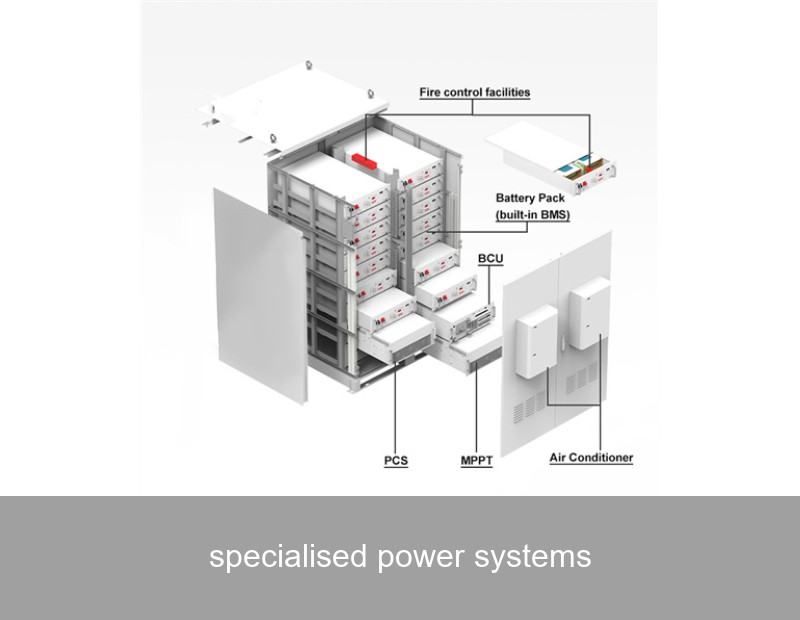
Have you ever wondered what keeps a hospital running during a blackout, ensures a factory's production line never stops, or allows a remote community to thrive independently from the main grid? The answer lies beyond simple backup generators. It's found in specialised power systems—intelligent, integrated energy solutions designed for mission-critical reliability, efficiency, and sustainability. As our world grapples with climate change and energy volatility, these systems are evolving from niche applications to essential infrastructure. This article explores why specialised power systems are no longer a luxury but a necessity, and how they are shaping a more resilient energy future for businesses and communities.
Table of Contents
The Phenomenon: Beyond Simple Backup Power
Traditional backup power, often a diesel generator, addresses one issue: a grid outage. But today's energy challenges are multifaceted. We face not just outages, but also:
- Price Volatility: Wildly fluctuating energy costs impacting operational budgets.
- Grid Instability: An ageing grid struggling with renewable integration, leading to frequency dips or surges.
- Sustainability Mandates: Corporate and regulatory pressure to reduce carbon footprints.
- Dynamic Loads: Modern facilities, especially data centres and industrial plants, have highly sensitive equipment that demands pristine power quality.
A specialised power system is the holistic answer. It's a custom-engineered ecosystem that may combine solar PV, advanced battery energy storage systems (BESS), sophisticated power conversion, and intelligent energy management software. Its goal isn't just to keep the lights on, but to ensure operational continuity, maximise financial return on energy assets, and future-proof a site's energy strategy.

Image Source: Unsplash - Representative image of modern industrial energy infrastructure.
The Data: Quantifying the Need for Specialisation
The business case for these systems is compelling. Let's look at the numbers:
| Challenge | Relevant Data Point | Impact |
|---|---|---|
| Power Interruptions | In the U.S., the average cost of a single hour of downtime for a data centre is over $300,000 (Source: Vertiv). | Financial loss, reputational damage, data corruption. |
| Energy Price Spikes | European day-ahead electricity prices have experienced periods of over 400% year-on-year increase in recent years. | Unpredictable OPEX, eroded profit margins. |
| Renewable Integration | Grid operators need millisecond-level response to balance supply and demand as intermittent solar and wind penetration exceeds 30-40%. | Grid instability risks, curtailment of clean energy. |
This data paints a clear picture: generic solutions fall short. Specialisation is key to mitigating these specific, high-stakes risks.
Case Study: A German Manufacturing Plant's Transformation
Consider "MusterFabrik GmbH," a mid-sized automotive parts manufacturer in Bavaria. Their challenges were classic: high energy costs, a desire to meet corporate sustainability targets, and concerns about grid reliability affecting just-in-time production.
They implemented a specialised power system with the following core components:
- A 2 MW rooftop solar PV array.
- A 1.5 MW / 3 MWh containerised lithium-ion battery energy storage system.
- An advanced power conversion and control system capable of islanding (disconnecting from the grid).
- AI-driven energy management software (EMS).
- Cost Savings: 40% reduction in energy costs from the grid through solar self-consumption optimization and peak shaving (using the battery during high-price periods).
- Resilience: The system provided seamless backup power during two grid disturbances, preventing an estimated €200,000 in production line stoppages.
- Sustainability: Achieved 65% on-site renewable energy usage, significantly advancing their carbon neutrality roadmap.
- Grid Services: The EMS allows the plant to participate in the German primary control reserve market, generating new revenue by selling the battery's rapid response capability back to the grid.
This case exemplifies how a specialised, integrated system turns energy from a pure cost centre into a strategic, value-generating asset.
Key Components of a Modern Specialised Power System
Understanding the anatomy of these systems is crucial. They are built on four intelligent pillars:
- Generation & Source Integration: This often includes on-site renewables like solar, but also integrates the main grid and potentially combined heat and power (CHP) units. The intelligence lies in how these sources are blended.
- Advanced Energy Storage: The heart of modern systems. Lithium-ion batteries, like those in Highjoule's NEXUS BESS series, provide the critical buffer. They store cheap or clean energy for later use, deliver instant power during outages, and stabilize grid frequency. Highjoule's systems are renowned for their high-cycle life and integrated safety management, making them ideal for demanding industrial applications.
- Power Conversion & Control: Bi-directional inverters are the workhorses, converting DC from solar and batteries to AC for the facility, and vice-versa. More importantly, the control system acts as the "brain," making split-second decisions on energy flow.
- Intelligent Energy Management Software (EMS): This is the strategic layer. A platform like Highjoule's AegisOS™ uses weather forecasts, electricity price signals, and load patterns to autonomously optimize the entire system for cost, carbon, or reliability—often all three simultaneously.

Image Source: Unsplash - Representative image of an energy management system interface.
How Highjoule Engineers Resilience for Diverse Needs
As a global leader with nearly two decades of experience, Highjoule doesn't just supply components; we engineer tailored resilient power solutions. Our expertise lies in understanding the unique load profile, risk tolerance, and goals of each client—be it a hospital, a data centre, a factory, or an entire microgrid for a remote community.
For a commercial building, our SOLARMAX Integrated solution might combine PV and a compact BESS to maximize self-consumption and provide UPS-level backup for critical offices. For a large industrial client, we might deploy multiple NEXUS Mega containerised BESS units, integrated with existing on-site generation and managed by AegisOS™ to create a robust, islandable microgrid. Our services encompass everything from initial feasibility studies and system design to commissioning, remote monitoring, and long-term performance maintenance.
Specialisation means we consider factors like harmonic distortion for sensitive lab equipment, the thermal management of batteries in harsh environments, and cybersecurity for the EMS network. This depth of engineering is what separates a true specialised power system from a simple assembly of parts.
The Future is Integrated and Intelligent
The trajectory is clear. The convergence of renewable energy, digitalization, and advanced storage is making intelligent, specialised power systems the new standard for critical infrastructure. They are becoming the essential nervous system for any operation where power reliability is synonymous with business continuity and financial health.
As you look at your own facility's energy profile, what single point of failure in your current power setup keeps you up at night? Is it the potential cost of downtime, the unpredictability of your next energy bill, or the gap in your sustainability commitments? Perhaps it's time to explore how a system designed not just for backup, but for strategic advantage, could transform your energy equation.
 Inquiry
 Online Chat