


From Grid Dependency to Power Sovereignty: The Rise of the Solo Energy Supplier
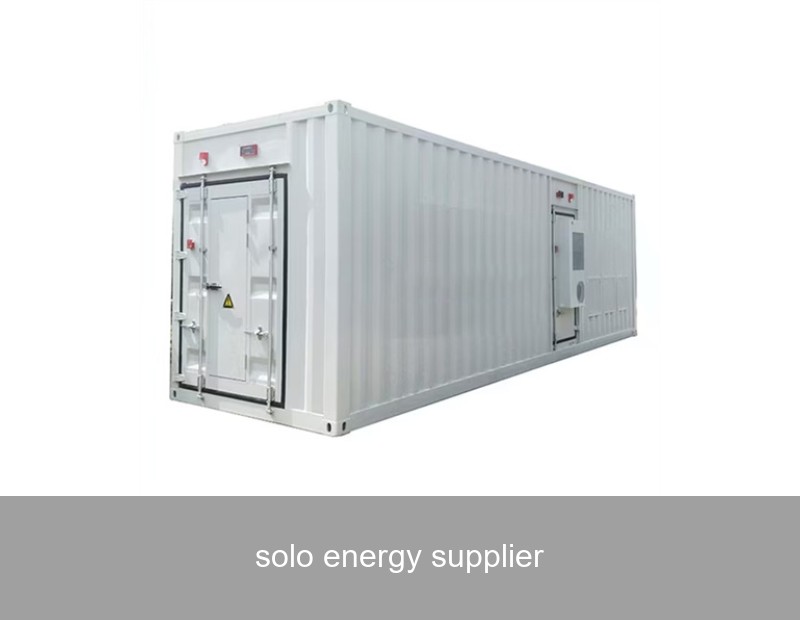
Imagine a world where your monthly energy bill is predictable, significantly lower, and a severe storm doesn't plunge your home or business into darkness. This isn't a distant utopia; it's the reality being forged by a growing movement of solo energy suppliers. But what exactly does this term mean? A solo energy supplier is an individual homeowner, business, or community that generates, stores, and manages a substantial portion of its own electricity. By leveraging technologies like solar panels and advanced battery storage, they dramatically reduce their dependence on the traditional utility grid, gaining control, resilience, and financial predictability. It’s about taking charge of your power, literally.
The Grid Reliance Phenomenon: Why We Feel the Pinch
For over a century, our relationship with electricity has been largely passive. We flip a switch, and power flows from a distant power plant through a vast, complex grid. We pay the bill, often wincing at the total, and hope the lights stay on. This centralized model served us well, but today, it's showing its age. Think about the last time you heard about a "grid upgrade" cost or a "peak demand surcharge." These aren't abstract concepts; they're symptoms of a system under strain from aging infrastructure, volatile fossil fuel markets, and increasing climate-related disruptions.
This passive consumption leaves us vulnerable. When the grid fails, we fail. When prices spike, our budgets suffer. The phenomenon is clear: total reliance on a monolithic grid system is becoming a growing liability for both our wallets and our security.
The Data: Rising Costs and Unreliable Connections
Let's look at the numbers. In the United States, the U.S. Energy Information Administration (EIA) reports that average electricity prices for residential customers have increased steadily over the past decade. In Europe, the energy crisis precipitated by geopolitical events led to unprecedented price surges, with some countries experiencing increases of over 50% year-over-year.
Beyond cost, reliability is a key data point. The U.S. Department of Energy notes that weather-related outages are increasing in frequency and duration. For a business, even a few hours of downtime can mean tens of thousands in lost revenue and spoiled inventory. For a family, it can mean discomfort, safety concerns, and disruption.
| Challenge of Grid Dependency | Advantage of a Solo Energy System |
|---|---|
| Volatile, unpredictable energy prices | Predictable, low-cost energy from the sun |
| Vulnerability to widespread outages | Localized backup power and resilience |
| Carbon-intensive energy mix | Clean, renewable power generation |
| Passive consumer role | Active control and management of energy assets |
Case Study: A Berlin Bakery's Recipe for Resilience
Let's make this concrete with a real-world example. "Brot & Kraft," a mid-sized artisanal bakery in Berlin, faced a critical problem. Their delicate fermentation processes and refrigeration units required a constant, stable power supply. A four-hour outage could ruin a day's production and €8,000 worth of ingredients. Furthermore, rising Strompreise (electricity prices) were eating into their thin margins.
In 2022, they decided to become a true solo energy supplier. Their solution involved a 120 kW rooftop solar array paired with a 240 kWh commercial battery storage system. The results, monitored over one year, were transformative:
- Energy Independence: They now generate and use 75% of their annual electricity on-site.
- Financial Savings: They reduced their grid electricity purchases by 70%, saving over €18,000 annually.
- Ultimate Backup: During two grid failures, their battery system seamlessly powered critical cooling and proofing equipment, preventing an estimated €15,000 in potential losses.
- Sustainability Credential: They market their "sun-baked" goods, attracting eco-conscious customers.

Image: Commercial solar installation on an urban building. (Source: Unsplash, Representative Image)
Brot & Kraft is no longer just a bakery; it's a modern, resilient energy producer that happens to bake incredible bread.
The Path to Becoming Your Own Supplier: It's a System, Not Just Panels
The bakery's story highlights a crucial insight: becoming a solo energy supplier isn't just about installing solar panels. It's about integrating three key components into a smart, synergistic system:
- Generation (Solar PV): Your personal power plant, converting sunlight into electricity.
- Storage (Battery System): The heart of independence. This stores excess solar energy for use at night, during peak price times, or when the grid is down.
- Energy Management (Intelligence): The brain. This software platform optimizes when to draw from solar, battery, or the grid to maximize savings and resilience.
Without storage, you're still reliant on the grid after sunset. Without smart management, you're not optimizing your investment. The true power lies in the integration.
Highjoule: Your Partner in Energy Independence
This is where Highjoule's expertise becomes pivotal. Since 2005, we've moved beyond simply providing batteries to delivering complete, intelligent energy sovereignty solutions. We understand that the journey to becoming a solo energy supplier requires a partner who can handle the entire technological ecosystem.
For homes, our HomePower Stack is a seamlessly integrated AC-coupled system. It combines our high-density, long-life lithium iron phosphate (LFP) batteries with an intuitive energy manager. Homeowners can monitor and control their energy flow via a simple app, deciding whether to save solar power for backup, use it to charge their EV overnight, or sell it back to the grid when rates are favorable.
For businesses and industrial applications, our Industrial Energy Platform (IEP) is a modular, scalable powerhouse. Think of it like building blocks for energy independence. You can start with a 100 kWh system to shave peak demand charges and expand to multi-megawatt-hour configurations for full microgrid capabilities. The IEP's advanced management software can be programmed for complex strategies, like "peak shaving" to avoid utility demand charges, which are often the most significant line item on a commercial bill.

Image: Engineer inspecting a modular industrial battery storage system. (Source: Unsplash, Representative Image)
The Future is Modular and Intelligent
The trend is unmistakable. The future of energy is decentralized, digital, and democratized. The rise of electric vehicles, smart appliances, and dynamic electricity tariffs makes an intelligent home or business energy system not just an option, but a strategic asset. The technology has matured, and the economic case, as seen in our Berlin bakery, is stronger than ever.
So, what's the first step in your journey to becoming a solo energy supplier? Is it understanding your current consumption patterns, evaluating your roof's solar potential, or identifying which business processes are most critical to protect from an outage?
 Inquiry
 Online Chat