


Solar System Implementation: Your Blueprint for Energy Independence
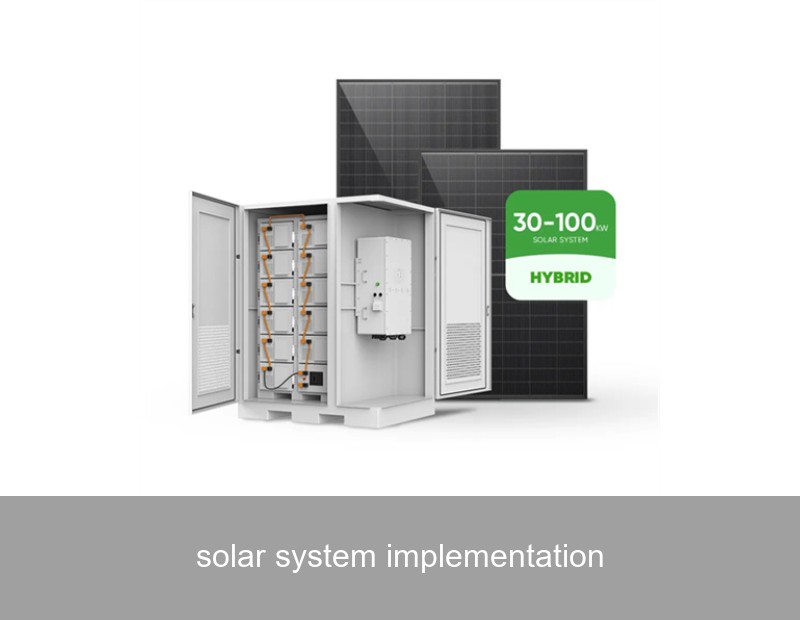
So, you've decided to explore solar power. It's a brilliant move. But between seeing your neighbor's shiny panels and flipping the switch on your own clean energy, there's a crucial phase: solar system implementation. This isn't just about mounting hardware on a roof; it's a meticulous process of engineering, planning, and integration that determines whether your system is a mediocre investment or a powerhouse of savings and resilience. For over 18 years, Highjoule has mastered this art, transforming complex energy concepts into reliable, intelligent power solutions for homes and businesses across the globe.
Table of Contents
- The Phenomenon: From Spark to Standard
- The Data: Why Implementation is Everything
- The Implementation Blueprint: A Step-by-Step Guide
- A Real-World Case: The German Bakery
- Beyond the Inverter: The Future is Integrated Storage
- Your Solar Implementation Journey
The Phenomenon: From Spark to Standard
A decade ago, solar was a niche statement. Today, it's a mainstream economic and environmental imperative. In the U.S., solar accounted for 53% of all new electricity-generating capacity added in 2023 (SEIA). In Europe, the push for energy sovereignty post-2022 has supercharged adoption. But this rapid growth has exposed a critical gap: the chasm between a sales quote and a high-performing, long-lasting asset. Poor solar system implementation—from incorrect sizing and shading analysis to subpar electrical work—can slash expected energy yields by 20% or more. It's the difference between a system that just works and one that works *optimally* for decades.
The Data: Why Implementation is Everything
Let's talk numbers. The National Renewable Energy Laboratory (NREL) highlights that system design and installation quality are among the top factors affecting long-term performance. Consider this breakdown:
| Implementation Factor | Potential Impact on Output |
|---|---|
| Incorrect Panel Angle & Orientation | Up to 15% loss |
| Poorly Managed Shading | Up to 25% loss (string inverter systems) |
| Undersized or Low-Efficiency Inverters | Up to 10% clipping loss |
| Inadequate Wiring & Voltage Drop | System inefficiencies and safety risks |
These aren't just percentage points; they're dollars on your utility bill and years added to your payback period. This is where a provider's expertise becomes non-negotiable. At Highjoule, our implementation philosophy is rooted in precision. We begin with hyper-accurate 3D site modeling using drone technology, simulating every sun path across seasons to model panel-level production. Our solar system implementation process is built on this data-driven foundation, ensuring your physical system matches its theoretical potential.

Image: Precision site assessment using drone technology is crucial for modern solar implementation. Source: Unsplash
The Implementation Blueprint: A Step-by-Step Guide
What does a flawless solar system implementation look like? It's a symphony of stages, each critical to the next.
- Stage 1: Advanced Consultation & Energy Audit. We don't just look at your roof; we analyze 12 months of your energy consumption to understand your unique load profile. This tells us not just how many panels you need, but *when* you use power—a key insight for later adding storage.
- Stage 2: Custom Engineering Design. Using the data from Stage 1, our engineers design a system tailored for your property's micro-climate. We specify not only panel count but panel technology (e.g., N-type vs. P-type), inverter type (central, string, or micro), and optimal string configuration.
- Stage 3: Seamless Permitting & Logistics. We navigate the maze of local building codes, utility interconnection agreements, and incentive paperwork (like the U.S. ITC or European subsidies). This bureaucratic hurdle is where many DIY or low-cost providers stumble, causing months of delays.
- Stage 4: Precision Installation. Our certified technicians execute the plan with military-grade precision. This includes weatherproof racking, flawless electrical work, and meticulous cable management for both aesthetics and longevity.
- Stage 5: Commissioning & Empowerment. We don't just turn it on and leave. We commission the system, sync it with your monitoring platform (like the Highjoule Energy Hub), and walk you through reading your production data, understanding savings, and managing your new power plant.
This end-to-end ownership is the hallmark of Highjoule's service. We are your single point of accountability from the first site visit to the 25th year of operation.
A Real-World Case: The German Bakery
Let's ground this in reality. Consider a medium-sized artisanal bakery in Bavaria, Germany. Their challenge: high, volatile electricity costs (over €0.32/kWh) and a need for consistent refrigeration. A standard solar quote offered a 40kW system. Our analysis, however, revealed their critical load was in the early morning (before solar production) and late afternoon (as production fell). A simple PV system would only cover 60% of their usage and leave them vulnerable to evening grid prices.
Our solar system implementation solution integrated two key elements:
- A 45kW solar array, slightly oversized based on our production modeling.
- A Highjoule H-Cube 30 commercial battery storage system (30 kWh capacity).
The implementation was phased to minimize disruption. The solar array was installed first, followed by the sleek, cabinet-style H-Cube unit in their back-of-house area. The system was programmed for intelligent self-consumption: solar powers daytime operations and charges the battery; the battery then discharges during the high-price evening peak, powering refrigeration and lighting.
The Result? The bakery now generates 85% of its own electricity annually. Their grid dependence during peak price windows dropped by 95%. The projected payback period, with available German subsidies (BEG), is under 7 years. The owner, Frau Schneider, told us: "It's not just about the savings. I now have a guaranteed backup for my cold rooms. My business is resilient." This is the power of implementation that thinks beyond the panels.

Image: A modern battery storage system, like the Highjoule H-Cube, integrates seamlessly with solar. Source: Unsplash
Beyond the Inverter: The Future is Integrated Storage
The most forward-thinking solar system implementation today is inherently "storage-ready." Why? Because solar alone maximizes production, but solar-plus-storage maximizes *value* and *control*. It turns your system from a one-trick generator into a 24/7 energy asset. You can store excess daytime energy for use at night, avoid drawing power during costly peak utility rates, and, crucially, keep the lights on during grid outages.
Highjoule's Residential Energy Vault and commercial H-Cube series are designed from the chip up to integrate with solar. Our proprietary energy management system (EMS) acts as the brain, making millisecond decisions on whether to consume, store, or sell back energy based on weather forecasts, your usage patterns, and real-time grid signals. This isn't an add-on; it's a core part of our design philosophy. Implementing solar with Highjoule means you're not just buying hardware; you're investing in an adaptable, future-proof energy ecosystem.
Your Solar Implementation Journey
Starting this journey can feel daunting. The market is flooded with options. Our advice? Focus on the implementer, not just the equipment. Ask potential providers:
- Can you show me detailed production modeling for my specific address?
- What is your process for managing shading over the system's lifetime?
- How do you design for the future addition of storage?
- Can you provide references from projects with similar energy profiles to mine?
The right partner will have clear, confident answers and a portfolio of successful, long-running installations to back them up.
What is the first question you would ask a solar provider to truly test their solar system implementation expertise?
 Inquiry
 Online Chat