


Solar PV Utility for Sale: A Strategic Guide for Energy Investors and Developers

Table of Contents
- The New Energy Landscape: Why Utility-Scale Solar is Booming
- What to Look for in a Solar PV Utility for Sale
- Case Study: A 50MW German Solar Farm's Turnaround
- Beyond Generation: The Critical Role of Advanced Storage
- How Highjoule's Solutions Maximize Asset Value
- Due Diligence Checklist for Acquiring a Solar PV Asset
- The Future Outlook for Utility-Scale Solar Investments
If you're exploring the market for a solar PV utility for sale, you're positioned at the forefront of the global energy transition. Whether you're an investment fund, an independent power producer (IPP), or a community energy group, acquiring an existing utility-scale solar asset is a significant move. It's not just about buying megawatts; it's about acquiring a stream of future revenue, a tangible piece of infrastructure, and a role in shaping a cleaner grid. But in a rapidly evolving market, how do you ensure your investment is resilient, profitable, and future-proof? This guide will walk you through the key considerations, backed by data and real-world insights.
The New Energy Landscape: Why Utility-Scale Solar is Booming
The appetite for large-scale solar is insatiable. In the United States, the Solar Energy Industries Association (SEIA) projects that utility-scale solar will account for 77% of all new solar capacity installed from 2023-2027 (SEIA, 2023). In Europe, driven by the REPowerEU plan and energy security concerns, solar PV generation surged by a record 26% in 2023 according to Ember's European Electricity Review (Ember, 2024). This growth isn't just policy-driven; it's fundamentally economic. Levelized Cost of Energy (LCOE) for solar continues to fall, often making it the cheapest source of new-build electricity.
But here's the nuance: the market is maturing. The early "build it and they will come" phase is giving way to a more sophisticated model. Investors are now looking at assets that can do more than just generate power during sunny hours. They're looking for grid-supportive, resilient, and intelligent power plants. This shift is precisely where the true opportunity—and risk—lies when evaluating a solar PV utility for sale.
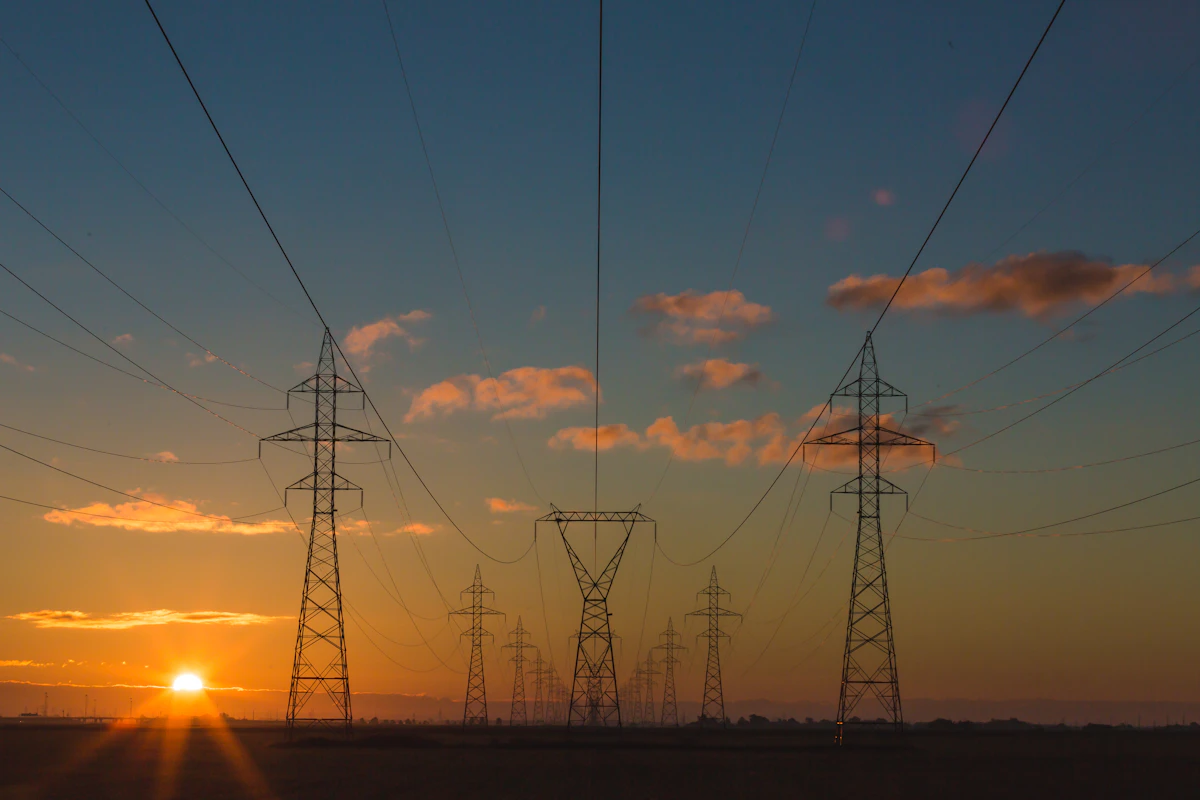
Utility-scale solar farms are major infrastructure investments. (Photo by American Public Power Association on Unsplash)
What to Look for in a Solar PV Utility for Sale
Evaluating a potential acquisition goes far beyond the sticker price per megawatt. You need to conduct a holistic health check of the asset. Key technical and commercial factors include:
- Technology & Performance: Panel degradation rates, inverter reliability, and system availability. Historical performance data (PR - Performance Ratio) is gold.
- Grid Connection & Curtailment Risk: The strength of the grid connection point and historical curtailment figures. In congested grids, a solar farm without a storage or flexibility plan can see significant revenue loss.
- Off-Take Agreements: The length and structure of Power Purchase Agreements (PPAs). Are they fixed-price, merchant, or hybrid? What's the counterparty credit risk?
- O&M Contracts: The quality and terms of the existing Operations and Maintenance provider. Are performance guarantees in place?
- Land Rights & Permitting: Security of land lease or ownership, and the status of all environmental and operational permits.
Case Study: A 50MW German Solar Farm's Turnaround
Consider a real example from Highjoule's portfolio in Germany. A financial institution acquired a 50MW solar farm in Brandenburg in 2021. The asset was underperforming its P50 production estimates by 8%, and grid congestion was leading to an average of 5% annual curtailment. The new owner faced a classic dilemma: accept diminished returns or invest in an upgrade.
Their solution was a strategic retrofit. They partnered with Highjoule to integrate a 12MWh battery energy storage system (BESS) directly into the plant's substation. This Highjoule H4.BESS unit was configured for multiple value streams:
| Strategy | Outcome |
|---|---|
| Curtailment Capture | Store excess solar during grid warnings, dispatch later. |
| Frequency Regulation | Provide primary control reserve (PCR) to the grid operator. |
| Energy Arbitrage | Charge at midday low prices, discharge at evening peak. |
Within 18 months, the asset's revenue increased by 22%, effectively turning a underperforming solar-only asset into a premium, grid-supportive hybrid plant. The payback period for the BESS addition was under 5 years. This case highlights that the value in a solar PV utility for sale can often be unlocked post-acquisition through smart technology integration.
Beyond Generation: The Critical Role of Advanced Storage
As the German case shows, the conversation is shifting from "solar farms" to "solar-plus-storage power plants." Why? Because the grid's need has evolved. System operators in markets like CAISO (California), ERCOT (Texas), and across Europe are increasingly valuing dispatchability and ancillary services.
A standalone solar PV asset is a weather-dependent, intermittent generator. A solar-plus-storage asset is a flexible, predictable, and resilient power source. It can:
- Firm the solar output, delivering a more consistent power profile.
- Mitigate curtailment by storing excess energy.
- Participate in lucrative grid service markets (frequency response, voltage support).
- Provide backup power during grid outages, enhancing community resilience.
When you assess a solar PV utility for sale, one of your first questions should be: "Is this site suitable for co-located storage?" The land, grid connection capacity, and local market rules will determine the answer.
How Highjoule's Solutions Maximize Asset Value
This is where Highjoule's expertise becomes a direct value driver for asset owners and acquirers. Founded in 2005, Highjoule is a global leader in advanced energy storage systems. We don't just sell battery containers; we provide intelligent, integrated solutions that transform solar assets into sophisticated grid assets.
For investors considering a solar PV utility for sale, Highjoule offers a clear path to de-risking and enhancing your investment:
- Pre-Acquisition Advisory: Our technical teams can assist in due diligence, modeling storage potential and identifying performance improvement opportunities for a target asset.
- Highjoule H-Series BESS: Our flagship product line, like the H4.BESS used in Germany, is engineered for utility-scale applications. It features industry-leading safety (with integrated gas detection and suppression), high cycle life, and an intelligent energy management system (EMS).
- AI-Powered Energy Management Software: The real brain of the operation. Our platform, Highjoule Apex EMS, continuously analyzes market prices, grid signals, and weather forecasts to optimize the solar-storage plant's dispatch for maximum revenue across multiple value streams.
- Long-Term Service Agreements: We offer comprehensive service packages to ensure system performance, longevity, and peace of mind over the entire asset lifecycle.

Advanced BESS systems are key to modern hybrid power plants. (Photo by Michael Fousert on Unsplash)
Due Diligence Checklist for Acquiring a Solar PV Asset
To bring it all together, here is a focused checklist that incorporates the modern "solar-plus" mindset:
- Financial & Commercial: Review all PPA terms, historical revenue, and operating expenses. Model merchant price risk exposure.
- Technical Performance: Audit 3+ years of SCADA data. Assess panel/inverter health and O&M provider performance.
- Grid & Market Analysis: Understand local congestion, curtailment history, and eligibility for ancillary service markets. Get preliminary feasibility for storage interconnection.
- Storage Readiness: Evaluate space for BESS, transformer capacity, and potential for DC-coupling vs AC-coupling.
- Regulatory Future: Research upcoming grid codes and market rules that may favor or penalize standalone renewables.
The Future Outlook for Utility-Scale Solar Investments
The market for solar PV utility for sale will continue to be active, but the definition of a "premium" asset is changing. The most sought-after projects will be those with inherent flexibility—either already equipped with storage or with a clear, permitted path to add it. They will be seen not just as generators, but as essential grid-balancing tools.
Investors who understand this shift and have partners who can execute the technical integration will command a significant advantage. They will be able to acquire assets at a fair price for their "solar-only" cash flow and then systematically unlock the hidden "storage and flexibility" value, creating a competitive moat and superior long-term returns.
As you evaluate your next potential acquisition, what single upgrade—be it storage, advanced analytics, or inverter modernization—could have the greatest multiplier effect on that asset's lifetime value and grid relevance?
 Inquiry
 Online Chat