


Solar Powered Electricity Supply Systems: The Smart Path to Energy Independence
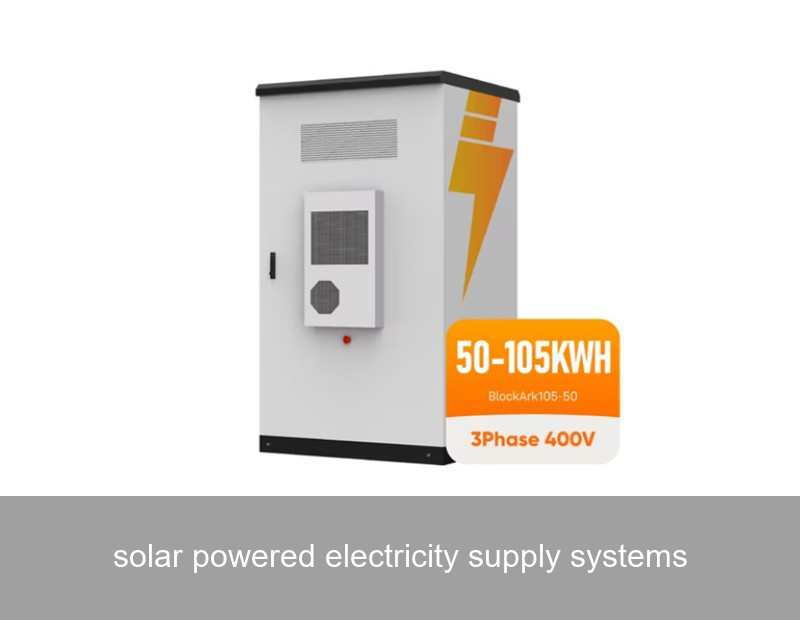
Have you ever looked at your rising electricity bill and wondered if there's a better way? Or felt a pang of concern about grid reliability during a storm? You're not alone. Across homes and businesses in Europe and the US, a quiet revolution is underway, moving power generation from distant plants to our very rooftops. This is the era of advanced solar powered electricity supply systems—intelligent, integrated solutions that do more than just generate power. They store it, manage it, and deliver clean, resilient energy exactly when and where you need it. Let's explore how this technology is reshaping our energy landscape and how you can be a part of it.
Table of Contents
- The Phenomenon: Beyond Simple Solar Panels
- The Data: Why Storage is the Game-Changer
- A Real-World Case: Resilience in California
- The Core Insight: Intelligence is Key
- Highjoule's Role: Engineering Smarter Systems
- The Future is Integrated and Intelligent
The Phenomenon: From Simple Generation to Intelligent Supply
Gone are the days when a solar installation simply meant panels on a roof that only worked when the sun shone. The modern solar powered electricity supply system is a holistic ecosystem. It seamlessly integrates solar generation with sophisticated battery storage and smart energy management software. This evolution addresses the fundamental challenge of solar power: its intermittency. The sun doesn't shine at night, and clouds can roll in anytime. An advanced system doesn't just capture photons; it captures opportunity, storing excess energy for use during peak hours, power outages, or when grid prices are at their highest.
The Data: Why Storage is the Game-Changer
The numbers tell a compelling story. According to the International Energy Agency (IEA), global renewable capacity is set to expand by a staggering 2,400 GW between 2023-2028. Solar PV alone constitutes over half of this expansion. However, the true value multiplier is storage. The US Energy Information Administration notes that pairing solar with storage can increase the value of solar by shifting its output to periods of higher demand and prices. In practical terms, a home with a high-performance solar and storage system can achieve 70-90% grid independence, dramatically reducing bills and providing a reliable backup. For businesses, this shift isn't just about savings; it's about operational continuity and predictable energy costs.

Image Source: Unsplash - A modern integrated solar and storage setup for residential use.
A Real-World Case: Resilience Meets Economics in California
Let's look at a concrete example from Sonoma County, California. A medium-sized winery faced a dual challenge: frequent Public Safety Power Shutoffs (PSPS) to prevent wildfires threatened their critical refrigeration units, and their operational energy costs were volatile.
Their solution was a 250 kW solar array coupled with a 500 kWh lithium-ion battery energy storage system (BESS). The results over one year were telling:
| Metric | Before System | After System |
|---|---|---|
| Grid Energy Consumption | 100% | 35% |
| Peak Demand Charges | Full cost | Reduced by 80% |
| Outage Vulnerability | Full shutdown risk | 48+ hours of critical load backup |
| Estimated Payback Period | N/A | 6.5 years |
This case highlights the multifaceted benefits. The system wasn't just an expense; it became a strategic asset, protecting revenue, cutting costs, and ensuring sustainability goals were met. It's a perfect illustration of a true solar powered electricity supply system at work.
The Core Insight: It's About Intelligence, Not Just Hardware
The winery's success wasn't accidental. The key differentiator in modern systems is the "brain"—the energy management system (EMS). This software intelligently decides when to draw from solar, when to charge or discharge the battery, and when to pull from the grid, all based on weather forecasts, usage patterns, and tariff structures. Think of it as the conductor of your personal energy orchestra, ensuring every component plays in harmony for maximum efficiency and savings. Without this intelligence, you have separate pieces of equipment. With it, you have a cohesive, adaptive solar powered electricity supply system.
Highjoule's Role: Engineering Smarter, More Resilient Systems
This is where Highjoule's nearly two decades of expertise becomes critical. Since 2005, we've moved beyond being just a component supplier to become a provider of integrated, intelligent power solutions. We understand that a successful installation depends on perfect synergy between all parts.
For residential clients, our HelioHome+ series is a prime example. It combines high-efficiency bifacial solar panels with our compact, high-density QuantumCore lithium iron phosphate (LiFePO4) batteries and the intuitive Highjoule Nexus energy manager. The Nexus platform allows homeowners to monitor, control, and optimize their energy flow via a smartphone app, setting preferences for backup priority, cost savings, or maximizing green energy use.
For commercial and industrial (C&I) applications, like the winery, our GridMax Pro solutions are engineered for scale and complexity. These modular battery storage systems can be configured from 100 kWh to multi-MWh scales and are integrated with advanced dispatch software. This allows businesses to participate in demand response programs, perform peak shaving, and build resilient microgrids. Our systems are designed to meet the rigorous standards and grid interconnection requirements of both European and US markets.
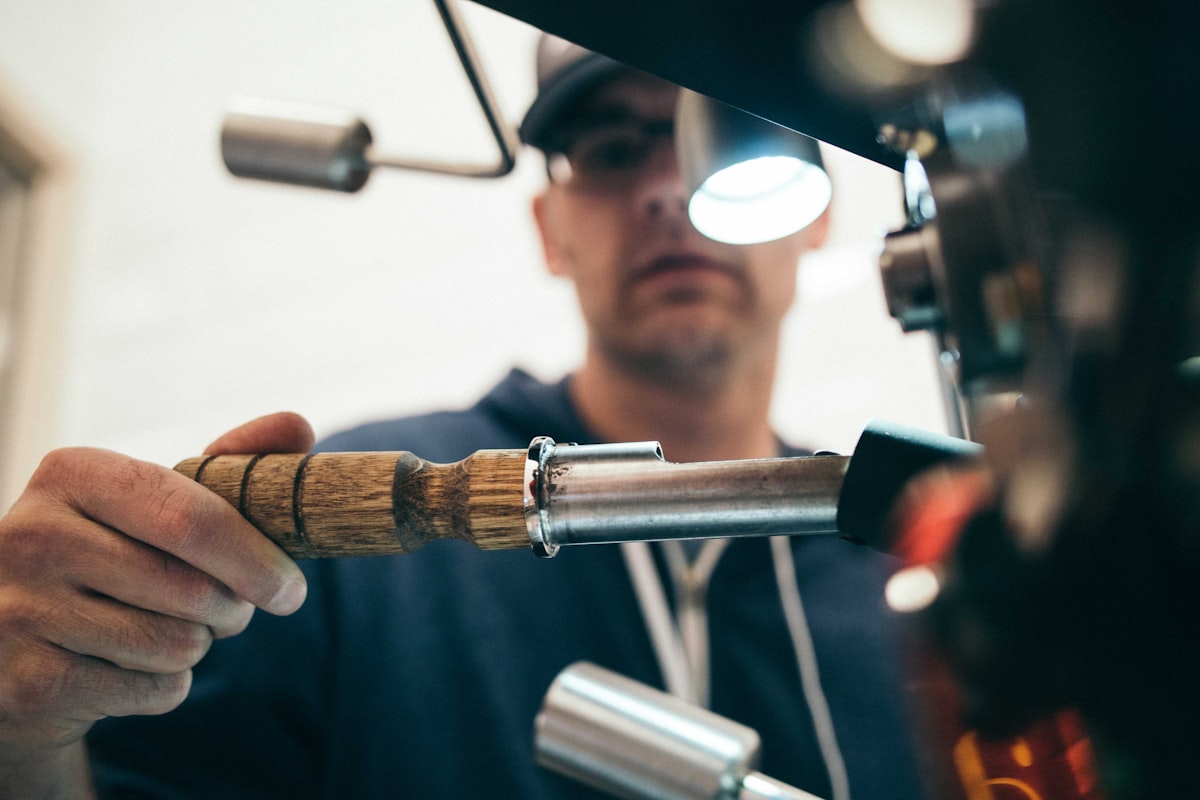
Image Source: Unsplash - An engineer inspecting a commercial battery storage system.
Deconstructing the System: Key Components That Work Together
To truly appreciate the sophistication, let's break down the essential layers of a modern system:
- Solar PV Array: The primary generator. Modern panels are far more efficient, with PERC or heterojunction cells capturing more light, even in suboptimal conditions.
- Smart Inverter(s): The crucial link. They convert DC from panels/batteries to AC for your home. More importantly, advanced hybrid inverters manage the flow between all sources and loads, ensuring stability and safety.
- Battery Storage: The heart of resilience. Lithium-ion, particularly LiFePO4 chemistry favored by Highjoule for its safety and long cycle life, is the standard. Capacity is sized based on your load and desired backup duration.
- Energy Management System (EMS): The brain. This software platform uses algorithms and sometimes AI to optimize for your goals (e.g., lowest cost, lowest carbon). It's what transforms hardware into an intelligent solar powered electricity supply system.
- System Monitoring: Your window into performance. Real-time dashboards show energy production, consumption, storage levels, and savings, often accessible from anywhere.
Choosing the Right System: Questions to Consider
Embarking on this journey requires some reflection. What is your primary driver? Is it energy independence during outages, maximizing financial return through arbitrage and incentives, or meeting corporate sustainability targets? Your goal will dictate the system's design, size, and intelligence features. For instance, a homeowner in Texas might prioritize backup for air conditioning during grid stress, while a German factory might focus on peak shaving to avoid high network fees.
The Future is Integrated, Intelligent, and Interactive
The trajectory is clear. The future of energy is decentralized, digital, and dynamic. We're moving towards energy ecosystems where homes, businesses, and electric vehicles (EVs) aren't just consumers but active participants in the grid. Vehicle-to-Grid (V2G) technology will allow your EV to power your home or feed energy back during peaks. Virtual Power Plants (VPPs), aggregating thousands of distributed systems, will provide grid stability services. Your solar powered electricity supply system will be a node in this intelligent network, creating value for you and the community.
At Highjoule, we're already engineering for this future. Our systems are built with interoperability in mind, ready to connect with EV chargers and respond to grid signals, all while keeping you, the owner, in full control of your energy destiny.

Image Source: Unsplash - Conceptual image of a smart, integrated home energy system.
So, as you contemplate your next step towards energy resilience, we leave you with this question: What would you power first if the grid went down, and how much is the assurance of uninterrupted power worth to you, your family, or your business?
 Inquiry
 Online Chat