


Understanding Solar Panels in Zimbabwe Prices: Your Path to Energy Independence
If you're in Zimbabwe and researching "solar panels in Zimbabwe prices," you're already looking beyond the initial cost. You're seeking a reliable solution to load-shedding, rising electricity tariffs, and the desire for true energy self-sufficiency. While the price per watt of a solar panel is a crucial starting point, the real story—and the real value—lies in building a complete, resilient power system. This article will demystify the costs, highlight the critical role of battery storage, and showcase how modern technology is making solar a smarter, more accessible investment than ever for homes and businesses across Zimbabwe.
The Zimbabwe Solar Phenomenon: More Than Just a Price Tag
The surge in solar interest across Zimbabwe is a direct response to a clear challenge: the need for consistent, affordable power. It's a classic case of innovation meeting necessity. While global solar panel prices have fallen dramatically over the past decade, the local market price in Zimbabwe is influenced by factors like import duties, logistics, and currency fluctuations. However, focusing solely on the panel price is like buying a car based only on the tire cost. The complete system—panels, inverter, and most importantly, the battery storage—determines your long-term satisfaction and return on investment.
Breaking Down Solar Panel Prices in Zimbabwe: A Realistic Look
Let's get practical. As of 2024, prices for solar panels in Zimbabwe can range, but you can expect a general framework. It's essential to think in terms of system size and total project cost.
| System Type | Typical Capacity | Key Components | Primary Goal | Approximate Price Range (USD)* |
|---|---|---|---|---|
| Basic Solar Setup | 3kW - 5kW | Panels, Basic Inverter | Daytime load reduction, no backup | $3,000 - $6,000 |
| Hybrid Solar System (Recommended) | 5kW - 10kW | Panels, Hybrid Inverter, Battery Storage | 24/7 power, full backup, bill savings | $8,000 - $20,000+ |
| Commercial/Industrial System | 20kW - 100kW+ | Panels, Commercial Inverters, Large Battery Bank | Business continuity, operational cost reduction | $25,000 - $100,000+ |
*Note: Prices are indicative and vary based on component quality, brand, installation complexity, and exchange rates. A detailed quote from a certified installer is essential.
The "Hybrid Solar System" is where the magic happens for most Zimbabwean households and SMEs. It includes battery storage, allowing you to use solar energy at night, making you truly independent from the grid during outages.
The True Game-Changer: It's Not Just Panels, It's Storage
This is the core insight many miss. Solar panels only generate power when the sun shines. Without storage, you're still vulnerable every evening. The heart of a reliable off-grid or backup system is the Battery Energy Storage System (BESS). The technology here has evolved rapidly. While lead-acid batteries were once the standard, Lithium Iron Phosphate (LiFePO4) batteries are now the preferred choice for their longer lifespan (often 10+ years), deeper discharge capability, faster charging, and minimal maintenance.
This is where expertise matters. A high-quality BESS isn't just a battery box; it's an intelligent energy manager. It decides when to store solar energy, when to power your home, and when to draw from the grid if available, all while protecting your battery's health for the long run.

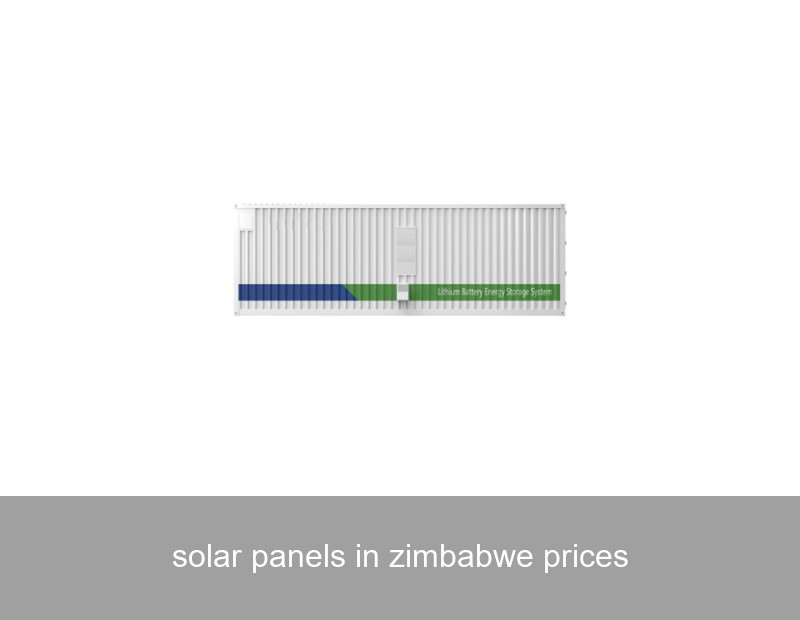
Image: Modern LiFePO4 battery systems, like those from Highjoule, are compact, safe, and designed for seamless home integration.
A Case Study: Powering a Harare Business Through the Night
Consider the real-world example of a mid-sized poultry farm on the outskirts of Harare. Facing 8-10 hours of daily load-shedding, their refrigeration, lighting, and operational systems were at constant risk. In 2022, they installed a 25kW solar array coupled with a 40kWh Highjoule H2 Series lithium battery storage system.
- Challenge: Maintain uninterrupted cooling and operations to prevent spoilage and ensure animal welfare.
- Solution: A custom-designed hybrid system with smart energy management.
- Result: The farm achieved 95% grid independence. They now run entirely on solar during the day, charging the battery bank, and switch seamlessly to battery power at night and during outages. Their diesel generator usage dropped by 90%, and they project a full return on investment in under 5 years based on saved fuel costs and prevented losses. The system's monitoring platform allows them to track energy production and consumption in real-time, optimizing every kilowatt-hour.
Engineered for Resilience: Highjoule's Smart Storage Solutions
At Highjoule, with nearly two decades of experience as a global energy storage provider, we understand that a solution for Zimbabwe must be robust, intelligent, and adaptable. Our products are engineered for markets that demand reliability above all.
For residential and small commercial applications in Zimbabwe, our H1 Series modular battery systems are an ideal fit. They are built with LiFePO4 cells for safety and longevity and can be easily expanded as your energy needs grow. Paired with compatible hybrid inverters, they create a "plug-and-play" power center for your home.
For larger commercial, industrial, or agricultural needs—like the poultry farm case study—the H2 Series Containerized BESS offers a turnkey solution. These pre-assembled units can scale to megawatt-hours of storage, providing not just backup, but also services like peak shaving (reducing demand charges) and stabilizing local mini-grids. Our systems come with the Highjoule Energy Management Platform (HEMP), an AI-driven software that optimizes your energy flow, maximizes self-consumption of solar power, and provides detailed analytics—all accessible from your smartphone.
Choosing Highjoule means investing in a system designed for a 15-20 year lifespan, backed by global engineering expertise and a commitment to sustainable power.
Navigating Your Solar Journey in Zimbabwe: Key Considerations
Before you get fixated on "solar panels in Zimbabwe prices," ask yourself and your installer these broader questions:
- Energy Audit: What is your actual daily energy consumption (in kWh)? An installer should start here.
- Storage Priority: How many hours of backup do you need for essential loads (lights, fridge, router, etc.)?
- Quality over Price: Does the quote use tier-1 solar panels and certified, brand-name batteries and inverters? Check warranty terms (10+ years for panels, 10-year/6000-cycle warranties for premium lithium batteries are now standard).
- Smart Capabilities: Can the system be monitored and managed remotely? Does it allow for future expansion?
- Installation Partner: Is the installer certified and experienced with hybrid/battery systems? Can they provide local references?
For authoritative information on solar technology trends, you can refer to resources like the International Energy Agency (IEA) or the International Renewable Energy Agency (IRENA).

Image: A well-designed rooftop solar installation is the first step toward energy independence.
Looking Ahead: The Future of Solar & Storage in Zimbabwe
The conversation is shifting from "Can I afford solar?" to "What is the cost of not having reliable power?" As battery costs continue to decrease and technology becomes more efficient, the integrated solar-plus-storage model is becoming the default standard for new installations. It transforms solar from a supplementary power source into your primary, resilient energy foundation.
So, as you continue your research on "solar panels in Zimbabwe prices," we leave you with this question to discuss with your family or business partners: What value would you place on having predictable, clean energy powering your most important assets every single night?
 Inquiry
 Online Chat