


Understanding Solar Panel Prices in Turkey: A Smart Investor's Guide
Thinking about going solar in Turkey? You're not alone. The conversation around energy independence and cost savings is heating up, and right at the heart of it is one crucial question: what determines the solar panel price in Turkey? It's more than just the cost of the panels themselves; it's a blend of global markets, local policies, system quality, and long-term value. As a global leader in advanced energy storage, Highjoule has been navigating these waters since 2005, helping clients from Istanbul to Izmir make sense of their investment. Let's demystify the factors at play and explore how to build a system that delivers true value for decades.
Table of Contents
- Key Factors Influencing Solar Panel Costs in Turkey
- Beyond the Panel: A Complete System Price Breakdown
- The Long-Term View: Price vs. Value and ROI
- The Game Changer: Integrating Battery Storage
- Is Your Energy Strategy Ready for the Future?
Key Factors Influencing Solar Panel Costs in Turkey
When you get a quote for a solar power system, the price per watt for the panels is just the starting point. Several interconnected elements shape the final figure:
- Panel Technology & Efficiency: Monocrystalline panels, known for higher efficiency (often above 20%), typically command a premium over polycrystalline modules. This efficiency means you generate more power in the same roof space, a critical factor for commercial or space-constrained installations.
- Scale of the Project: Residential rooftop systems benefit from standardized kits, but commercial and industrial (C&I) projects in Turkey see significant economies of scale. A 500 kW installation will have a much lower cost per watt than a 5 kW home system.
- Import Dynamics & Currency: Turkey has a growing domestic manufacturing base for solar panels, which can offer cost advantages and stability. However, premium components like high-efficiency cells or advanced inverters may be imported. Fluctuations in the Turkish Lira against currencies like the US Dollar or Euro can directly impact these imported goods' prices.
- Government Incentives & Regulations: Policies like the Yenilenebilir Enerji Kaynakları Destekleme Mekanizması (YEKDEM) feed-in tariff have historically supported solar. While the tariff for new plants has evolved, understanding the current regulatory framework, including net metering and licensing thresholds for unlicensed production, is essential for calculating payback periods.
Beyond the Panel: A Complete System Price Breakdown
A solar energy system is an ecosystem. The panels are the most visible part, but they're only one piece of the puzzle. A holistic price assessment must include:
| Component | Cost Proportion | Why It Matters |
|---|---|---|
| Solar Panels (Modules) | ~30-40% | Your primary energy harvesters; quality dictates long-term yield and durability. |
| Inverter(s) | ~15-20% | The brain of the system, converting DC to AC. Central, string, or micro-inverters offer different efficiency and monitoring capabilities. |
| Mounting Structure & Balance of System (BOS) | ~15-20% | Racking, cables, connectors, and safety devices. Must be suited to Turkish climatic conditions. |
| Installation & Labor | ~15-25% | Quality of installation is paramount for performance and safety. Certified installers are key. |
| Permits & Grid Connection | ~5-10% | Administrative costs for grid interconnection agreements and municipal permits. |
This is where a provider's expertise becomes invaluable. Highjoule approaches every project—whether a villa in Antalya or a factory in Ankara—as a integrated power system. We don't just sell panels; we engineer solutions that optimize the interaction between every component for maximum reliability and return.
Case Study: A Marmara Region Manufacturing Facility
Let's look at real-world data. A medium-sized textile factory in Bursa faced rising electricity costs, peaking at over $0.18/kWh. Their goal was to reduce operational expenses and hedge against future price volatility.
- Challenge: High daytime energy consumption with a relatively stable load profile. Limited roof space required high-efficiency generation.
- Solution: A 250 kWp rooftop solar PV system was installed using high-efficiency monocrystalline panels. The system was designed to cover approximately 40% of the facility's daytime load.
- Investment & Outcome: The total turnkey investment was approximately $280,000. The system generates an estimated 375,000 kWh annually. At the facility's electricity rate, this translates to yearly savings of **$67,500**. The simple payback period is just over 4 years. Beyond that, the facility locks in low-cost electricity for the system's 25+ year lifespan.
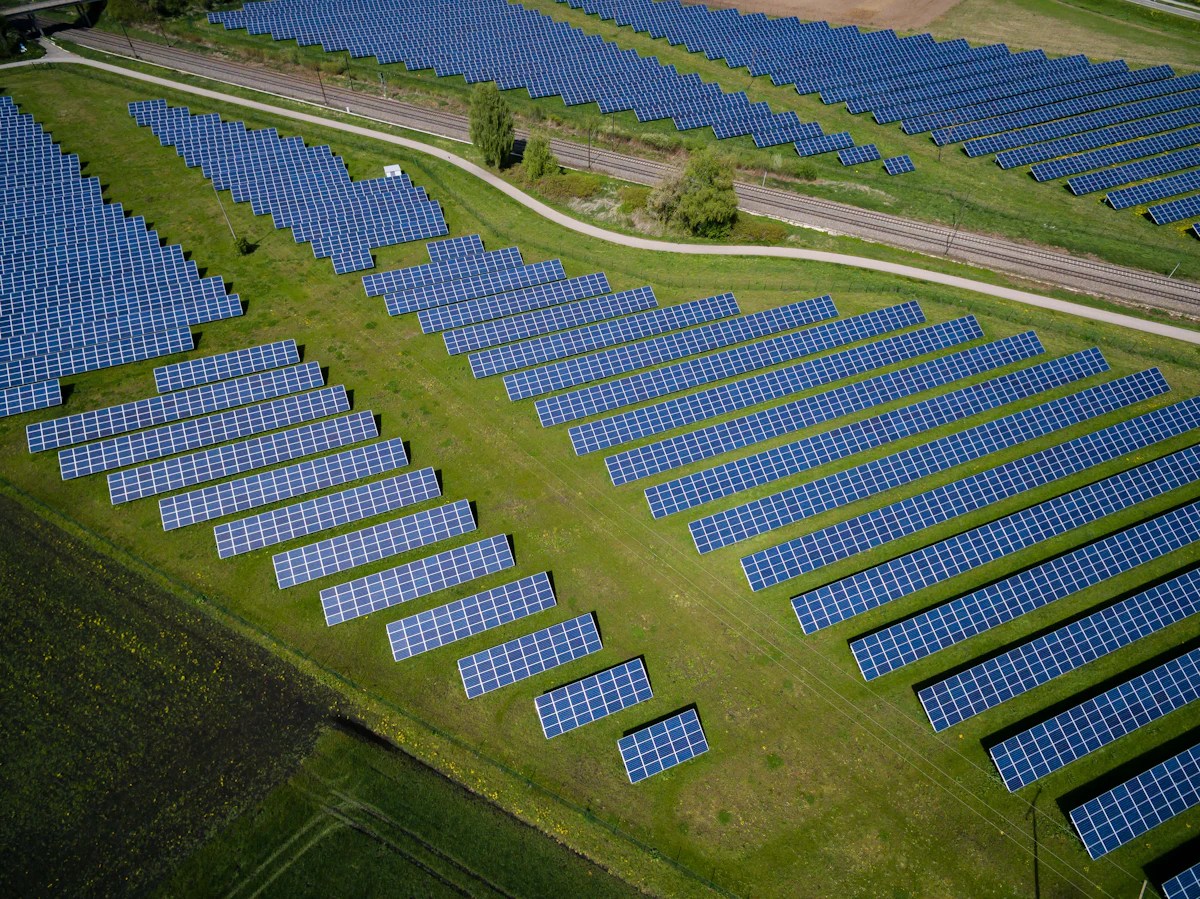
Image: A modern industrial solar installation, similar to commercial projects in Turkey. (Source: Unsplash)
This case highlights that the focus shouldn't be solely on the lowest solar panel price in Turkey, but on the lowest levelized cost of energy (LCOE)—the total cost of ownership over the system's life divided by the energy produced. High-quality components and professional design yield a lower LCOE.
The Long-Term View: Price vs. Value and ROI
A cheaper system can become an expensive liability. Degradation rates, warranty terms, and inverter longevity are critical. A panel with a 0.5% annual degradation rate will produce significantly more electricity over 25 years than one with a 0.8% rate, even if their initial price was similar.
This is the core of Highjoule's philosophy. Our HPS Series Commercial Storage Systems and integrated solar solutions are built with this long-term calculus in mind. We use tier-1 cell suppliers, robust battery chemistry (like LFP for safety and longevity), and sophisticated energy management software to ensure every component delivers on its promise for decades, not just years.
The Game Changer: Integrating Battery Storage
The conversation about solar in Turkey is incomplete without discussing storage. Batteries transform solar from a daylight-only resource into a 24/7 power solution. For businesses, this means:
- Maximizing Self-Consumption: Store excess solar energy produced at midday and use it during the expensive evening peak periods.
- Backup Power: Provide critical load protection during grid outages, ensuring production continuity.
- Enhanced ROI: By avoiding peak tariffs and increasing self-consumption rates, a solar-plus-storage system can often achieve a better return than solar alone, despite the higher initial investment.
Highjoule's Residential Energy Hub and Industrial Microgrid Controllers are designed specifically for this integration. They intelligently manage energy flow between solar panels, batteries, the building load, and the grid, making automated decisions that prioritize cost savings and resilience.

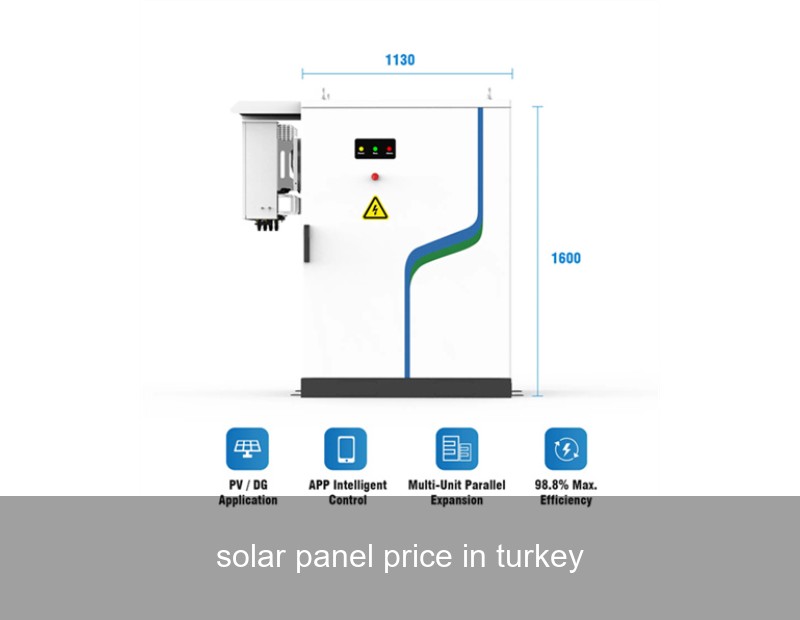
Image: A modern battery energy storage system (BESS) unit, a key component for energy independence. (Source: Unsplash)
Is Your Energy Strategy Ready for the Future?
The landscape of solar panel prices in Turkey is dynamic, influenced by global trends and local innovation. But the most successful energy investors look beyond today's price tag. They look at the total cost of ownership, the value of energy security, and the strategic advantage of predictable energy costs for the next quarter-century.
As you evaluate proposals, ask yourself and your potential providers: Does this design prioritize long-term yield and reliability? How does it plan for the inevitable evolution of energy tariffs and my own consumption patterns? Is it a simple panel installation, or is it a smart, adaptable energy asset?
What would a 100% self-sufficient energy day look like for your home or business, and what would that stability be worth to you?
 Inquiry
 Online Chat