


Is a Solar Panel 6.6 kW System the Sweet Spot for Your Home Energy Independence?
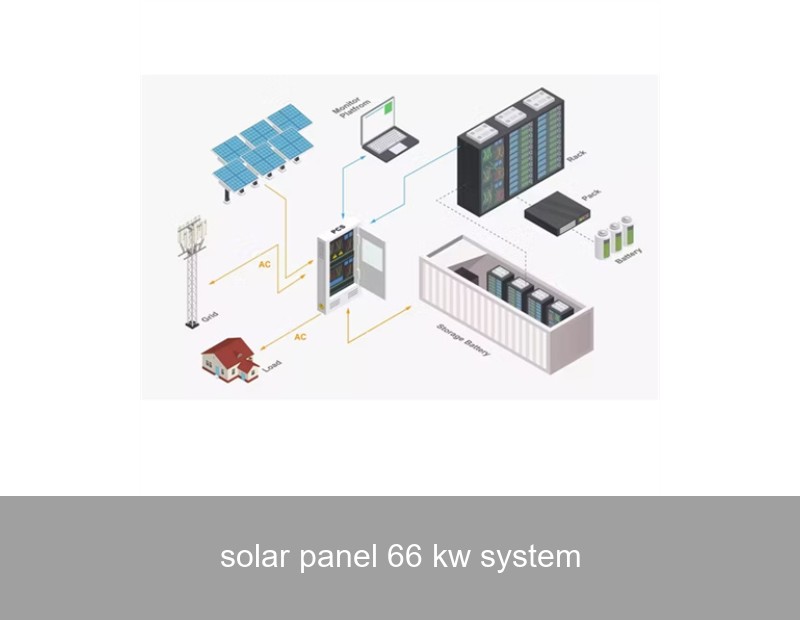
You've likely heard the buzz: homeowners across Europe and the U.S. are taking control of their energy bills and carbon footprint with rooftop solar. Among the many options, one size frequently emerges as a top contender for average family homes—the solar panel 6.6 kW system. But what does this number really mean for you? Is it the golden key to slashing your electricity bill to zero? As a product technology expert at Highjoule, I spend my days demystifying these numbers and helping customers build systems that deliver real-world results, not just impressive nameplate figures. Let's peel back the layers on the popular 6.6 kW solar setup.
The Reality of Power Output: It's Not 6.6 kW
Here’s the first crucial insight: your 6.6 kW system will almost never produce 6.6 kW of power at once. That rating is the DC (Direct Current) capacity under ideal laboratory conditions. The real AC (Alternating Current) power feeding your home is typically 10-20% less due to inverter conversion losses, wiring, and other factors. More importantly, production fluctuates dramatically.
Think of it like your car's top speed. Just because it can go 120 mph doesn't mean you'll drive at that speed all the time. Traffic, weather, and road conditions determine your actual pace. Similarly, a solar panel 6.6 kW system’s output depends on:
- Peak Sun Hours: Your location's daily average. Southern California might see 5.5 hours, while Munich averages closer to 3.
- Panel Orientation & Tilt: South-facing roofs (in the Northern Hemisphere) at an optimal angle yield the best results.
- Shading & Temperature: Even partial shading can significantly impact output, and surprisingly, solar panels become less efficient on extremely hot days.
So, a more useful metric is estimated annual energy production. A well-situated 6.6 kW system in Texas might produce around 10,000 kWh annually, while the same system in the UK could generate approximately 6,000 kWh. This is why a detailed site assessment is non-negotiable.
Key Components of a Robust 6.6 kW System
Not all 6.6 kW systems are created equal. The quality of components dictates performance, longevity, and safety. Here’s what you’re investing in:
| Component | Role & Importance | What to Look For |
|---|---|---|
| Solar Panels (~18-20 panels) | Convert sunlight into DC electricity. The workhorses of the system. | High efficiency (21%+), robust degradation warranty (e.g., 92% output after 25 years), and reputable manufacturer. |
| Inverter(s) | Converts DC from panels to usable AC for your home. The system's brain. | Choose between string inverters (cost-effective) or microinverters (superior for shading/complex roofs). Look for high efficiency and monitoring software. |
| Mounting & Racking | Securely attaches panels to your roof, ensuring they withstand decades of weather. | Non-penetrating systems where possible, corrosion-resistant materials, and proper ventilation to keep panels cool. |
| Monitoring System | Provides real-time and historical data on energy production and consumption. | User-friendly app, detailed per-panel data (if using microinverters), and alert functions. |
At Highjoule, we integrate these components into a cohesive, intelligent system. Our HelioSmart Home solution, for instance, pairs premium Tier-1 bifacial panels with advanced hybrid inverters, creating a platform that's ready for battery storage from day one. This foresight is critical, as we'll discuss later.

Image Source: Unsplash - Professional solar installation is key to system performance and safety.
The Financial Case: ROI and Payback Period
Let's talk numbers. The upfront cost for a quality 6.6 kW system in the U.S. ranges from $16,000 to $22,000 before incentives. In Germany, prices might range from €12,000 to €18,000. The game-changer is government incentives. The U.S. federal Investment Tax Credit (ITC) currently offers a 30% tax credit, dramatically reducing the net cost. Many European countries offer attractive feed-in tariffs or tax deductions.
With these incentives, the payback period for a solar panel 6.6 kW system can often be between 6 to 10 years. After that, you're essentially generating free electricity for the remaining 15+ years of the system's life. This is where the investment shines, locking in a low, predictable energy cost and insulating you from volatile utility rate hikes.
A Real-World Case Study: The Smith Family Home
Let's make this concrete. The Smiths (name changed) live in a 2,200 sq ft home in Sacramento, California. Their average monthly electricity bill was $180. In 2022, they installed a 6.6 kW system with a Highjoule HelioSmart hybrid inverter.
- System Size: 6.6 kW DC (20 x 330W panels)
- First-Year Production: 9,850 kWh
- Utility Offset: 92% of their annual consumption
- Financial Impact: Their annual electricity cost dropped from ~$2,160 to about $170—a 92% reduction. With the 30% ITC, they calculated a payback period of just under 7 years.
The Smiths' case highlights a vital point: sizing your system to cover a high percentage, but not necessarily 100%, of your usage is often the most cost-effective approach. Chasing that last 8% might require a disproportionately larger, more expensive system.
Future-Proofing Your Investment: The Role of Storage
Here's the next-level thinking: a solar panel 6.6 kW system generates power when the sun shines. But what about evenings, peak rate periods, or grid outages? This is where battery energy storage systems (BESS) transform your solar array from a money-saver into a resilience hub.
By adding a battery like Highjoule's VoltStack Home, you can store excess daytime energy for use at night, maximize self-consumption, and, crucially, keep your lights on during a blackout. In markets like California, Germany, and Texas, where grid reliability or time-of-use rates are a concern, storage is becoming a standard part of the solar conversation. Designing your 6.6 kW system with a "storage-ready" inverter, as we do with all HelioSmart systems, saves significant cost and complexity when you decide to add a battery later.

Image Source: Unsplash - Battery storage provides energy independence and backup power.
Choosing the Right Technology Partner
The technology is only half the equation. A successful installation depends on the expertise of your provider. Since 2005, Highjoule has been at the forefront of intelligent energy storage and management. We don't just sell components; we engineer integrated solar-plus-storage solutions for residential, commercial, and microgrid applications. Our approach ensures that every solar panel 6.6 kW system we're involved with is not just a collection of parts, but a future-proofed energy asset.
We leverage data from sources like the National Renewable Energy Laboratory (NREL) to inform our technology choices and system designs, ensuring we deliver on the promise of clean, reliable, and affordable power.
Your Energy Future
So, is a 6.6 kW solar system the right choice for you? It very well could be the ideal balance of power, production, and return on investment for an average home. But the true answer lies in a careful analysis of your energy consumption patterns, roof characteristics, local climate, and—most importantly—your long-term vision for energy independence. Are you simply looking to reduce your next bill, or are you building a resilient, smart home ecosystem that can power through the uncertainties of the future?
 Inquiry
 Online Chat