


Solar Construct Nederland: Building a Sustainable Future with Smart Energy Solutions
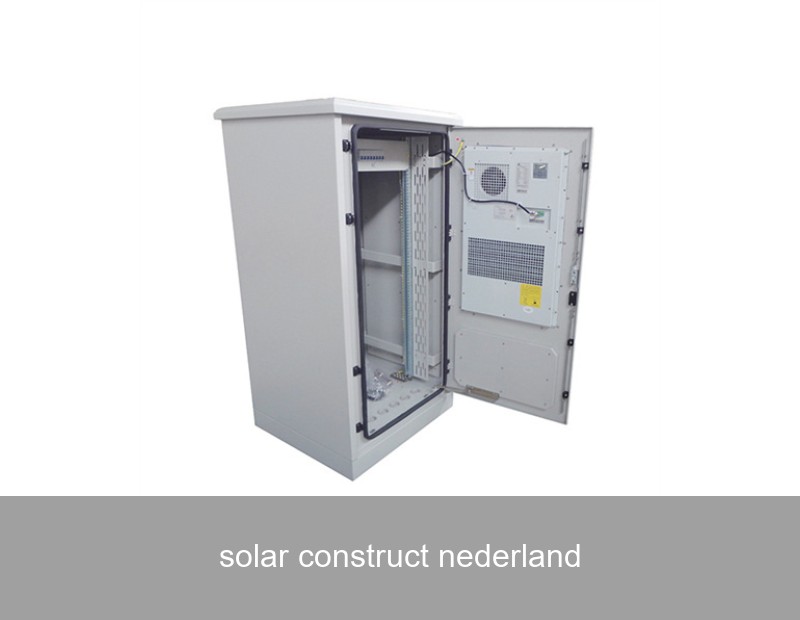
If you're involved in construction or property development in the Netherlands, you've undoubtedly heard the term "solar construct Nederland" buzzing around. It's more than just installing panels on a roof. Today, it represents a holistic approach to building—integrating energy generation, storage, and intelligent management right from the blueprint stage. This shift is driven by ambitious national goals, fluctuating energy prices, and a genuine demand for energy independence. But how do you navigate this complex landscape to create truly future-proof buildings? The answer lies in moving beyond simple solar to comprehensive, smart energy systems.
Table of Contents
The New Dutch Phenomenon: From Solar Panel to Energy System
For years, "solar" in construction meant subcontracting a PV installer after the main build. The result? Often a suboptimal system that doesn't fully align with the building's actual energy consumption patterns. The modern concept of solar construct Nederland flips this model. It considers the building as an integrated energy entity. Think about it: your design choices on insulation, HVAC, and even tenant schedules directly impact energy needs. By designing the solar and storage system in tandem with the architecture, you maximize self-consumption, reduce grid dependency, and turn a cost center into a value-generating asset.

Image: Modern Dutch architecture increasingly integrates solar energy from the design phase. Source: Unsplash
Data Driving the Change: Why Storage is Non-Negotiable
Here's a simple truth: solar panels produce the most when you might need it the least—during midday. Dutch CBS statistics show a consistent rise in solar capacity, but without storage, a significant portion of this clean energy is fed back to the grid, often with low financial returns due to changing net metering schemes. The real magic happens when you pair generation with storage.
Let's look at the numbers. A typical Dutch commercial building might have a peak consumption of 100 kW. A large solar array could produce a surplus of 60-70% during peak sun hours. Without a battery, that energy is exported. With a correctly sized Battery Energy Storage System (BESS), you can capture that surplus and use it during the expensive evening peak, when grid prices can be 40-70% higher. This isn't just theory; it's the new financial logic of construction.
The Key Components of a Modern Solar Construct System
- High-Efficiency Photovoltaics: Maximizing yield from limited roof or facade space.
- Intelligent Battery Storage (BESS): The heart of energy independence, shifting usage and providing backup.
- Advanced Energy Management System (EMS): The brain that optimizes flow between solar, battery, building, and grid.
- EV Charging Integration: Preparing for the electrification of transport as a standard building service.
Case Study: A Rotterdam Commercial Hub's Journey to Energy Autonomy
Consider the recent retrofit of "De Groene Boog," a mixed-use commercial hub in Rotterdam. The challenge was clear: reduce escalating energy costs, meet sustainability tenants, and ensure operational resilience. The project, a prime example of solar construct Nederland principles, involved:
| Component | Specification | Outcome |
|---|---|---|
| Solar PV Capacity | 412 kWp on roof and canopies | Covers ~65% of annual base load |
| Battery Storage | Highjoule H-Stack 250 | 250 kWh / 125 kW | Increases self-consumption to 92% |
| Energy Management | Highjoule Neuron EMS with AI forecasting | Automated peak shaving, grid cost reduction |
Within the first year of operation, the system achieved a 78% reduction in grid energy draw during peak tariff periods and is on track for a full ROI in under 7 years. More importantly, the building's market value and appeal to sustainability-conscious tenants increased significantly. This demonstrates that the right technology partnership is crucial for turning energy data into tangible economic results.
The Highjoule Integrated Approach: Intelligence at the Core
As a global leader in advanced energy storage since 2005, Highjoule understands that every construction project is unique. Our role in the solar construct Nederland ecosystem is to provide the core intelligence and storage hardware that makes integrated designs work seamlessly. We don't just sell batteries; we deliver tailored power solutions.
For developers and contractors, our H-Stack modular battery systems offer unparalleled flexibility. They can be scaled to fit the exact energy profile of a residential complex, an industrial warehouse, or a municipal microgrid. Paired with our Neuron Energy Management Platform, the system becomes proactive. It learns consumption patterns, predicts solar production using weather data, and even responds to real-time grid signals to optimize for cost or carbon footprint—all automatically.

Image: A modern, modular battery storage system like Highjoule's H-Stack. Source: Unsplash
This is especially relevant for the Dutch market, where grid congestion is becoming a pressing issue. By enabling buildings to consume their own solar energy locally, Highjoule systems alleviate grid pressure and help avoid costly connection upgrades, a fact increasingly appreciated by grid operators like TenneT.
Future-Proofing Your Solar Construct Nederland Project
So, how do you ensure your next project is truly ready for the future? It starts with asking the right questions during the design phase.
Critical Questions for Your Design Team:
- Have we modelled our 24/7 energy profile, not just our total annual demand?
- Is our solar design optimized for self-consumption, not just maximum total yield?
- How are we planning for future loads like widespread EV charging or heat pumps?
- Does our energy system have the intelligence to adapt to changing tariffs and regulations?
Integrating a solution like Highjoule's from the start provides the flexibility to answer these questions. Our systems are designed with open protocols, ensuring they can communicate with other building management systems and adapt to future energy market innovations, such as dynamic energy trading.
The Role of Policy and Incentives
Navigating the Dutch and European incentive landscape is part of the puzzle. While the SDE++ subsidy has been a major driver for large-scale renewables, the focus is shifting towards integration and flexibility. Systems that provide grid services, like those enabled by Highjoule's smart controls, are poised to benefit from new market mechanisms. Staying informed through sources like the IEA Policy Database is key for developers.
As you plan your next sustainable building project in the Netherlands, consider this: Will it be a passive consumer of energy, or an active, intelligent node in a cleaner, more resilient grid? The path you choose today defines its value for decades to come.
What is the first step your firm will take to integrate intelligent energy storage into your next solar construct Nederland project plan?
 Inquiry
 Online Chat