


Is a Solar Battery Group for $2995 the Key to Unlocking True Energy Freedom?
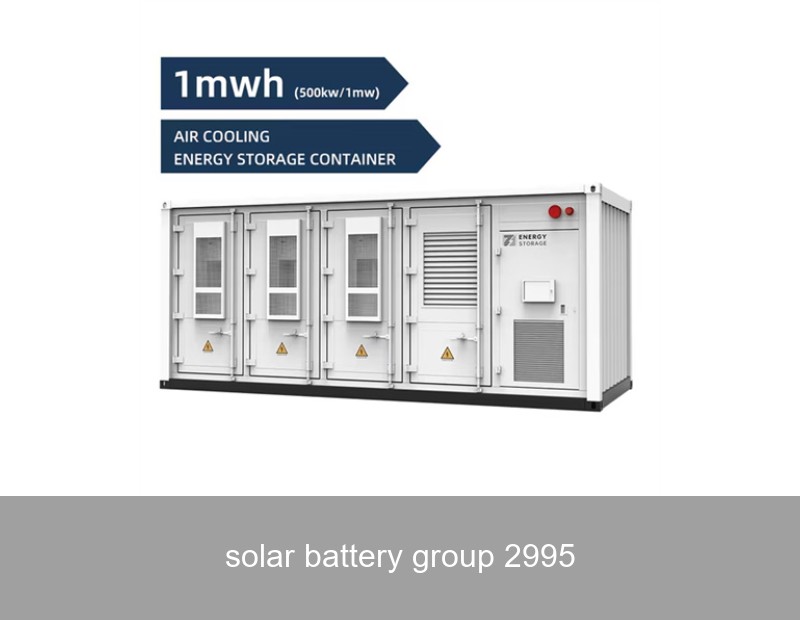
You've seen the ads, haven't you? "Solar Battery Group: $2995." It's a headline that grabs attention, promising a straightforward path to energy independence. But as a seasoned professional in the renewable energy sector, I often get asked: what does that price really get you? Is it a complete solution, or just the beginning of the story? The surge in interest for affordable home energy storage is a phenomenal trend, driven by rising electricity costs and a genuine desire for sustainability. Let's move beyond the catchy price tag and explore what it truly takes to build a resilient, efficient, and smart home energy system that delivers on its promise for years to come.
The Price Phenomenon: What's Behind the $2995 Solar Battery?
The advertised "solar battery group" at this price point typically refers to a specific, entry-level battery module with a limited capacity, often in the 5-10 kWh range. For context, the average U.S. household uses about 30 kWh per day. This makes such a unit suitable for backing up essential circuits—think your refrigerator, some lights, and your Wi-Fi—for a limited time during an outage. It's a compelling entry point, but it's crucial to understand the full picture. The total installed cost is where the real investment lies.
Think of it like buying an engine versus a complete car. The battery is the heart, but you also need a compatible inverter, critical load panels, sophisticated energy management software, professional installation, permits, and ongoing system support. This "balance of system" cost can often double or even triple the initial hardware price. A truly valuable solution isn't just about the cheapest battery cell; it's about the intelligence that orchestrates it.
Key Components Often Not Included in the Base Price:
- Hybrid Inverter: The brain that converts DC from solar and batteries to AC for your home.
- Energy Management System (EMS): Software that decides when to charge, discharge, or export.
- Professional Installation & Permitting: Crucial for safety, compliance, and warranty validation.
- System Scalability: The ability to easily add more storage later as your needs evolve.
Beyond the Battery: The System is the Solution
An effective home energy system operates on a logic ladder: it must first be safe and reliable, then intelligent and efficient, and finally, scalable and sustainable. A standalone battery unit addresses only the first step. The magic happens when advanced hardware is paired with predictive software.
For example, can your system anticipate a grid outage based on weather forecasts and pre-charge the battery to 100%? Does it learn your consumption patterns to maximize self-consumption of solar energy, minimizing expensive grid imports during peak rate periods? This level of intelligent automation is what transforms a simple backup device into a daily money-saving asset. Companies that have spent decades in grid-scale and commercial storage bring this depth of systems thinking to the residential market.

Image Source: Unsplash (Professional photography of a residential energy installation)
A Real-World Case Study: Quantifying Resilience in California
Let's look at hard data from a market where energy resilience is not a luxury, but a necessity. In Northern California, a homeowner with a 10 kW solar array paired their system with a 13.5 kWh integrated storage solution (not an entry-level unit). The goal was twofold: survive Public Safety Power Shutoffs (PSPS) and combat time-of-use (TOU) rates.
| Metric | Before Storage | After Storage Installation |
|---|---|---|
| Grid Import During Peak Hours (Summer) | ~60% of evening load | <10% |
| Annual Electricity Bill Savings | Baseline (Solar only) | Additional $1,200+ |
| Backup Duration for Essentials | 0 hours during outage | 24+ hours |
This case, documented in a NREL report on PV-coupled storage, shows the tangible value. The savings from TOU arbitrage and increased self-consumption significantly offset the system's cost over time, while the security during wildfires was priceless. The system paid for itself in under 10 years, all while providing daily benefits and peace of mind.
The Highjoule Difference: Intelligent Storage for Demanding Needs
At Highjoule, with our roots in large-scale commercial and industrial storage since 2005, we approach residential energy differently. We understand that a home is a microgrid. Our HomePower Stack series isn't just a "battery group"; it's an integrated, software-defined power plant for your property.
What sets our solution apart is its adaptive intelligence. The Highjoule Energy Operating System (EOS) doesn't just react; it forecasts. By integrating local weather data and your utility's rate schedule, it optimizes every kilowatt-hour. For instance, on a day with predicted clouds followed by sun, it might conserve battery charge to cover the cloudy period, then fill back up with solar later.
- Scalable Architecture: Start with a 10 kWh base unit and seamlessly add more storage pods as your needs grow—no need for a costly secondary inverter.
- Grid-Forming Technology: In an outage, our systems can "black start" and even power heavy-duty appliances like central AC units, which many entry-level systems cannot handle.
- Commercial-Grade Durability: We use Lithium Iron Phosphate (LFP) chemistry across all our products, known for its exceptional safety, longevity (10,000+ cycles), and stability.
For homeowners looking beyond a basic $2995 offer, the Highjoule system represents the next tier: a comprehensive, future-proof investment that manages energy as a dynamic asset.

Image Source: Unsplash (Representative image of a modern home battery unit)
Making the Right Choice for Your Home
So, how do you navigate this decision? Start by asking the right questions, not just about price, but about performance and partnership.
Your Essential Decision Checklist:
- What is my primary goal? (Backup for outages, bill savings, maximizing solar, all of the above?)
- What essential loads must run during an outage? (Sump pump? Medical equipment? AC?) Calculate the total wattage.
- Does the quoted price include a fully installed, permitted, and operational system? Demand a detailed, line-item proposal.
- What is the software intelligence? Can it integrate with my utility's programs and adapt to my lifestyle?
- What is the company's long-term service and warranty support model? A battery is a 10-15 year investment.
The "solar battery group $2995" offer serves as a powerful catalyst, drawing homeowners into the vital conversation about energy resilience. It proves there are options at various investment levels. However, for those seeking a system that not only protects but also actively optimizes their home's energy ecosystem daily, partnering with an experienced provider like Highjoule ensures you're investing in a solution engineered for the complexities of modern energy needs.
Given your home's unique energy profile and your vision for resilience, what would be the true cost of not having an intelligent, scalable system in place during the next major grid event?
 Inquiry
 Online Chat