


Solar Batteries in Uganda: Powering Progress Beyond the Grid
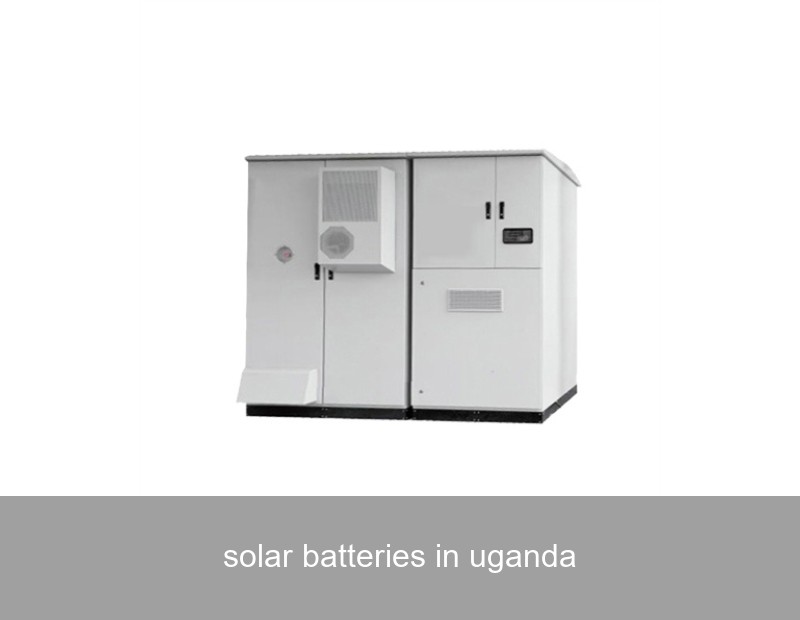
Imagine a clinic that can refrigerate vaccines 24/7, a school where students can study after sunset, or a business that runs reliably despite daily power cuts. This isn't a distant dream; it's the tangible reality being created across Uganda, thanks in large part to the strategic deployment of solar batteries in Uganda. As a global leader in advanced energy storage, Highjoule sees Uganda's energy landscape not as a challenge of scarcity, but as a powerful opportunity for innovation and sustainable growth. This article explores how solar battery systems are transforming lives and livelihoods, and what this means for the future of energy access in East Africa and beyond.
Table of Contents
The Uganda Context: More Than Just Sunlight
Uganda is blessed with abundant solar radiation, averaging about 5.1 kWh/m²/day—a figure that rivals some of the sunniest regions in Europe. Yet, as of 2023, the national electrification rate stood at approximately 57%, with a stark divide between urban (about 72%) and rural (roughly 44%) access. For millions, the central grid remains unreliable or entirely out of reach. This is the classic energy paradox: plenty of sun, but not enough reliable power. The traditional solution has been solar panels, but without a way to store that energy, power is only available when the sun shines, leaving critical needs unmet during evenings, nights, and cloudy periods.
Why Batteries Are the Missing Piece
This is where solar batteries in Uganda change the entire equation. They are the linchpin that converts a daytime-only solar system into a 24/7 power station. Let's break down the key benefits:
- Energy Security: Provides uninterrupted power for homes, businesses, and critical infrastructure, independent of grid failures or fuel shortages.
- Economic Enablement: Powers machinery, extends business hours for shops and markets, and supports agro-processing, directly boosting income.
- Social Impact: Enables evening education, powers medical equipment, and improves safety with reliable lighting.
- Cost Efficiency: Eliminates recurring expenditure on kerosene, candles, and diesel generators, offering a superior long-term return on investment.
The technology of choice for these demanding, off-grid applications is increasingly Lithium Iron Phosphate (LFP) battery chemistry. Why? It offers a superior balance of safety, longevity (often over 3,000 cycles), and performance in varied climates—exactly what's needed for sustainable projects in Uganda.
Case Study: Lighting Up Kalembe Village
Let's look at a concrete example. In 2022, a community-led project was implemented in Kalembe, a remote village in the Nakasongola District. The goal was to provide basic electricity to 50 households and a primary school. The system comprised:
| Component | Specification |
|---|---|
| Solar PV Array | 15 kWp |
| Battery Storage | 40 kWh (LFP chemistry) |
| Inverter System | 3-phase, 15 kVA |
| Distribution | Mini-grid with pre-paid meters |
One year post-installation, the results were telling. Households reported an average savings of $15 per month on kerosene and phone charging costs. The school extended study hours by 3 hours each evening, and a small local mill began operating, processing maize for the community. The battery system's robust management ensured 99% uptime, even through the rainy seasons. This case mirrors findings from the World Bank's off-grid solar reports, which highlight the multiplier effect of adding storage to solar projects.

Image Source: Unsplash (Representative image of solar-powered community development)
Beyond Basics: Powering Commerce and Healthcare
The application of solar batteries in Uganda extends far beyond household lighting. We are seeing transformative use cases in two critical sectors:
- Agri-Business & SMEs: Milk chilling centers, coffee processing units, and welding workshops use solar-plus-storage to run heavy-duty equipment, reduce post-harvest loss, and operate independently from the erratic grid. This directly increases profitability and creates jobs.
- Healthcare: For health centers, a reliable power supply is a matter of life and death. Solar batteries ensure that refrigerators preserve vaccines, lights allow for safe nighttime deliveries, and diagnostic equipment like ultrasound machines remain operational. The World Health Organization underscores the critical link between reliable energy and health outcomes.
Highjoule's Role: Delivering Intelligent, Durable Solutions
At Highjoule, we understand that success in markets like Uganda isn't just about selling a battery; it's about delivering a guarantee of power. Our products and services are engineered for this mission. For commercial, industrial, and community-scale applications, our H-Series modular lithium battery systems are an ideal fit. They are built with LFP cells for maximum safety and cycle life, feature intelligent Battery Management Systems (BMS) that optimize performance in high-temperature environments, and are designed for easy installation and scalability.
What sets Highjoule apart is our integrated approach. We provide more than hardware; we offer Highjoule EnergyOS, a smart monitoring and management platform. For a mini-grid operator in Uganda, this means they can remotely monitor the health of their battery bank, track energy production and consumption, and even perform diagnostics—all from a smartphone. This reduces operational costs and maximizes system lifespan, which is crucial for the long-term financial sustainability of any project.

Image Source: Unsplash (Representative image of a modern energy storage system)
The Future Outlook and Key Considerations
The trajectory for solar batteries in Uganda is undoubtedly upward. As technology costs continue to fall and innovative financing models (like Pay-As-You-Go and leasing) become more widespread, adoption will accelerate. However, sustainable growth hinges on a few critical factors:
- Quality & Standards: Avoiding low-quality, uncertified equipment that fails prematurely and erodes trust in the technology.
- Local Capacity: Investing in training for local technicians and entrepreneurs to install, maintain, and service these systems.
- Tailored Solutions: Designing systems that match the specific load profiles and financial realities of Ugandan households and businesses.
This is where partnership with experienced technology providers becomes invaluable. Highjoule works closely with developers, NGOs, and financiers across East Africa to design systems that are not just technically sound, but also economically viable for the long term.
An Open Question for Our Readers
We've seen how solar batteries can power a village, a clinic, or a business. But the potential is even broader. What emerging application—be it in eco-tourism, digital education hubs, or electric mobility—do you believe could be the next game-changer for Uganda's energy-independent future? We invite you to share your vision.
 Inquiry
 Online Chat