


Smart Solar Panel Systems: The Intelligent Heart of Modern Energy Independence
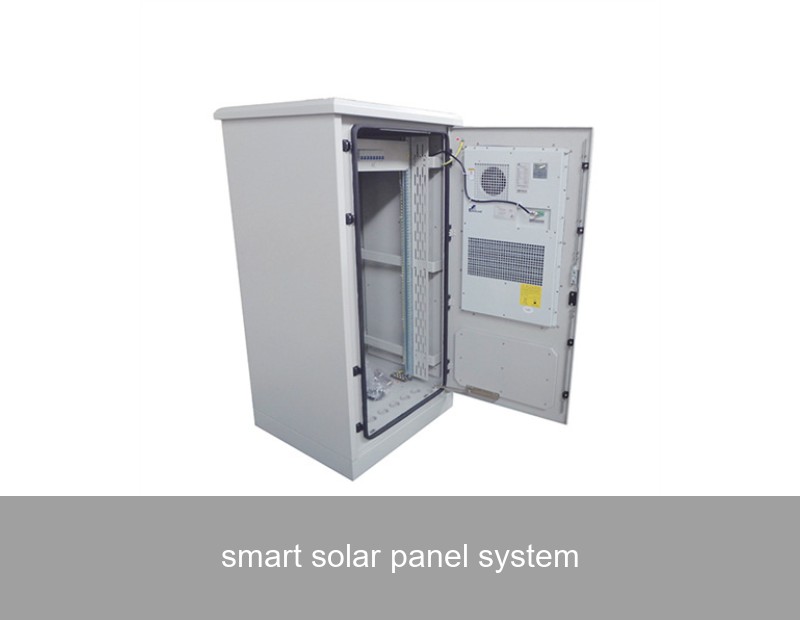
Imagine a solar panel system that doesn't just generate power, but thinks, learns, and optimizes. That's the promise of a smart solar panel system. For homeowners and businesses across Europe and the U.S., the shift from traditional solar to intelligent energy management is no longer a luxury—it's a strategic move towards resilience, efficiency, and true energy independence. This evolution addresses a common frustration: having solar panels but still seeing high utility bills during peak hours or at night. The solution lies not in more panels, but in smarter systems that integrate generation, storage, and intelligent control.
Table of Contents
The Phenomenon: Why "Dumb" Solar Isn't Enough Anymore
Traditional solar installations are one-way streets. They produce power when the sun shines, feed it into the grid or a simple battery, and operate with limited awareness of your actual consumption patterns or grid conditions. This creates several inefficiencies. You might be exporting cheap, self-produced energy to the grid at noon only to buy back expensive power from the utility in the evening—a phenomenon known as the "duck curve" challenge noted by grid operators in California (CAISO). A smart solar panel system transforms this setup into a dynamic, multi-lane highway. It uses advanced inverters, software-driven energy management systems (EMS), and intelligent battery storage to make real-time decisions that maximize self-consumption, financial return, and grid support.
The Data: Quantifying the Smart Energy Advantage
The benefits of intelligence are measurable. Let's break them down:
| Metric | Traditional Solar System | Smart Solar & Storage System |
|---|---|---|
| Self-Consumption Rate | Typically 30-50% (without battery) | Up to 80% or more |
| Bill Savings Potential | Reduces daytime consumption costs | Reduces peak demand charges, enables time-of-use arbitrage |
| Grid Independence | Low - fully reliant on grid at night | High - can power essential loads during outages |
| System Lifespan & Health | Basic monitoring | Predictive analytics and proactive component management |
For instance, the National Renewable Energy Lab (NREL) highlights that pairing solar with smart storage can increase the value of solar by 20-40% depending on local market structures, primarily by allowing consumers to avoid purchasing electricity during the most expensive periods.
Case Study: A German Bakery's Recipe for Resilience
Let's look at a real-world example. Bäckerei Schmidt (name changed for privacy), a mid-sized artisan bakery in Bavaria, Germany, faced a classic energy dilemma. Their ovens, refrigeration, and lighting created high energy costs, with significant demand charges. Their existing solar panels covered only their low-power daytime operations.
In 2023, they upgraded to a comprehensive smart solar panel system. The solution included a high-efficiency solar array expansion, a 50 kWh lithium-ion battery storage unit, and a central Highjoule Energy Hub as the system's brain. The Hub's AI-driven software analyzes weather forecasts, bakery production schedules, and real-time grid electricity prices.

The Results (12-month period):
- Energy Autonomy: Increased from 35% to 78%.
- Demand Charge Reduction: By intelligently using battery power to "shave" peak loads when multiple ovens started, they reduced monthly demand charges by 60%.
- ROI Acceleration: The system's smart tariff optimization, selling excess power only during high-price windows, cut their simple payback period from an estimated 9 years to under 6 years.
- Resilience: During a planned grid maintenance blackout, the bakery operated normally for 5 hours, saving thousands in potential lost production.
This case underscores that intelligence transforms solar from a passive generator into an active financial and operational asset.
Key Insights: What Makes a System Truly "Smart"?
Not all systems labeled "smart" are created equal. Based on our experience at Highjoule, here are the non-negotiable components:
- An Intelligent Energy Manager: This is the software brain. It must go beyond simple timer controls to use machine learning for predicting generation and consumption.
- Grid-Interactive Capabilities: The system should be able to respond to grid signals (where available) for demand response programs, providing value to both the owner and the wider community.
- Seamless Integration: The inverter, battery, monitoring, and control must be designed to work as a unified ecosystem, not a patchwork of components. This is critical for safety, performance, and warranty.
- User-Centric Interface: Data is useless if it's not understandable. A good portal or app should show not just production, but savings, environmental impact, and system health in clear terms.
The Highjoule Approach: Integrated Intelligence
At Highjoule, we've been engineering advanced battery energy storage systems (BESS) since 2005. We view the smart solar panel system as an integrated whole. Our Highjoule HEM (Home Energy Manager) and Commercial Energy Hub are designed to be the central nervous system of your energy setup. They don't just connect our own Highjoule HyperCell batteries and compatible solar inverters; they orchestrate them based on your personalized goals—whether that's maximizing self-consumption, minimizing cost, or ensuring backup power priority for critical circuits.

Our systems are built with the European and North American markets in mind, complying with strict safety standards like UL 9540 and IEC 62619. For microgrids and industrial applications, this intelligence scales, allowing for complex load management and even participation in grid-balancing markets. The core principle is the same: empower the user with control, insight, and tangible economic benefits.
Beyond Hardware: The Highjoule Service Ecosystem
Providing a smart system is just the beginning. Our service includes:
- Remote System Health Monitoring: Our team proactively monitors for performance anomalies.
- Software Updates: Continuous improvement of algorithms and features delivered over the air.
- Energy Consulting: Helping you understand local incentive programs, like EU REPowerEU initiatives or the U.S. Investment Tax Credit (ITC), to maximize your investment.
Your Energy Future: Questions to Consider
The transition to a smart energy home or business is a significant step. As you contemplate it, ask yourself: What is your primary driver—total energy cost savings, backup power security, or reducing your carbon footprint? How does your utility's rate structure (e.g., time-of-use rates, demand charges) create opportunities for a smart system to pay for itself? And most importantly, is your chosen provider offering a truly integrated, intelligent platform, or just a collection of parts?
What will be the first load you want to secure when the grid goes down, and how can your energy system be designed to make that not just a possibility, but a guarantee?
 Inquiry
 Online Chat