


Smart Meters and Solar Panels in 2019: The Turning Point for Modern Energy
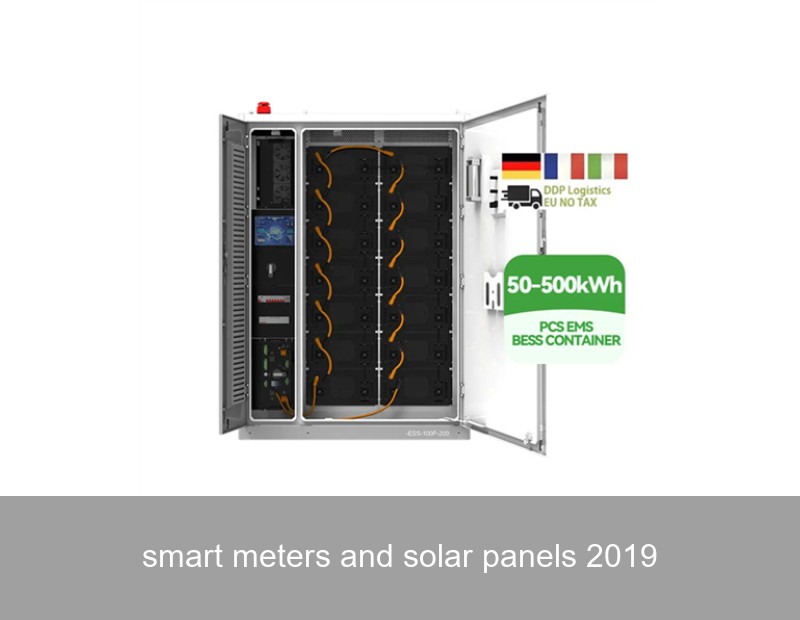
Think back to 2019. For the energy world, it was a pivotal year. The conversation in homes and boardrooms across Europe and the US wasn't just about solar panels anymore; it was about what they could do when paired with a digital brain: the smart meter. This combination moved renewable energy from a simple source of power to an intelligently managed asset, setting the stage for the resilient, efficient grids we're building today. Let's explore why that year was a watershed moment and how that synergy continues to evolve.
Table of Contents
The 2019 Shift: From Generation to Intelligence
Prior to 2019, the primary goal was simple: install more solar panels. The focus was on generation. However, a challenge emerged. Homeowners and businesses could see they were producing energy, but they lacked granular, real-time insight into how that energy was being used, exported, or wasted. Enter the smart meter. In 2019, driven by major policy pushes in the EU like the Clean Energy for All Europeans package and state-level mandates in the US, smart meter deployments hit critical mass. This created a new phenomenon: the digitally connected solar prosumer (producer + consumer).
What the Data Reveals
The numbers from 2019 tell a compelling story of convergence. According to the International Energy Agency (IEA), global solar PV capacity additions in 2019 reached a then-record 115 GW[1]. Simultaneously, the EU reported that smart meter penetration for electricity had reached nearly 50%, with several member states like Spain, Italy, and the UK exceeding 80%[2]. This parallel growth wasn't coincidental. Smart meters provided the essential data layer that made solar investments more calculable and controllable.
| Region | Smart Meter Penetration (Electricity) | Solar PV Capacity Added (2019) | Key Driver |
|---|---|---|---|
| European Union | ~50% (Average) | ~16 GW | Clean Energy Package, consumer empowerment goals. |
| United States | ~70% (IOUs)* | ~13.3 GW | State mandates, grid modernization, cost reduction. |
| United Kingdom | >80% | ~0.3 GW (Residential focus) | SMETS2 rollout, time-of-use tariff readiness. |
*IOUs: Investor-Owned Utilities. Source: IEA, Eurostat, SEIA compilations.
Case Study: The UK's Smart Meter Rollout & Solar Boom
The UK provides a perfect real-world example. By 2019, the second-generation SMETS2 smart meters were being widely installed, resolving earlier compatibility issues. These meters, when integrated with solar panels, enabled a game-changing capability: accurate, half-hourly export metering.
The Phenomenon: Solar homeowners were transitioning to "time-of-use" tariffs like Agile Octopus, which offer variable pricing every 30 minutes.
The Data: A household with a 4kW solar array and a smart meter could now see precise data. They might generate 15kWh on a sunny day, consume 10kWh directly, and export 5kWh back to the grid at a premium rate during peak evening hours when grid power was most expensive.
The Case: A 2019 study by the UK's Energy Saving Trust highlighted that households with smart meters and solar panels increased their self-consumption of solar energy by an average of 20% simply due to heightened awareness and behavioral changes. They started running dishwashers and charging EVs during peak solar production hours.
The Insight: The smart meter transformed the solar panel from a cost-saver into a revenue-generating asset. It provided the transparency needed to maximize financial returns, a key incentive for further adoption.

Image: A modern smart meter display provides real-time data, crucial for optimizing solar energy use. (Photo by Possessed Photography on Unsplash)
Beyond the Basics: The Role of Advanced Energy Storage
While smart meters and solar panels created visibility and new tariff opportunities, they also exposed a limitation: solar generation is intermittent. The sun doesn't shine in the evening during peak demand. This is where the third, crucial component of a modern energy system comes in – the intelligent battery storage system. A smart meter tells you when you're importing expensive power; solar panels can generate free power; but only a battery lets you decide when to use that power.
How Highjoule Elevates the Smart Solar System
This is precisely where Highjoule, as a global leader in advanced energy storage since 2005, steps in. Our systems are designed to be the intelligent hub that connects and optimizes the data from your smart meter and the generation from your solar panels.
Our HES Series (Home Energy System) for residential applications doesn't just store excess solar energy. It integrates with smart meter data streams and utility signals to perform advanced energy management:
- Time-of-Use Optimization: The system automatically charges from solar (or the grid during off-peak, low-cost hours) and discharges during expensive peak periods, maximizing savings beyond what solar alone can achieve.
- Self-Consumption Maximization: It increases the use of your own solar power from ~30-50% (solar only) to over 80%, drastically reducing grid dependence.
- Grid Services Ready: For commercial and microgrid applications, our C&I ESS (Commercial & Industrial Energy Storage System) can use smart meter data to participate in demand response programs, providing additional revenue by supporting grid stability.

Image: A complete home energy system: solar panels for generation and a wall-mounted battery for storage and control. (Photo by Andreas Gücklhorn on Unsplash)
Future Trends Born in 2019
The foundation laid in 2019 is accelerating today's trends. The integration of smart meters and solar panels was the first step toward:
- Virtual Power Plants (VPPs): Thousands of individual solar+storage systems, aggregated via their smart meter connections, can act as a single, dispatchable power plant.
- Peer-to-Peer (P2P) Energy Trading: Blockchain-enabled platforms use smart meter data to allow neighbors to buy and sell excess solar energy directly.
- Enhanced Grid Resilience: For microgrids, the combination allows for sophisticated islanding capabilities, where a community can disconnect from the main grid and run on its own solar and stored power during outages.
Highjoule's solutions are at the forefront of these trends. Our systems are built with advanced communication protocols (like IEEE 2030.5) that ensure seamless integration with utility systems and smart meters, future-proofing your investment.
The synergy of smart meters and solar panels in 2019 taught us a powerful lesson: data is as valuable as the electrons themselves. It unlocked a new era of energy intelligence, moving us from passive consumption to active management. The next step is adding the layer of control—intelligent storage—to truly harness the full potential of your personal power plant.
Is your solar installation giving you the control and savings you envisioned in 2019, or are you still missing the key piece to complete your energy independence puzzle?
 Inquiry
 Online Chat