


Renewable Energy Storage Solutions: The Key to Unlocking a Clean Power Grid
a windy night in the North Sea, turbines spinning at full capacity, generating more clean electricity than the grid can immediately use. Meanwhile, a calm, sunny afternoon in California sees solar panels reaching their peak output. This is the modern paradox of renewable energy—it's abundant but not always available when we need it most. This is where renewable energy storage solutions step in, transforming these moments of surplus into reliable power for later use. They are no longer a luxury add-on; they are the essential linchpin for a resilient, decarbonized energy system. For businesses, communities, and homeowners, understanding these solutions is the first step toward energy independence and sustainability.
Beyond the Battery: Unpacking Modern Solutions
When we hear "energy storage," we often think of a single battery. In reality, modern renewable energy storage solutions are sophisticated, integrated systems. They combine advanced chemistry, power electronics, and intelligent software to manage energy flow seamlessly.
Lithium-ion: Dominance and Evolution
Lithium-ion technology is the current workhorse, prized for its high energy density and declining cost. According to the International Energy Agency (IEA), global battery storage capacity expanded by over 130% in 2023 alone, with lithium-ion leading the charge. However, not all systems are created equal. Key differentiators include:
- Cell Chemistry: Variants like Lithium Iron Phosphate (LFP) offer enhanced safety and longer cycle life, making them ideal for stationary storage.
- System Design: A true solution goes beyond cells. It includes a Battery Management System (BMS) for safety, an inverter for converting power, and thermal management for longevity.
- Scalability: Solutions must be modular, allowing a homeowner to start small and expand, or a utility to build a grid-scale farm.

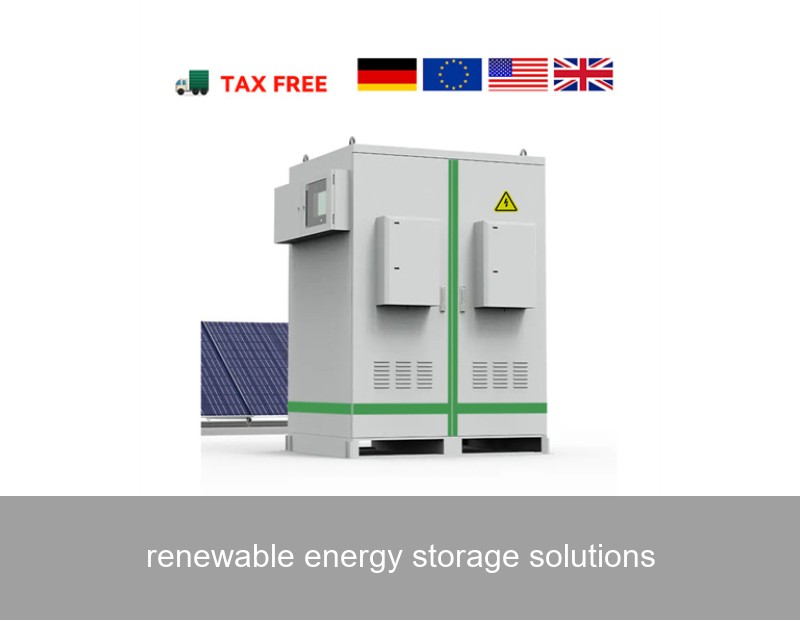
Image Source: Unsplash - A modern battery energy storage system (BESS) installation.
The Grid's New Brain: Software and Intelligence
The hardware stores the energy, but the software defines its value. Intelligent energy management systems (EMS) are what transform a battery into a smart grid asset. They can:
- Forecast energy production and consumption using weather data and AI.
- Automatically decide when to store, use, or sell energy back to the grid based on real-time pricing (a process known as arbitrage).
- Provide "grid services" like frequency regulation, helping to maintain the grid's stability—a critical need as intermittent renewables grow.
Case Study: Stabilizing a European Industrial Grid
Let's look at a real-world application. A major automotive parts manufacturer in Bavaria, Germany, faced two challenges: volatile energy costs and a need for ultra-reliable power for its precision machinery. Their on-site 5 MW solar array produced significant midday power, but their highest energy demand was in the early morning and evening.
They deployed a 4 MWh containerized battery storage system integrated with their solar PV. The results, monitored over 18 months, were compelling:
| Metric | Result | Impact |
|---|---|---|
| On-Site Renewable Consumption | Increased from 35% to 68% | Reduced grid dependence and exposure to spot market prices |
| Peak Grid Demand | Reduced by 40% | Lowered monthly grid capacity fees (a major cost for European industry) |
| Backup Power | 2 hours of full facility operation | Eliminated risk of production stoppages from short grid outages |
This case exemplifies how a tailored renewable energy storage solution addresses both economic and operational resilience, a pattern we see across our commercial and industrial projects at Highjoule.
Highjoule's Approach: Intelligent Integration
Founded in 2005, Highjoule has evolved from a component supplier to a global leader in integrated, intelligent storage systems. Our philosophy is that the true value of storage is unlocked not just by superior hardware, but by deep system integration and smart control, tailored to each client's unique energy profile.
The Highjoule Product Suite
Our solutions are designed for scalability and safety across all segments:
- Residential (H-Joule Home): A sleek, high-voltage battery system with LFP chemistry. It seamlessly integrates with new or existing solar installations, allowing homeowners to maximize self-consumption and secure backup power during outages.
- Commercial & Industrial (H-Joule C&I): Modular, containerized solutions from 100 kWh to multi-MWh scale. These systems are engineered for peak shaving, demand charge reduction, and renewable time-shifting, delivering a rapid return on investment. They feature our proprietary multi-level BMS for maximum safety.
- Utility & Microgrid (H-Joule Grid): Our largest-scale platform, designed for grid-scale storage, renewable firming, and black-start capabilities. These systems are often the cornerstone of community resilience projects and large-scale solar-plus-storage farms.

Image Source: Unsplash - Residential solar and battery storage for energy independence.
The Power of Highjoule Connect
What truly differentiates our offering is Highjoule Connect, our cloud-based energy management platform. Think of it as the mission control for your energy assets. It aggregates data from solar inverters, batteries, and grid meters, using machine learning to optimize every kilowatt-hour. For a business in a market with time-of-use rates, it can automatically schedule energy-intensive processes for off-peak hours or dispatch stored solar energy during the most expensive peak period, slashing electricity bills. You can learn more about the importance of grid flexibility from the U.S. Department of Energy's Grid Modernization initiative.
The Future of Energy Storage: Trends to Watch
The landscape is rapidly advancing. Beyond lithium-ion, technologies like flow batteries are gaining traction for very long-duration storage (8+ hours). Furthermore, the concept of virtual power plants (VPPs) is becoming reality. By aggregating thousands of distributed home batteries (like a fleet of H-Joule Home systems), a VPP can act as a single, dispatchable power plant, providing critical grid services without building new fossil-fuel plants. The National Renewable Energy Laboratory (NREL) highlights the massive potential of VPPs to enhance grid reliability. This democratizes energy, turning consumers into proactive "prosumers."
Your Energy Future: A Question of When
The transition to a renewable-powered world is inevitable. The question for every business leader, municipality, and homeowner is no longer if they will adopt renewable energy storage solutions, but when and how. The technology is proven, the economics are increasingly favorable, and the need for resilience is clearer than ever. What specific energy challenge—be it cost volatility, sustainability goals, or reliability concerns—is holding your organization back from exploring your storage potential today?
 Inquiry
 Online Chat