


PV Energy Storage Cabinet: The Smart Heart of Modern Battery Storage Systems
You've made the smart decision to install solar panels. Your roof is generating clean energy, slashing your electricity bills, and reducing your carbon footprint. But have you ever wondered what happens when the sun goes down, or on those cloudy days? This is where the true magic of a complete solar solution happens: inside the PV energy storage cabinet. More than just a box for batteries, this cabinet is the intelligent command center of your battery storage system, turning intermittent solar generation into reliable, 24/7 power independence. For homeowners and businesses across Europe and the U.S., understanding this core component is key to unlocking the full value of their renewable energy investment.
Table of Contents
- What is a PV Energy Storage Cabinet?
- Why the Cabinet is Crucial for System Performance & Safety
- Key Components Inside a High-Performance Storage Cabinet
- Real-World Impact: A Case Study from Bavaria
- Choosing the Right Battery Storage System for Your Needs
- The Future of Energy Storage Cabinets
What is a PV Energy Storage Cabinet?
Think of your solar panels as a prolific water source. The PV energy storage cabinet is the sophisticated reservoir, pump, and purification plant all in one. Its primary function is to house, manage, and protect the battery modules that store your excess solar energy. But it goes far beyond simple containment. A modern cabinet integrates critical power electronics, thermal management systems, and sophisticated software. This integrated approach ensures that the stored energy (DC electricity) is efficiently converted to usable power for your home (AC electricity), that batteries are kept at their optimal temperature for longevity and safety, and that every kilowatt-hour is used according to your priorities—whether that's maximizing self-consumption, providing backup during a grid outage, or even participating in grid services.

Image: A modern, sleek PV energy storage cabinet installation in a residential setting. Source: Unsplash
Why the Cabinet is Crucial for System Performance & Safety
The performance gap between a simple battery pack and a fully engineered battery storage cabinet is significant. Let's break down why the cabinet itself is a product of advanced engineering.
Safety First: Beyond the Battery Cell
Lithium-ion batteries are safe when properly managed, but they require rigorous safeguards. A high-quality cabinet provides passive fire protection, robust physical enclosures, and, most importantly, integrated Battery Management Systems (BMS) that constantly monitor cell voltage, temperature, and current. It's the difference between storing energy in a monitored vault versus on an open shelf. For instance, leading providers like Highjoule design their PV energy storage cabinets with multi-layer safety architectures that include active cooling, isolation monitoring, and fail-safe disconnects, ensuring compliance with stringent international standards like UL 9540 in the U.S. and IEC 62477 in Europe.
Maximizing Efficiency and Lifespan
Battery lifespan is directly tied to its operating environment and cycling patterns. An integrated cabinet with precision climate control can add years to your system's life. By maintaining an ideal temperature range (typically between 15°C and 25°C), the cabinet prevents accelerated degradation caused by heat or cold. Furthermore, the cabinet's power conversion system (inverter/charger) plays a huge role in round-trip efficiency—the percentage of energy you put in that you can actually get out. A loss of just 5% more efficiency can equate to hundreds of dollars of "lost" solar energy over the system's lifetime.
Key Components Inside a High-Performance Storage Cabinet
Opening a premium PV energy storage cabinet reveals a neatly organized ecosystem of technology. Here’s what you’ll typically find:
- Battery Modules: The actual energy storage units, usually lithium-ion (like LFP - Lithium Iron Phosphate), known for safety and long cycle life.
- Battery Management System (BMS): The "brain" of the battery pack, ensuring all cells operate in harmony and within safe limits.
- Power Conversion System (PCS): This includes the bi-directional inverter, which converts DC from the batteries to AC for your home, and AC from the solar/grid to DC for charging.
- Thermal Management System: This could be a fan-assisted air cooling system or a more advanced liquid cooling loop for high-power applications, crucial for stability.
- Safety Disconnects & Protection: Circuit breakers and contactors that manually or automatically isolate the battery for maintenance or in case of a fault.
- System Controller & Communication Hub: The overarching intelligence that connects to your solar inverter, home energy meter, and the grid, making real-time decisions on energy flow.
Companies at the forefront, such as Highjoule, take this integration further. Their IntelliCube commercial and industrial storage solution and HomePower residential series are prime examples. These systems don't just pack components together; they feature a unified software platform that allows users to set energy goals, monitor performance in real-time via an app, and even enable future-proof capabilities like virtual power plant (VPP) participation, turning a private storage asset into a grid-stabilizing tool.
Real-World Impact: A Case Study from Bavaria
Let's move from theory to practice. A compelling example comes from a medium-sized dairy farm in Bavaria, Germany. The farm had a 250 kWp solar array on its barn roofs but was struggling with two issues: high evening energy consumption for cooling and milking processes, and grid connection limitations that curtailed their solar production during peak generation hours.
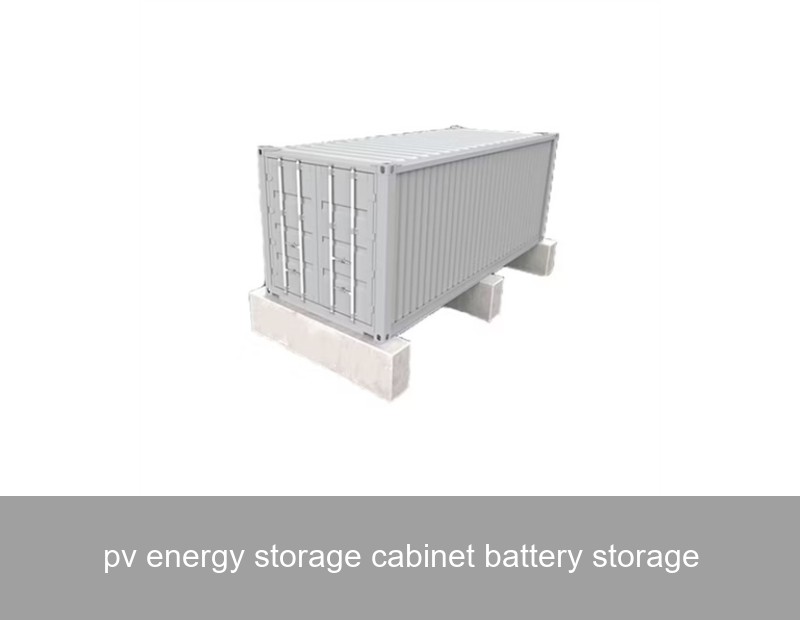
Their solution was the installation of a containerized PV energy storage cabinet system—specifically, a Highjoule IntelliCube Mega unit with 500 kWh of storage capacity. The results, monitored over one year, were striking:
| Metric | Before Installation | After Installation |
|---|---|---|
| Solar Self-Consumption | ~35% | >85% |
| Grid Energy Purchased (Peak Hours) | ~42,000 kWh/year | ~5,000 kWh/year |
| Grid Feed-in Management Curtailment | ~15% of potential generation | 0% |
| Estimated Payback Period | N/A | Under 7 years |
The cabinet's intelligent energy management system automatically shifted stored solar energy to cover the evening demand peaks, drastically reducing expensive grid imports. Furthermore, by absorbing excess midday solar production, it eliminated costly curtailment. This case, documented in part by the Fraunhofer Institute for Solar Energy Systems, highlights how the right battery storage system acts not just as a backup, but as a strategic economic tool for businesses.
Choosing the Right Battery Storage System for Your Needs
Selecting a PV energy storage cabinet is not a one-size-fits-all decision. Here are key considerations for prospective buyers in Europe and North America:
- Scalability: Can you easily add more battery modules later if your needs grow? Look for modular systems.
- Software Intelligence: The hardware stores energy, but the software creates value. Does it offer smart modes for time-of-use optimization, backup power, or grid services?
- Warranty & Lifespan: Pay close attention to the warranty terms, particularly the guaranteed end-of-warranty capacity (e.g., 70% after 10 years) and cycle life.
- Grid Services & VPP Readiness: In many regions, utilities offer incentives for allowing them to use your stored energy for grid stability. Is your system capable and certified for such programs?
- Installation & Service Network: Ensure the provider has certified installers and service support in your area. Global providers like Highjoule, with over 18 years of experience, maintain robust networks across Europe and the U.S., ensuring local support for their global technology.
The Future of Energy Storage Cabinets
The evolution of the PV energy storage cabinet is moving towards greater intelligence and grid interactivity. We're seeing the rise of "storage as a grid asset." Future cabinets will seamlessly communicate not just with your home appliances, but directly with grid operators and electricity markets. Imagine your system automatically selling stored energy back to the grid during a period of high demand and price, then recharging when electricity is cheap and green—all without you lifting a finger. This concept, known as Virtual Power Plants (VPPs), is already being piloted widely.
Furthermore, technology like solid-state batteries and advanced cell chemistry will eventually make their way into these cabinets, offering even higher energy density and safety. The cabinet's role as an integrated platform will become even more critical to harness these advancements safely and efficiently.

Image: An engineer monitoring a large-scale battery storage installation. Source: Unsplash
Your Energy, Your Control
The journey to energy independence is exciting, but it hinges on the core technology that stores and manages your power. The PV energy storage cabinet is that pivotal piece. It's the difference between just generating solar energy and truly owning your energy future. As you consider your options, ask yourself: What is my primary goal—unbreakable backup power, maximum financial return, or contributing to a more resilient grid? The answer will guide you to the perfect battery storage heart for your sustainable energy system.
What energy challenge in your home or business could a truly intelligent energy storage system solve for you today?
 Inquiry
 Online Chat