


Power Solution Technologies: The Engine of a Clean Energy Future
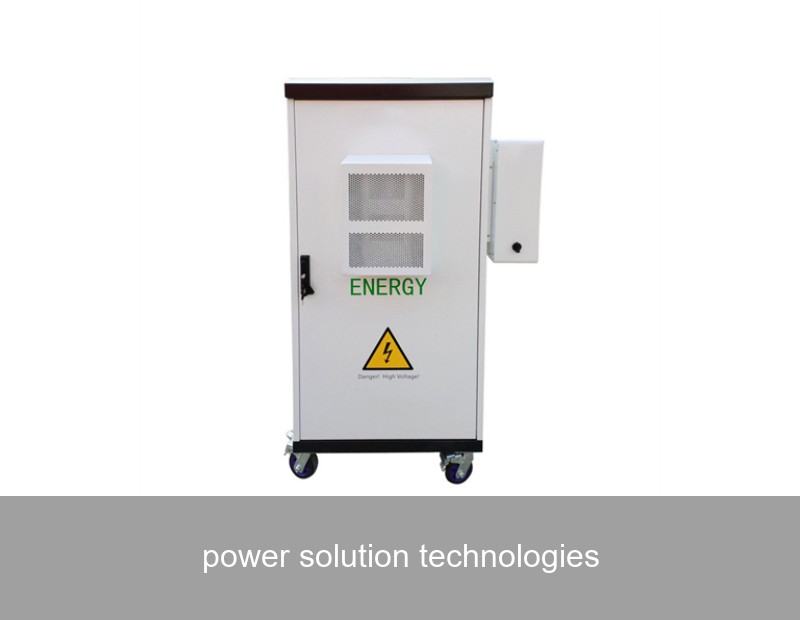
You flip a switch, and the light comes on. It's a modern miracle we often take for granted. But behind that simple action lies a complex, evolving world of power solution technologies. Today, this isn't just about keeping the lights on; it's about doing so intelligently, efficiently, and sustainably. As grids worldwide grapple with renewable integration and increasing demand, the right combination of hardware and software isn't just an advantage—it's a necessity. This article explores the key technologies shaping a resilient energy future and how they work in harmony.
Table of Contents
The Modern Energy Challenge: More Than Just Power Outages
Think about the last major storm or heatwave in your area. Chances are, news of grid strain or rolling blackouts wasn't far behind. This is the most visible symptom. The underlying phenomenon is a grid built for a different era, now facing a dual challenge: the variable nature of renewables like solar and wind, and soaring electricity demand from electrification (EVs, heat pumps, etc.). The U.S. Energy Information Administration (EIA) projects that U.S. data center electricity consumption could nearly double by 2026. This isn't sustainable with passive, one-way grid technology.
The data paints a clear picture. Without intelligent buffers and controls, adding more renewables can ironically make the grid less stable. The solution? Moving from a centralized "produce-and-consume" model to a decentralized, responsive network. This is where modern power solution technologies come into play, acting as the shock absorbers and smart controllers for our new energy reality.
Core Power Solution Technologies: The Building Blocks
Modern power solutions are ecosystems. They combine physical hardware with sophisticated software to create value far beyond simple backup power.
Solar-Plus-Storage: The Dynamic Duo
Solar panels alone are a fantastic first step. But the sun doesn't shine at night, and peak grid demand often occurs in the evening. Pairing photovoltaic (PV) arrays with battery storage creates a "solar-plus-storage" system. This technology allows you to capture excess solar energy produced at midday, store it, and dispatch it when you need it most—during peak rate periods or during an outage. It transforms solar from an intermittent source into a reliable, 24/7 power generator.

Image Source: Unsplash - A commercial solar-plus-storage installation.
Battery Energy Storage Systems (BESS): The Intelligent Heart
The Battery Energy Storage System is the cornerstone. But not all BESS are created equal. Key technology differentiators include:
- Battery Chemistry: While lithium-ion dominates for its energy density and cost-effectiveness, subtypes like Lithium Iron Phosphate (LFP) are gaining traction for their superior safety and longer cycle life, a chemistry Highjoule prioritizes in many of its solutions.
- Power Conversion System (PCS): This is the "translator" between the battery's DC power and the grid/load's AC power. Advanced, bi-directional PCS units enable seamless switching between charging and discharging.
- Thermal Management: Consistent temperature is critical for safety, performance, and battery longevity. Liquid cooling technology, featured in systems like Highjoule's NovaGrid Industrial BESS, offers more precise control than traditional air cooling, especially in demanding applications.
- Grid-Forming Inverters: This is a game-changer. Traditional "grid-following" inverters need an existing grid signal to operate. Grid-forming inverters can create a stable grid signal from scratch, essential for keeping critical facilities online during a blackout and for supporting microgrids.
Advanced Energy Management Software: The Digital Brain
Hardware is powerful, but without intelligence, it's underutilized. This is where Energy Management Software (EMS) or a dedicated platform comes in. Think of it as the conductor of the orchestra. A top-tier EMS like Highjoule's AegisOS™ performs critical functions:
| Function | Impact |
|---|---|
| Peak Shaving | Automatically discharges batteries during periods of high, expensive grid demand, slashing utility bills. |
| Arbitrage | Charges batteries when electricity prices are low (e.g., at night) and discharges when prices are high. |
| Renewable Self-Consumption Optimization | Maximizes the use of on-site solar power by storing excess instead of exporting it. |
| Grid Services Participation | Allows system owners to earn revenue by providing services like frequency regulation to the utility grid. |
| Remote Monitoring & Diagnostics | Provides 24/7 system health visibility and predictive maintenance alerts. |
From Theory to Practice: A California Case Study
Let's look at a real-world application. A mid-sized winery in California's Napa Valley faced three problems: unreliable grid power during fire-prevention Public Safety Power Shutoffs (PSPS), extremely high time-of-use electricity rates, and a corporate sustainability mandate.
The Phenomenon: PSPS events could halt production and spoil inventory. Peak demand charges from running crushing and cooling equipment were crippling.
The Data & Solution: They installed a 500 kW / 1 MWh integrated solar-plus-storage system. The BESS, with grid-forming capability, was sized to provide critical "islanding" power to the fermentation and cold storage facilities for over 8 hours.
The Outcome: In the first year:
- Energy Cost Savings: 40% reduction in overall electricity costs through peak shaving and arbitrage.
- Reliability: Successfully rode through 4 PSPS events with zero operational downtime.
- Sustainability: Increased renewable self-consumption from 35% to over 80%, dramatically reducing carbon footprint.
Highjoule's Integrated Approach to Power Solutions
Since 2005, Highjoule has moved beyond being just a hardware supplier. Our expertise lies in integrating these core technologies into tailored, intelligent systems. For a hospital, that means a focus on seamless backup transition and power quality. For a manufacturing plant, it's about peak demand charge management and process continuity. For a residential community microgrid, it's about energy sharing and resilience.
Our NovaGrid BESS, with its LFP chemistry and optional liquid cooling, provides the safe, durable foundation. It's then governed by our AegisOS™ platform, which makes the complex simple—optimizing every kilowatt-hour for economic and operational goals. We provide this complete package, from design and financing support to installation and lifetime monitoring, ensuring our clients' energy infrastructure is not just a cost, but a strategic asset.

Image Source: Unsplash - Engineer monitoring an advanced energy management system.
The Future of Power Solutions: What's Next?
The evolution is rapid. We're seeing the convergence of power solution technologies with artificial intelligence for even more predictive energy trading and load management. Virtual Power Plants (VPPs)—networks of decentralized systems like yours and mine—are becoming a reality, as noted by research from the National Renewable Energy Laboratory (NREL). Furthermore, the exploration of next-generation chemistries like sodium-ion promises to alter the raw material landscape.
The fundamental question is shifting. It's no longer "Should we invest in energy resilience?" but rather "Which combination of power solution technologies is right for my specific goals—be they financial, operational, or environmental—and how do I implement them effectively?"
What is the single biggest energy challenge your business or community is looking to solve in the next three years?
 Inquiry
 Online Chat