


Portable Generator Solar Power: The Ultimate Guide to Clean, Quiet Energy Freedom
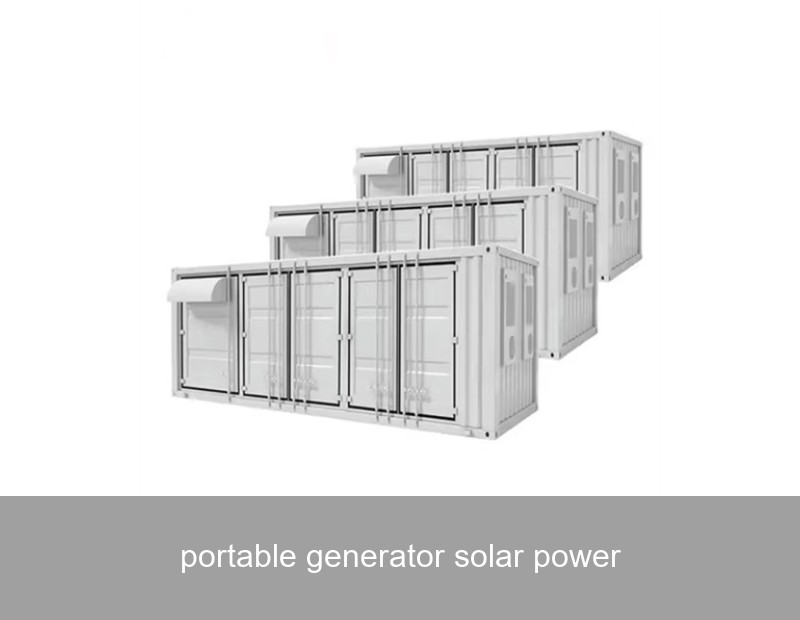
Imagine needing power in a remote location, during a grid outage, or simply for a weekend camping trip, and the only sound you hear is… silence. This is the promise of portable generator solar power. Moving beyond the noisy, fume-spewing gas generators of the past, solar-powered portable stations are revolutionizing how we access electricity off-grid. They combine the convenience of portability with the clean, renewable energy of the sun. For homeowners, adventurers, and professionals alike, understanding this technology is key to achieving true energy independence and resilience. As a leader in advanced energy storage, Highjoule has been at the forefront of integrating solar generation with intelligent battery systems since 2005, principles that directly inform the evolution of today's smart portable power solutions.
Table of Contents
- The Rise of Silent Power: Why Gas Generators Are Being Left Behind
- How Portable Solar Generator Systems Actually Work
- Key Components Breakdown: More Than Just a "Solar Panel"
- Real-World Case Study: Emergency Response in California
- Choosing the Right System for Your Needs
- The Highjoule Connection: Built on Grid-Scale Expertise
The Rise of Silent Power: Why Gas Generators Are Being Left Behind
For decades, the default solution for backup or remote power was the portable gas generator. However, users face a common trio of headaches: noise pollution that can exceed 70 decibels (akin to a vacuum cleaner running constantly), the ongoing cost and hassle of fuel, and harmful emissions that make them unusable indoors. The phenomenon is clear: as awareness of climate change and air quality grows, and as battery technology improves, demand for cleaner alternatives is skyrocketing.
Let's look at the data. A study by the U.S. Department of Energy highlights the safety risks of carbon monoxide from gas generators. Meanwhile, the portable power station market, heavily driven by solar compatibility, is projected to grow exponentially. The logic is simple: solar energy is free, abundant, and silent. A portable generator solar power system converts this free fuel into usable electricity without the negative side effects, offering a fundamentally superior user experience for a wide range of applications, from tailgating to emergency backup.

Image Source: Unsplash - A modern, quiet portable solar generator setup in nature.
How Portable Solar Generator Systems Actually Work
It's helpful to think of a portable solar generator not as a single device, but as a compact, integrated microgrid. The process follows a clean energy circuit:
- Energy Capture: Portable solar panels (often foldable or flexible) convert sunlight into Direct Current (DC) electricity.
- Energy Regulation: A charge controller manages the flow of electricity to the battery, preventing overcharging and optimizing efficiency.
- Energy Storage: DC electricity is stored in a high-density lithium-ion or LiFePO4 battery inside the portable power station. This is your energy reservoir.
- Energy Conversion & Delivery: An built-in pure sine wave inverter converts the stored DC power into standard Alternating Current (AC) for your devices. The unit then delivers power via AC outlets, USB ports, and DC carports.
This seamless integration is what makes the system "plug-and-play." Unlike a traditional gas generator that must run constantly to produce power, a solar portable generator quietly stores energy for use on demand, day or night.
Key Components Breakdown: More Than Just a "Solar Panel"
To choose wisely, you need to understand the specs:
| Component | What It Does | Key Spec to Look For |
|---|---|---|
| Portable Power Station (Battery Unit) | The heart of the system. Stores energy and provides outlets. | Capacity (Wh): Watt-hours. A 500Wh unit can run a 50W device for 10 hours. Also, Battery Chemistry: LiFePO4 batteries offer longer lifespans and better safety than standard Li-ion. |
| Solar Panel(s) | Fuel source. Converts sunlight to electricity. | Wattage (W): Higher wattage panels recharge the battery faster. Compatibility: Ensure the panel's voltage matches your power station's input requirements. |
| Inverter | Converts DC battery power to AC for household devices. | Output Waveform: A pure sine wave inverter is essential for sensitive electronics like laptops and medical equipment. Continuous Power (W): Must exceed the total wattage of devices you'll run simultaneously. |
Real-World Case Study: Emergency Response in California
The true test of any power system is during a crisis. Consider the case of a community medical clinic in Sonoma County, California, an area prone to Public Safety Power Shutoffs (PSPS) due to wildfire risk. In 2023, during a 48-hour grid outage, their traditional gas generator failed on the second day due to a fuel supply issue.
The Solution & Data: The clinic invested in a robust portable generator solar power system as a supplemental backup. The setup included a 2000Wh LiFePO4 power station and 800W of portable solar panels. During a subsequent outage:
- The system kept critical medical refrigerators (300W total) running continuously for the 36-hour event.
- It powered communication devices, LED lighting, and a small oxygen concentrator for over 8 hours a day.
- Key Metric: With 5 hours of peak sun, the solar panels replenished approximately 4000Wh of energy, effectively making the system self-sustaining and eliminating fuel anxiety.
The Insight: This case proves that portable solar isn't just for camping. For critical infrastructure, it provides a resilient, silent, and renewable backup layer that complements or even replaces fuel-dependent systems, especially in sun-rich regions like California and Southern Europe.

Image Source: Unsplash - Portable power supporting essential medical devices.
Choosing the Right System for Your Needs
Your ideal setup depends entirely on your "energy profile." Ask yourself:
- For Weekend Campers: A 300-500Wh station with a 100-200W solar panel can easily recharge phones, cameras, and run a mini-fridge.
- For Home Backup (Basics): A 1500-3000Wh unit with 400-600W of solar can power routers, lights, kitchen appliances, and medical devices for essential outage coverage.
- For Job Sites & Professional Use: Look for high-wattage output (2000W+), rugged designs, and the ability to chain multiple batteries. Fast solar recharging is crucial to keep tools running.
Remember, the "solar generator" is only as good as its battery management system (BMS). A high-quality BMS protects against overcharge, deep discharge, and overheating—this is where engineering expertise matters immensely.
The Highjoule Connection: Built on Grid-Scale Expertise
You might wonder what a company known for commercial and utility-scale storage knows about portable power. The answer is: everything about the core technology. At Highjoule, our work designing robust, intelligent Battery Energy Storage Systems (BESS) for microgrids and industrial applications directly informs the principles of reliability and efficiency we value.
While Highjoule's flagship products are large-scale systems, the same philosophy applies to portable solutions we recognize as vital: using superior battery chemistry (like LiFePO4), implementing advanced software for system monitoring and optimization, and designing for safety and longevity. Whether it's a 10 MWh grid stabilization project or a 2 kWh portable station, intelligent energy management is key. For homeowners or businesses looking to integrate portable solar with a whole-home system, Highjoule's expertise in grid-scale storage principles ensures seamless, future-proof energy solutions.
The Future of Portable Power is Integrated and Smart
The next evolution of portable generator solar power is connectivity and integration. Imagine a portable power station that communicates with your home energy management system, automatically providing backup during a peak rate event or storing excess solar from your rooftop. The lines between portable power, home storage, and grid services are blurring.
Furthermore, advancements in solar panel efficiency, like those reported by research institutions such as the National Renewable Energy Laboratory (NREL), will lead to smaller, more powerful panels that recharge units even faster. The future is a fully integrated, smart, and renewable-powered ecosystem.
So, as you consider your path to energy resilience, ask yourself this: When the grid goes down or you venture off the map, do you want to listen to the rumble of an engine, or simply enjoy the peace and quiet that comes with truly clean, solar-powered independence?
 Inquiry
 Online Chat