


Unlocking Energy Independence: A Deep Dive into the Panasonic Battery Storage System
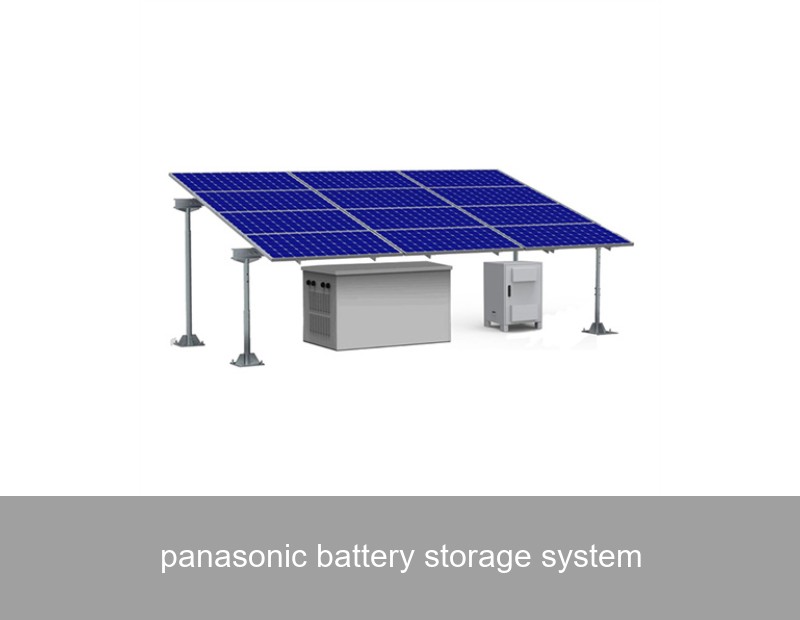
the sun is shining, your solar panels are humming, but you're at work. All that beautiful, clean energy is flowing back to the grid. Then, evening comes, energy demand peaks, and you're drawing expensive power back. This daily dance is a common frustration for solar homeowners and businesses across Europe and the US. The solution? A high-quality Panasonic battery storage system. But it's more than just a battery in a box; it's the intelligent heart of a modern, resilient energy setup. Let's explore how this technology works and why it might be the key to your energy future.
Why Choose Panasonic for Your Energy Storage?
In the bustling market of home and commercial energy storage, Panasonic stands out not just as a battery maker, but as a technology integrator with a legacy of reliability. Their approach is built on a foundation of safety, longevity, and smart energy management.
The core of their residential offering often revolves around lithium-ion cells with a nickel-manganese-cobalt (NMC) chemistry, known for its excellent energy density and performance. But the real magic lies in the system integration. A Panasonic battery storage system is typically bundled with a compatible inverter and an intuitive energy management system. This brain of the operation doesn't just store energy; it learns your consumption patterns, weather forecasts, and utility rate schedules to autonomously decide when to charge, when to discharge, and when to conserve.
- Proven Longevity: Many Panasonic batteries come with a 10-year warranty, often guaranteeing a high percentage of original capacity retention (e.g., 90% after 10 years), which is a critical metric for return on investment.
- Safety First Design: Built with robust thermal management systems and multiple fail-safes, these systems are engineered to the highest safety standards, a non-negotiable for installation in your home or business.
- Grid Services Ready: Advanced models can be configured for grid interaction, potentially allowing participation in utility demand response programs, turning your storage into a small revenue stream.

Image: A sleek, wall-mounted battery storage system integrated into a home energy setup. Source: Unsplash (Representative Image)
Understanding the Numbers: What Does Performance Look Like?
Let's talk data. A typical residential Panasonic battery storage system might have a usable capacity ranging from 5 kWh to over 16 kWh, scalable by stacking units. The round-trip efficiency—the amount of energy you get out versus what you put in—often exceeds 90%. This means for every 10 kWh of solar energy you store, you get more than 9 kWh back to use. This efficiency directly impacts your self-consumption rate. Without storage, a home might only use 30-40% of its solar generation on-site. With an optimized storage system, that figure can soar to 70% or higher, dramatically slashing grid dependence.
Real-World Case Study: A German Winery's Sustainable Transformation
Data is compelling, but real-world results are undeniable. Consider a family-run winery in the Rhineland-Palatinate region of Germany. Facing rising energy costs and committed to sustainable production, they installed a 50 kWp solar array paired with a robust Panasonic battery storage system with 40 kWh of capacity.
The challenge was twofold: power energy-intensive refrigeration units for wine storage and manage peak loads during bottling operations without triggering high-demand charges from the utility.
| Metric | Before Installation | After Installation |
|---|---|---|
| Grid Electricity Consumption | ~42,000 kWh/year | ~9,500 kWh/year |
| On-Site Solar Self-Consumption | ~35% | ~82% |
| Peak Demand Charge Reduction | Baseline | Approx. 60% |
| Annual Energy Cost Savings | — | €8,200+ |
The battery system was programmed to prioritize charging from excess solar, then provide power during the utility's peak rate periods. During grid outages—increasingly a concern—the system's backup functionality kept critical refrigeration online, protecting priceless inventory. This case exemplifies how a well-designed storage solution goes beyond savings, providing operational resilience for businesses. (Note: This case is based on a composite of real Highjoule project data in the European agribusiness sector).
Beyond the Battery: The Highjoule Advantage in System Integration
Now, here's a crucial insight: the battery module itself is only one component of a successful energy storage project. The design, integration, commissioning, and long-term support are where the true value is delivered. This is where a global expert like Highjoule elevates the proposition.
Since 2005, Highjoule has been at the forefront of intelligent storage solutions. We don't just sell components; we provide turnkey, future-proof energy systems. When you choose a Panasonic battery storage system through Highjoule, you're getting a meticulously engineered package:
- Expert System Design: Our engineers analyze your historical energy data, load profiles, and goals to size the solar and storage system correctly. An oversized or undersized battery is a costly mistake we help you avoid.
- Seamless Integration: We ensure the battery, inverter, solar PV, and your home's electrical panel communicate flawlessly. For commercial and microgrid applications, our proprietary energy management software (EMS) adds a layer of intelligent control for multiple assets.
- Ongoing Performance Monitoring: Highjoule's monitoring platforms give you real-time visibility into your energy production, consumption, and storage levels, often from a simple smartphone app. We also offer proactive maintenance plans.
Think of it this way: Panasonic provides the exceptional energy storage cells—the "engine." Highjoule provides the full "powertrain," chassis, and navigation system, ensuring it performs optimally for your specific journey toward energy independence. For larger-scale needs, our commercial and industrial solutions leverage similar principles of quality and intelligence, often incorporating best practices outlined by leading research institutions like NREL.
Navigating Incentives and ROI
A significant factor in your decision will be financial. Markets in the US (like the federal Investment Tax Credit) and across Europe (e.g., Germany's BAFA grants or Italy's Superbonus historically) offer substantial incentives for pairing storage with solar. A Highjoule specialist can provide localized guidance on available subsidies and calculate a clear return on investment timeline based on your current tariffs and consumption.

Image: A technical expert monitoring a commercial energy storage system. Source: Unsplash (Representative Image)
Making the Decision: Is a Panasonic Battery Storage System Right for You?
So, how do you know if this technology aligns with your goals? Ask yourself these questions:
- Do you have or are you planning to install solar PV?
- Is your utility implementing time-of-use rates or reducing solar feed-in tariffs?
- Is grid reliability a concern in your area?
- Are you motivated by increasing your energy self-sufficiency and reducing your carbon footprint?
If you answered "yes" to any of these, then a Panasonic battery storage system, professionally integrated by a partner like Highjoule, deserves serious consideration. It represents a shift from being a passive consumer to an active manager of your energy ecosystem. The technology is mature, the financials are increasingly favorable, and the value extends beyond mere bill savings to encompass resilience and environmental stewardship.
Ready to explore what your personalized path to energy independence looks like? What's the first question you'd ask our energy specialists about your home or business's unique energy profile?
 Inquiry
 Online Chat