


Off-Grid Power Generation: Your Complete Guide to Energy Freedom
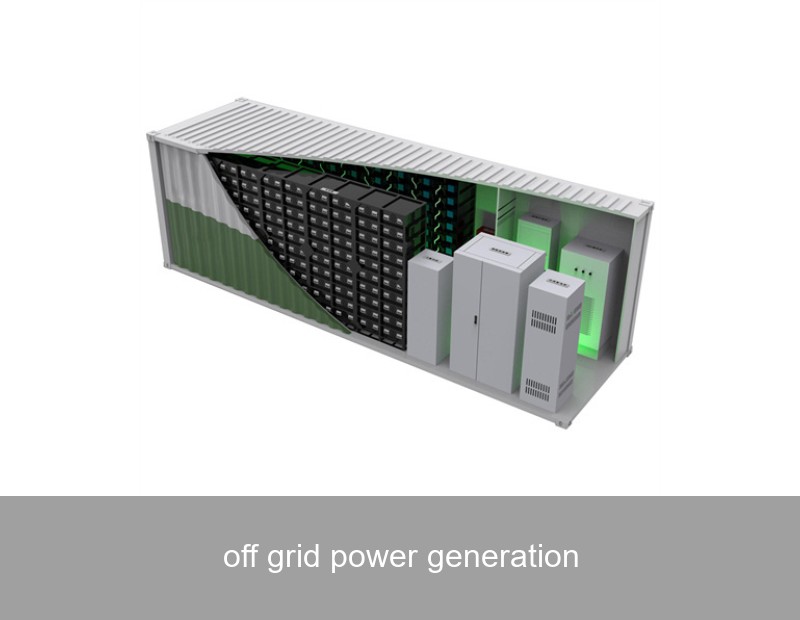
Imagine a home, farm, or business completely independent from the utility grid. No power outages, no fluctuating electricity bills, just clean, reliable power on your own terms. This is the promise of off-grid power generation, a technology moving from niche to mainstream. For homeowners in sunny California, remote researchers in the Scottish Highlands, or forward-thinking industrial sites across Europe, going off-grid is no longer just a dream—it's a viable, sustainable, and increasingly intelligent energy solution. This guide will demystify how modern off-grid systems work, showcase real-world success, and explore how companies like Highjoule are making energy independence more accessible and reliable than ever before.
Table of Contents
- What is Off-Grid Power Generation Really?
- The Core Components of a Modern Off-Grid System
- The Data: Why Off-Grid is Gaining Traction
- Case Study: Powering an Alpine Research Station
- Highjoule's Role in Advanced Off-Grid Solutions
- Is Off-Grid Power Generation Right for You?
What is Off-Grid Power Generation Really?
At its heart, off-grid power generation means creating and managing your own electricity supply without any physical connection to the public utility grid. It's total energy self-sufficiency. While the classic image might be a solitary cabin with a diesel generator, today's reality is far more sophisticated, clean, and quiet. The modern system is a symphony of generation (like solar panels), storage (advanced battery systems), and intelligent management software that ensures every watt is used efficiently.
It's crucial to distinguish this from backup power or grid-tied systems with battery storage. A backup system waits for a grid failure to activate. A true off-grid system is the primary source, operating 24/7, rain or shine. This requires robust design and components that can handle continuous cycling and varying weather conditions, which is where specialized expertise becomes critical.
The Core Components of a Modern Off-Grid System
Building a reliable off-grid system is like assembling a puzzle with four key pieces:
- Power Generation: Typically solar PV panels, often supplemented by wind or hydro turbines depending on location. The goal is to capture enough renewable energy to meet annual demand.
- Energy Storage: The heart of the system. Batteries store excess energy generated during sunny or windy periods for use at night or during calm weather. Not all batteries are created equal for this demanding application.
- Power Conversion & Management: Inverters convert the DC electricity from solar panels and batteries into the AC power your appliances use. The system's brain—the energy management system (EMS)—orchestrates everything, prioritizing loads and protecting the batteries.
- Backup Generator (Optional but Recommended): A modern, efficient generator (often fueled by biodiesel or propane) can serve as a "plan B" during extended periods of low renewable generation, ensuring absolute reliability.

A modern off-grid home utilizing solar power. Credit: Unsplash
The Data: Why Off-Grid is Gaining Traction
The trend isn't anecdotal. Let's look at the numbers. According to the U.S. Energy Information Administration (EIA), the average American household experiences just over 5 hours of power interruptions per year. But that's an average; severe weather events can cause outages lasting days or weeks. In Europe, grid modernization costs and energy security concerns are major drivers. A report by IRENA highlights that the cost of electricity from off-grid solar systems has fallen by over 80% in the last decade. Coupled with rising grid electricity prices in many regions, the economic case for off-grid living is strengthening annually.
The phenomenon isn't just about cost, though. It's about control. For businesses, a power outage can mean lost revenue, spoiled inventory, and operational chaos. For remote communities, it's a question of basic services. The data shows a clear shift towards decentralized, resilient power infrastructure.
Case Study: Powering an Alpine Research Station
Let's make this concrete. Consider the "Skywatch" atmospheric research station located at 2,800 meters in the Swiss Alps. Accessible only by helicopter for part of the year, a grid connection was impossible. Their old system relied heavily on a diesel generator, which was costly, noisy, logistically challenging to refuel, and contradicted their environmental mission.
The Challenge: Provide 24/7 reliable power for sensitive monitoring equipment, computing, and basic living quarters in an extreme environment with harsh winters and variable sunshine.
The Solution: A hybrid off-grid system was installed:
- Generation: A 25 kW solar array, mounted on a reinforced, snow-shedding structure.
- Storage: A 40 kWh lithium-ion battery bank, specifically designed for low-temperature performance.
- Backup: A compact, automated biodiesel generator that only activates when battery state-of-charge falls below 20% for three consecutive days.
- Management: An advanced EMS that prioritizes power to critical scientific instruments and can be monitored and adjusted remotely.
| Metric | Before New System | After New System |
|---|---|---|
| Annual Diesel Consumption | 4,500 liters | 400 liters |
| Estimated CO2 Reduction | Baseline | ~11.8 tonnes/year |
| Operational Cost (Energy) | High & Volatile | Reduced by 73% |
| System Autonomy (No Generator) | ~12 hours | Up to 5 days |
The result? The station now operates at over 90% renewable energy, slashing costs and its carbon footprint while gaining unprecedented reliability for its crucial research. This is the power of a well-engineered off-grid solution.
Highjoule's Role in Advanced Off-Grid Solutions
As a global leader in advanced energy storage since 2005, Highjoule doesn't just sell batteries; we engineer intelligent, resilient power ecosystems. For off-grid applications, whether a large family home in Texas, a dairy farm in Denmark, or a remote microgrid, our approach is holistic.
Our flagship product for robust off-grid scenarios is the Highjoule HiveStack modular battery system. Unlike standard batteries, the HiveStack is built from the ground up for the deep, daily cycling that off-grid life demands. Its lithium iron phosphate (LFP) chemistry offers superior safety, longevity (over 6,000 cycles), and stable performance across a wide temperature range. Each module contains its own intelligence, communicating within the "Hive" to optimize performance and simplify maintenance.
But the hardware is only part of the story. The true genius lies in the Highjoule Harmony OS energy management platform. Think of it as the conductor of your personal power orchestra. Harmony OS doesn't just react; it learns. It analyzes weather forecasts, your consumption patterns, and battery health to make predictive decisions. Should it draw the battery down a bit more tonight because a sunny tomorrow is forecast? Should it initiate a quiet, midday generator test cycle? It makes these calls automatically, maximizing renewable use and minimizing generator runtime.

Technician monitoring a modern battery energy storage system. Credit: Unsplash
For our clients, this translates to peace of mind. Highjoule provides comprehensive support from initial design and simulation through to installation and 24/7 remote monitoring. We ensure your off-grid system isn't just a collection of parts, but a finely tuned asset for energy independence.
Is Off-Grid Power Generation Right for You?
So, how do you decide? Ask yourself these questions:
- Location & Cost: Is a grid connection unavailable or prohibitively expensive (often exceeding $50,000 per mile in remote areas)?
- Reliability Needs: Do you face frequent, long grid outages, or does your operation demand 100% uptime?
- Environmental Values: Is maximizing renewable energy and minimizing fossil fuel use a core goal for you?
- Long-Term View: Are you prepared for a higher upfront capital investment that pays back over 10-20 years in avoided fuel and utility costs?
If you answered "yes" to several of these, off-grid deserves serious consideration. The next step is a detailed energy audit and feasibility study, which experts like Highjoule can provide, to model your loads, local climate, and system sizing.
Looking Ahead: The Smarter Grid of One
The future of off-grid is not about isolation, but about optimized self-reliance. We're seeing the integration of AI for even smarter load forecasting, the use of second-life EV batteries for cost-effective storage, and the development of community-based "microgrids" where several off-grid properties can share resources. The technology is evolving to make energy independence more robust and more accessible.
What energy challenge could you solve if you had complete control over your power?
 Inquiry
 Online Chat