


The Future of Sustainable Living: Embracing Modular Home Container Solutions
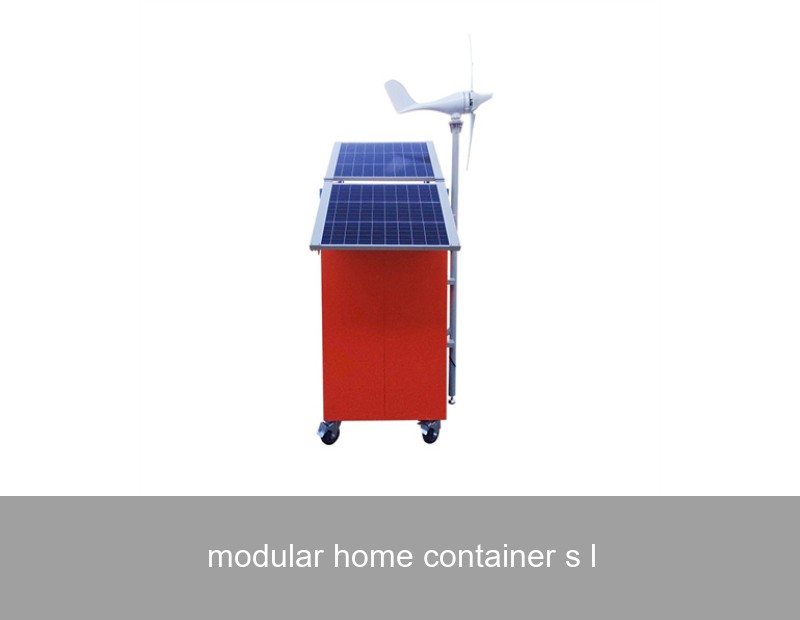
Imagine a home that is not only beautifully designed and affordable but also arrives on-site nearly complete, drastically reducing construction waste and time. This is the promise of modular home container solutions, a revolution in housing that is capturing the imagination of homeowners and builders across Europe and the US. But what truly elevates these innovative dwellings from trendy concepts to genuine future-proof homes? The answer lies in their heart: a smart, resilient, and independent power system. In this article, we'll explore how integrating advanced energy storage transforms a modular container from a simple shelter into a self-sustaining, efficient, and modern living space.
Table of Contents
- The Phenomenon: Why Modular Container Homes Are Booming
- The Hidden Power Problem: From Grid Dependency to Energy Independence
- The Data: Quantifying the Energy Needs of Modern Modular Living
- The Integrated Solution: Smart Energy Storage for Container Dwellings
- Highjoule's Role: Powering the Modular Revolution
- A Real-World Case: Off-Grid Living in the Swedish Highlands
- Key Considerations for Your Container Home Energy System
The Phenomenon: Why Modular Container Homes Are Booming
The appeal is clear. Modular home container solutions offer a faster, often more cost-effective, and undeniably eco-friendly alternative to traditional stick-built houses. By repurposing shipping containers or using purpose-built modular units, construction timelines can be slashed by 30-50%. This method significantly reduces material waste—a critical concern as the construction industry accounts for a massive portion of global landfill material. For the environmentally conscious buyer in California or the pragmatist seeking a efficient holiday home in rural France, the benefits are compelling.

Credit: Photo from Unsplash. Modern container homes seamlessly integrate with renewable energy sources like solar panels.
The Hidden Power Problem: From Grid Dependency to Energy Independence
However, this innovative housing model introduces a unique challenge: energy. Many of these homes are placed in remote, scenic locations where grid connection is prohibitively expensive or simply unavailable. Even in suburban settings, the desire for true resilience against power outages and rising electricity costs is strong. Relying solely on a diesel generator contradicts the sustainable ethos of many owners. So, the question becomes: how do you power a compact, efficient home without compromising its core principles of sustainability and independence?
The Data: Quantifying the Energy Needs of Modern Modular Living
Let's talk numbers. A typical, well-insulated 40-foot modular container home equipped with modern appliances (LED lighting, efficient HVAC, refrigerator, electronics, etc.) might consume between 15-25 kWh per day. This can vary based on climate—heating demands in Germany's winters are different from cooling needs in Texas summers.
Peak power demand, the simultaneous draw from multiple appliances, is another critical factor. Starting an air conditioner, running a microwave, and charging an electric vehicle (a common pairing with sustainable homes) can create a significant surge that a basic inverter system cannot handle. This is where undersized power systems fail, leaving homeowners in the dark.
| Appliance | Average Power Consumption (Watts) | Estimated Daily Use (Hours) | Daily Energy (kWh) |
|---|---|---|---|
| Mini-Split HVAC System | 500-1500 | 6-12 | 3.0 - 18.0 |
| Refrigerator (Energy Star) | 150 | 24 | 3.6 |
| LED Lighting (Whole Home) | 100 | 5 | 0.5 |
| Water Heater (Heat Pump) | 500 | 2 | 1.0 |
| Electronics & Miscellaneous | 300 | 6 | 1.8 |
| Total Daily Estimate | ~10 - 25 kWh | ||
The Integrated Solution: Smart Energy Storage for Container Dwellings
The optimal solution is a seamlessly integrated solar-plus-storage system. Solar panels on the roof or nearby ground mount capture clean energy. The real intelligence, however, lies in the battery energy storage system (BESS). A high-quality BESS does more than just store excess solar energy for use at night; it manages the entire home's energy flow.
- Balancing Supply & Demand: It intelligently discharges during peak consumption to avoid drawing from the grid (or a generator), saving money.
- Providing Critical Backup: In the event of a grid outage, it can power essential loads within milliseconds, ensuring comfort and safety.
- Stabilizing Power Quality: For off-grid systems, it provides clean, stable sine wave power that sensitive modern electronics require.
For a modular home container solution, the energy storage system itself should be modular, scalable, and designed for easy integration into the building's limited mechanical space.
Highjoule's Role: Powering the Modular Revolution
This is precisely where Highjoule, with nearly two decades of expertise, becomes an essential partner. We understand that the energy system for a compact, modern home cannot be an afterthought—it must be a core component of the design. Our EverFlow residential battery storage series is engineered for this new era of housing.
The Highjoule EverFlow system is a modular, wall-mounted lithium iron phosphate (LFP) battery system known for its exceptional safety and long cycle life. Its compact form factor is ideal for the utility room or an exterior wall of a container home. What sets it apart is its intelligent energy management system, which can be easily configured via a user-friendly app to prioritize solar self-consumption, provide backup power, or even participate in virtual power plant programs where available. For larger modular home container projects, such as multi-unit developments or commercial sites, our scalable GridMax C&I solutions provide the same robust reliability on a larger scale.

Credit: Photo from Unsplash. Sleek, wall-mounted energy storage systems integrate discreetly into modern home designs.
A Real-World Case: Off-Grid Living in the Swedish Highlands
Let's look at a concrete example. A family in rural Jämtland, Sweden, built a two-container home as a year-round residence. Completely off-grid, their primary challenges were limited winter sunlight and temperatures regularly dropping below -20°C. Their system integrator chose a 15 kW solar array paired with a 40 kWh Highjoule EverFlow battery system.
The results, monitored over two years, are telling:
- Energy Autonomy: The system achieved 94% annual energy self-sufficiency, relying on a backup biomass generator only during the darkest weeks of December.
- Reliability: The LFP batteries consistently performed in the cold climate, with the system's built-in thermal management ensuring optimal operation.
- Cost Savings: By avoiding a $45,000 grid extension cost and minimizing generator fuel, the ROI for the entire solar-plus-storage system was calculated at under 8 years.
This case, documented in part by the International Energy Agency's reports on renewables integration, highlights how the right storage solution is the linchpin for off-grid success.
Key Considerations for Your Container Home Energy System
Planning your system requires careful thought. Here are the essential steps:
- Audit Your Energy Profile: List all appliances and estimate daily use. Don't forget seasonal variations!
- Size Your Solar Array First: Maximize your roof/land potential for solar generation. A local installer can provide precise yield estimates.
- Right-Size the Battery: Your storage should cover your critical nighttime load and several days of autonomy for cloudy periods. Modular systems like Highjoule's allow you to start with a base capacity and expand later.
- Choose an Intelligent Inverter/Manager: This is the brain. Ensure it can manage PV input, battery charging/discharging, and grid/generator interaction seamlessly.
- Professional Integration is Key: Work with an installer experienced in off-grid or hybrid systems. Proper wiring, communication setup, and safety protocols are non-negotiable.
For deeper technical insights, resources like the U.S. Department of Energy's Energy Saver guide provide excellent foundational knowledge.
Conclusion: More Than a Home, A Personal Power Plant
A modular home container solution represents a conscious choice for efficiency, sustainability, and freedom. By integrating a smart, robust energy storage system from the outset, you are not just building a house; you are creating a resilient personal power plant. It’s the final, crucial module that unlocks the full potential of modern, modular living.
Is your modular home project designed to be truly energy-independent, and what would complete energy resilience allow you to achieve in your ideal location?
 Inquiry
 Online Chat