


Micro Battery Off-Grid System: Your Complete Guide to Energy Independence
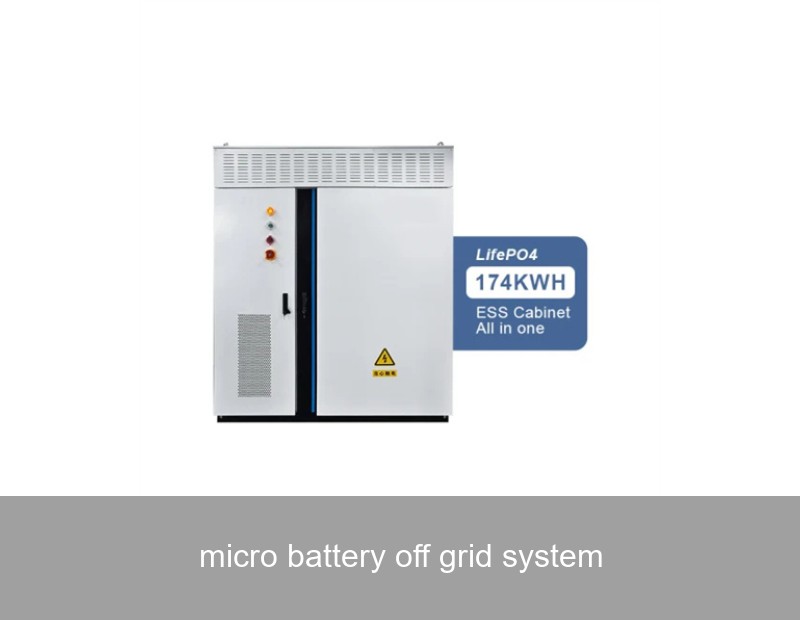
Imagine a power outage hits your remote cabin, your off-grid farm, or even your primary home. The lights go out, the refrigerator hums to a stop, and essential communication is lost. Now, imagine a different scenario: a compact, intelligent system silently takes over, keeping your lights on and your life running smoothly. This is the promise of a modern micro battery off-grid system. Far from the bulky, noisy generators of the past, today's solutions are sleek, software-driven, and incredibly efficient. For homeowners, businesses, and communities seeking true energy autonomy, understanding and implementing a robust micro off-grid system is no longer a niche dream—it's a practical and empowering reality. As a leader in advanced energy storage since 2005, Highjoule has been at the forefront of this revolution, designing smart, integrated systems that make sustainable energy independence accessible and reliable.
Table of Contents
- What is a Micro Battery Off-Grid System?
- Why Consider an Off-Grid System Now? The Data Speaks
- Key Components of a Reliable System
- A Real-World Case Study: Resilience in the Swiss Alps
- Choosing the Right System: Insights from Highjoule
- Your Path to Energy Independence
What Exactly is a Micro Battery Off-Grid System?
Let's break it down. An "off-grid" system operates completely independently from the main public electricity grid. "Micro" refers to its scale—typically designed to power a single home, a small business, a telecom tower, or an agricultural site. The heart of this system is the battery energy storage system (BESS), which stores electricity generated from renewable sources like solar panels or small wind turbines.
Think of it as a self-contained energy ecosystem. Solar panels capture energy during the day, the battery stores excess power for use at night or during cloudy periods, and an inverter converts the stored DC power into usable AC power for your appliances. A sophisticated energy management system acts as the brain, optimizing every watt-hour for efficiency and longevity. Companies like Highjoule specialize in integrating these components into seamless, turnkey solutions such as the Highjoule Solis-IQ Home Hub, which combines high-density lithium ferro phosphate (LFP) batteries, a hybrid inverter, and AI-driven management software in one compact unit, perfectly suited for off-grid applications.

Image Source: Unsplash - A modern off-grid home utilizing solar and battery storage.
Why Consider an Off-Grid System Now? The Data Speaks for Itself
The trend towards decentralized energy is accelerating, and it's not just about remote locations. Here’s the "why" behind the surge.
Phenomenon: Increasing grid instability due to extreme weather events, aging infrastructure, and rising electricity demand is pushing consumers to seek backup and independence.
Data: According to the U.S. Energy Information Administration (EIA), the average U.S. customer experienced just over eight hours of power interruptions in 2021, with major events being a primary driver. In Europe, energy security concerns have intensified, driving investment in self-sufficiency. Furthermore, the cost of lithium-ion batteries has plummeted by nearly 90% over the past decade, making storage systems more accessible than ever.
Case/Insight: It's no longer just about backup; it's about primary power. For a new construction in a grid-connection-expensive area, installing an off-grid system from the start can be more cost-effective than paying tens of thousands to extend power lines. This is where Highjoule's expertise shines, offering scalable solutions like the Highjoule TerraMax Commercial Series, which can be configured from 30 kWh to multi-megawatt-hour capacities, providing clean, reliable primary power for businesses and microgrids.
Key Components of a Reliable Micro Off-Grid System
Building a system that lasts requires more than just buying parts off a shelf. It requires intelligent integration.
| Component | Role | What to Look For |
|---|---|---|
| Energy Generation (Solar/Wind) | Primary source of power. | High-efficiency panels, proper sizing for location and seasonal load. |
| Battery Storage (BESS) | Stores excess energy for use when generation is low. | LFP chemistry for safety & longevity (6,000+ cycles), depth of discharge, warranty. |
| Inverter/Charger | Converts DC to AC; manages battery charging from multiple sources. | True hybrid off-grid inverter, high surge capacity for motors, grid-forming capability. |
| Energy Management System (EMS) | The "brain" that optimizes production, storage, and consumption. | AI-based forecasting, load prioritization, remote monitoring & control. |
| Backup Generator (Optional) | Provides backup during extended periods of low renewable generation. | Auto-start capability, sized correctly to recharge batteries efficiently. |
Highjoule systems, such as the Highjoule Nexus Microgrid Controller, excel by deeply integrating these components. The controller doesn't just connect them; it learns your energy usage patterns, weather forecasts, and automatically chooses the most economical and efficient operation mode, whether it's drawing from solar, battery, or a backup generator.
A Real-World Case Study: Resilience in the Swiss Alps
Let's move from theory to a tangible example. Consider a mountain refuge lodge in the Swiss Alps, accessible only by cable car. Connecting to the main grid was prohibitively expensive and logistically challenging.
The Challenge: Provide 24/7 reliable power for lighting, refrigeration, communication, and guest amenities in a harsh environment with heavy snowfall and variable sunlight.
The Highjoule Solution: A custom-designed micro battery off-grid system was installed, featuring:
- A 45 kWp solar array mounted on the south-facing rock face.
- Two Highjoule TerraBase 50 kWh LFP battery racks, providing a total of 100 kWh of usable storage.
- A paralleled inverter system capable of handling high surge loads from kitchen equipment.
- The Highjoule Nexus controller, programmed for winter optimization (prioritizing battery preservation during predicted low-sunlight days).
The Result & Data: Since commissioning, the lodge has achieved 99.8% energy availability. The system runs generator-free for over 9 months of the year. During the deepest winter months, a small biodiesel generator auto-starts only for brief periods to top up the batteries, reducing fuel consumption by over 85% compared to a generator-only system. The lodge's operational costs have plummeted, and its sustainability story has become a unique selling point for guests.

Image Source: Unsplash - Example of a remote alpine building suitable for an off-grid system.
Choosing the Right System: Key Insights from Highjoule's Experience
Based on thousands of deployments worldwide, here are the critical questions to ask when planning your system:
1. What is Your True Load Profile?
Don't guess. Log your energy use for a week. That espresso machine or water pump has a huge starting surge. An undersized inverter will trip constantly. Highjoule's design team always starts with a detailed load audit to ensure every motor start and midnight fridge cycle is accounted for.
2. How Many Days of "Autonomy" Do You Need?
Autonomy is the number of days your system can run without sun or generator input. A home in sunny Arizona might need 2 days; an alpine lodge might need 5. More autonomy means a larger, more expensive battery bank. Smart design balances cost with realistic weather patterns.
3. What is the Total Cost of Ownership (TCO)?
Look beyond the upfront price. A cheaper battery with a 3-year warranty and 2000-cycle life will need replacement far sooner than Highjoule's LFP batteries, which come with a 10-year warranty and a 6000+ cycle rating. The TCO of the premium product is often lower.
4. Can It Grow With You?
Modularity is key. Can you easily add more battery capacity or solar panels later? Highjoule's architecture uses stackable, plug-and-play battery modules, allowing you to scale your storage incrementally as your needs or budget grow.
Your Path to Energy Independence
The technology for robust, quiet, and clean energy independence is here and proven. Whether you're building a new home beyond the utility lines, securing a critical business operation, or simply taking a definitive step towards personal sustainability, a well-designed micro battery off-grid system is a powerful solution.
What's the first energy-dependent item you would want to secure if the grid went down tomorrow, and how would that priority shape the design of your own off-grid system?
 Inquiry
 Online Chat