


LG Off-Grid Solar System: A Complete Guide to Energy Independence
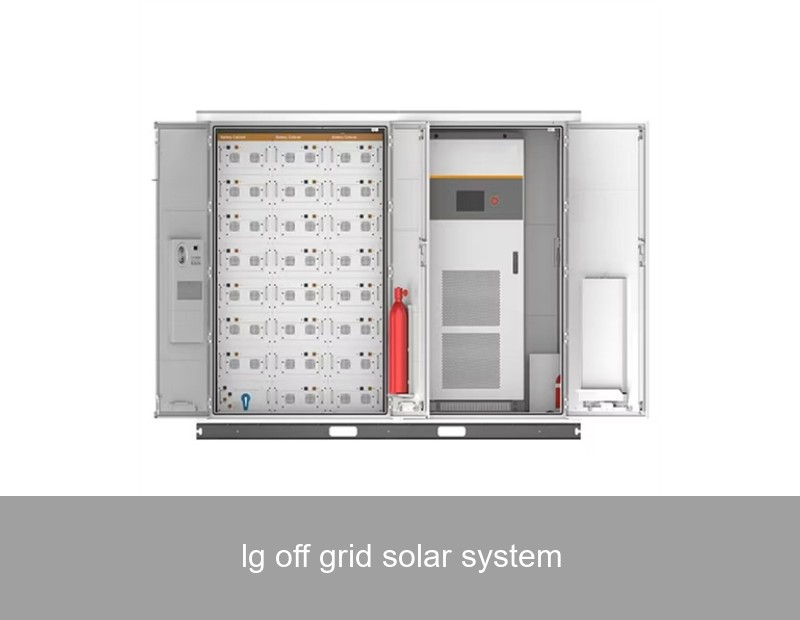
Dreaming of true energy freedom? An LG off-grid solar system is often the first name that comes to mind for homeowners and businesses seeking to disconnect from the utility grid entirely. But what does it truly take to build a reliable, high-performance off-grid power solution? As energy prices soar and grid reliability becomes a growing concern, especially in rural areas of the US and Europe, moving off-grid is more than a trend—it's a strategic move toward resilience and sustainability. This guide will walk you through everything you need to know, from core components to real-world performance, and how pairing premium panels with a truly intelligent storage system is the key to success.
Table of Contents
What is an LG Off-Grid Solar System?
At its heart, an LG off-grid solar system is a standalone power generation and storage setup that uses LG brand solar panels as its primary energy source. Unlike grid-tied systems, it has no physical connection to the public electricity network. It must generate, store, and manage every watt of power it consumes. This independence is its greatest strength—and its core design challenge. The system must be meticulously sized to handle daily energy needs and seasonal weather variations, from sunny summer days to dark, stormy winters common in parts of Northern Europe and the Pacific Northwest.
It's crucial to understand that "LG off-grid system" typically refers to the solar panel brand. The system's overall reliability and intelligence are determined by the other critical components: the battery storage, inverter, and energy management system.
Core Components of a Modern Off-Grid System
A robust off-grid setup is an integrated ecosystem. Here’s what makes it work:
- Solar Panels (e.g., LG NeON® series): High-efficiency modules that convert sunlight into DC electricity. LG panels are renowned for their durability and performance in low-light conditions.
- Battery Energy Storage System (BESS): The heart of off-grid living. This stores surplus solar energy for use at night or during poor weather. Not all batteries are created equal for the rigorous cycle demands of off-grid use.
- Inverter/Charger: A multi-function device that converts DC power from panels and batteries to AC for home appliances, while also managing the battery charging process.
- Charge Controller: Protects batteries from overcharging by regulating the voltage and current from the solar array.
- Energy Management System (EMS): The "brain." A smart EMS, like the one integrated into Highjoule's H-PowerCube, dynamically allocates power, prioritizes loads, and ensures system health, which is absolutely critical for off-grid reliability.
The Critical Role of Intelligent Storage
While premium panels like LG's provide excellent input, the storage system dictates your lifestyle. An undersized or poorly managed battery bank leads to "blackout days." This is where specialized providers like Highjoule add immense value. Since 2005, Highjoule has engineered advanced storage solutions specifically for demanding applications. Our H-PowerCube series is not just a battery container; it's an integrated, software-driven power station designed for off-grid and microgrid resilience, seamlessly integrating with various solar panel brands, including LG.
Why Choose LG Solar Panels for Off-Grid?
LG Electronics built a strong reputation in the solar industry for quality and performance, making their panels a popular choice for off-grid enthusiasts who prioritize longevity. Key advantages include:
| Feature | Benefit for Off-Grid |
|---|---|
| High Efficiency (>22%) | Generates more power in limited roof space, crucial for meeting all energy needs. |
| Proven Durability | Withstands harsh weather (snow, wind, hail), reducing maintenance risks in remote locations. |
| Excellent Low-Light Performance | Captures energy on cloudy days, a vital trait in climates like the UK or Germany. |
| Strong Warranty | 25-year product and performance warranties provide long-term peace of mind. |
However, it's important to note that LG exited the solar panel business in 2022. While panels are still available through distributors and come with their existing warranties, the future supply is finite. This shift underscores the importance of choosing a storage partner with a long-term commitment to the industry and robust service networks in your region.
The Missing Link: Beyond the Panels
The most common pitfall in planning an LG off-grid solar system is focusing solely on the panels. The real engineering marvel lies in the storage and software. A system with top-tier panels but a basic, commoditized battery and inverter will underperform.
This is Highjoule's expertise. We focus on the "power brain." Our H-PowerCube integrates UL-listed lithium-ion battery modules (compatible with various chemistries, including LiFePO4 for superior safety and cycle life), a high-efficiency hybrid inverter, and our proprietary Adaptive Grid OS™. For an off-grid home, this software is transformative. It learns energy usage patterns, automatically starts a backup generator if needed (and manages it efficiently), and allows remote monitoring and control via a smartphone app—a game-changer for managing a remote property.

Image Source: Unsplash (Photographer: American Public Power Association) - A well-designed off-grid home requires seamless integration.
Case Study: Off-Grid Living in the Scottish Highlands
Let's look at real data. A family in the remote Scottish Highlands sought to upgrade their aging diesel-generator-dependent cottage to a clean, autonomous system.
- Challenge: Extreme weather, very low winter solar irradiance (averaging <0.5 kWh/m²/day), and no grid connection for backup.
- Solution: A 12 kW array using high-efficiency LG panels paired with a Highjoule H-PowerCube 20 (20 kWh storage capacity) and a integrated diesel generator as a weather-triggered backup.
- Results: The system was commissioned in 2022. Data from the first full year shows:
- 98% Energy Independence: Generator runtime reduced by over 95%, used only during prolonged winter storms.
- Smart Management: The Adaptive Grid OS™ pre-heats the home and charges batteries to 100% when a severe weather front is forecast, optimizing generator use.
- ROI: Projected payback vs. ongoing diesel costs and grid connection fees is under 7 years.
"The intelligence of the Highjoule system is what makes our LG panels work so effectively here. It's not just storing power; it's making smart decisions we never could manually," noted the homeowner. This case highlights that success in low-light climates depends on the synergy between premium generation and intelligent storage.
Key Design & Financial Considerations
Designing a reliable system requires careful planning:
1. Accurate Energy Audit:
Every watt counts. You must calculate your daily and seasonal kWh consumption, accounting for all loads, including heating, water pumps, and EV charging if planned. Underestimating is the primary cause of off-grid system failure. Resources like the U.S. Department of Energy's planning guide can be a helpful starting point.
2. Storage Sizing for Autonomy Days:
How many consecutive cloudy days must you weather? In Southern Europe, 2-3 days of autonomy may suffice. In Northern climates, 5-7 days is often recommended. This directly dictates your battery bank size. Highjoule's design team uses granular climate data and load profiles to model this precisely, avoiding both costly oversizing and risky undersizing.
3. Incentives and Total Cost:
While true off-grid systems often don't qualify for net-metering incentives, other programs exist. In the USA, the federal Investment Tax Credit (ITC) now applies to standalone storage (with certain criteria). In parts of Europe, grants for energy self-sufficiency are available. The total investment for a robust residential system typically ranges from $40,000 to $80,000+, but when compared to the cost of extending a utility grid line (which can exceed $100,000 per mile), it becomes a compelling economic choice.

Image Source: Unsplash (Photographer: Andreas Gücklhorn) - Professional installation is key.
The Future of Off-Grid Technology
The off-grid landscape is evolving from mere survival to sophisticated energy independence. We see a clear trend towards integrated modular systems that simplify design and installation. Highjoule is at the forefront of this with our containerized Microgrid Solutions for larger commercial and community applications. Furthermore, AI-driven energy prediction, using local weather data, will further optimize battery usage and generator dispatch, squeezing every possible watt from your solar array, whether it uses LG or another premium panel brand.
Ultimately, building a resilient LG off-grid solar system—or any premium off-grid system—is about partnership. It's about pairing trusted generation components with a storage and management platform built for the unique stresses of off-grid life. It requires a provider who thinks beyond the specification sheet to your actual daily life and long-term security.
Ready to Explore Your Path to Energy Independence?
What specific challenge is driving your consideration of an off-grid solution—is it remote location costs, a desire for absolute resilience, or a commitment to a carbon-neutral lifestyle? How do you envision your energy system adapting to your life over the next 20 years?
 Inquiry
 Online Chat