


Leading Renewable Energy Companies: Powering a Sustainable Future
As the world accelerates its transition away from fossil fuels, the spotlight isn't just on generating clean power, but on managing it intelligently. This is where leading renewable energy companies are truly differentiating themselves. It's no longer just about who installs the most solar panels or wind turbines; it's about who provides the most reliable, efficient, and integrated energy solutions. The real game-changer? Advanced energy storage systems that turn intermittent sunshine and wind into a dependable 24/7 power source. Let's explore how this evolution is reshaping our energy landscape.
Table of Contents
The Storage Imperative: Beyond Generation
Think about it: the sun sets, the wind calms. What happens to the factory, the hospital, or the data center running on that clean power? This intermittency is the fundamental challenge renewable energy faces. Leading renewable energy companies have recognized that the next frontier isn't merely megawatts of capacity, but megawatt-hours of stored energy. The mission has evolved from simply supplying green power to ensuring grid stability, maximizing self-consumption, and providing backup power resilience.
This shift is particularly critical in markets like Europe and the U.S., where grid modernization, energy security concerns, and ambitious decarbonization goals converge. Businesses and communities aren't just asking for renewable energy; they are demanding energy independence and predictability. This creates a pivotal role for specialized providers who master the complex interplay between generation, storage, and smart software.

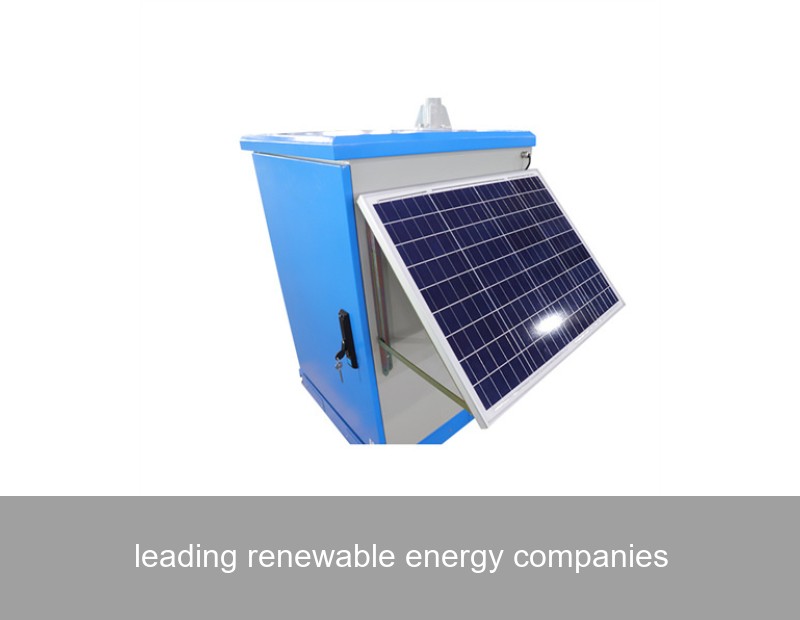
Image: Modern solar-plus-storage installations are becoming the standard for reliable renewable energy. Credit: Unsplash.
The Data: Why Storage is the Linchpin
Let's look at the numbers. According to the U.S. Energy Information Administration (EIA), battery storage capacity in the U.S. is projected to surge significantly, driven by its critical role in grid reliability. In Europe, the European Association for Storage of Energy (EASE) estimates that to meet its 2030 climate targets, the EU needs a tenfold increase in energy storage capacity. This isn't a niche trend; it's a systemic requirement.
The economic argument is equally compelling. Without storage, excess solar energy generated at midday is often sold back to the grid at low prices, only for users to buy back expensive power in the evening. This "duck curve" phenomenon is a well-known grid management challenge. By pairing generation with storage, businesses can:
- Increase self-consumption of solar power from ~30-40% to over 80%.
- Reduce peak demand charges, which can constitute up to 50% of a commercial electricity bill.
- Provide uninterrupted power during outages, protecting operations and revenue.
These tangible benefits are why forward-thinking organizations are now evaluating energy partners not just on their panels, but on their brainpower—the intelligence of their storage and energy management systems.
Case Study: A Bavarian Industrial Park's Transformation
Let's ground this in a real-world example. A mid-sized manufacturing park in Bavaria, Germany, was committed to sustainability but struggled with the volatility of its solar investment. Despite a 1.2 MW rooftop solar array, it was still importing over 60% of its power from the grid during early mornings, evenings, and cloudy days, facing high time-of-use tariffs.
Their solution involved partnering with a system integrator who deployed a Highjoule H-Series commercial battery storage system with a capacity of 500 kWh/750 kVA. The system was integrated with the existing solar infrastructure and controlled by Highjoule's proprietary Energy Management System (EMS) platform, AegisAI.
The results, measured over 12 months, were striking:
| Metric | Before Storage | After Storage + AegisAI |
|---|---|---|
| Solar Self-Consumption | 38% | 89% |
| Grid Energy Import (Peak Hours) | 100% of peak need | 15% of peak need |
| Annual Energy Cost Savings | Baseline | €72,000 |
| CO2e Footprint Reduction | ~285 tons/year | ~410 tons/year |
The AegisAI platform dynamically optimized energy flow based on real-time electricity prices, consumption patterns, and weather forecasts. The system also provided seamless backup power for critical assembly lines, preventing costly downtime. This case exemplifies how the new generation of leading renewable energy companies deliver value through integrated hardware and software, transforming a capital expense into a strategic asset with a clear ROI.
The Highjoule Advantage: Intelligent Storage Solutions
At Highjoule, our journey since 2005 has been focused on solving this exact puzzle: how to make renewable energy reliable and economically optimal. We've evolved from a component supplier to a global provider of intelligent, turnkey energy storage solutions for commercial, industrial, residential, and microgrid applications. Our philosophy is that a battery is more than just a container for electrons; it's the intelligent heart of a modern energy system.
Our product ecosystem is designed to meet diverse needs:
- H-Series Commercial & Industrial (C&I) Systems: Scalable, containerized or modular solutions built with lithium iron phosphate (LFP) battery chemistry for maximum safety and longevity. They are engineered for peak shaving, energy arbitrage, and backup power.
- Residential Energy Hub: An all-in-one unit that combines storage, inverter, and smart management for homeowners, maximizing solar self-sufficiency and providing peace of mind during grid outages.
- AegisAI Energy Management Platform: The brain behind the hardware. This cloud-based platform uses predictive algorithms and machine learning to optimize energy decisions, providing visibility and control via an intuitive dashboard. It can even participate in grid services like frequency regulation where markets allow.
- Microgrid Controllers: For campuses, remote communities, or critical facilities, our controllers seamlessly orchestrate solar, storage, generators, and the grid to create a resilient, independent energy network.
What sets Highjoule apart is our deep system integration expertise. We understand that every facility's load profile, tariff structure, and sustainability goals are unique. Our solutions are not off-the-shelf boxes but tailored systems designed to deliver specific financial and operational outcomes. As the International Energy Agency (IEA) highlights, system integration and smart controls are key to unlocking storage's full value.
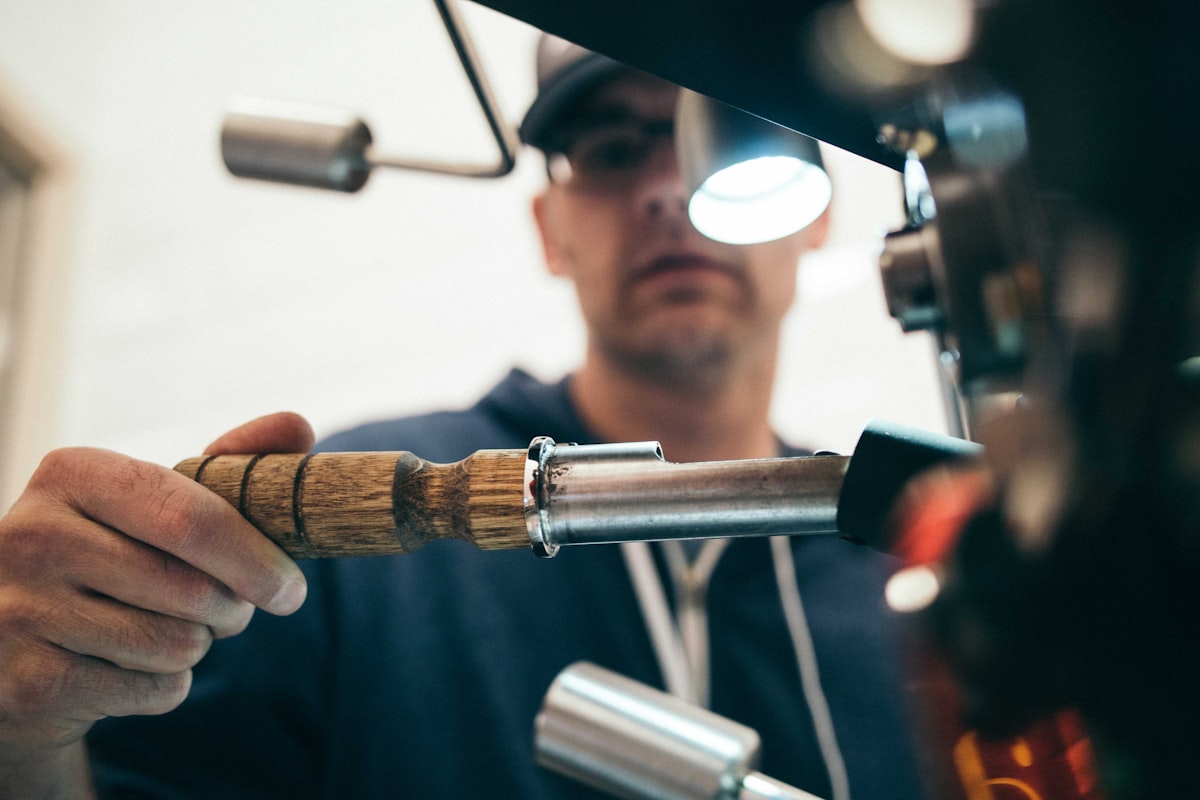
Image: Intelligent control systems are crucial for managing complex energy flows. Credit: Unsplash.
Safety and Sustainability by Design
For us, being a leader means prioritizing safety and lifecycle sustainability. Our LFP batteries are inherently more stable than other chemistries. Our systems feature multi-layer protection (electrical, thermal, and software-based) and are certified to the highest international standards. Furthermore, we have a dedicated battery recycling partnership program, ensuring that at end-of-life, materials are recovered responsibly, closing the loop on a truly sustainable product.
Future-Proofing Your Energy Strategy
The energy landscape is shifting from a centralized, one-way grid to a decentralized, interactive network of "prosumers" — those who both produce and consume energy. In this new paradigm, your energy infrastructure is a strategic investment. Whether you're a factory manager in Ohio, a supermarket chain in France, or a municipality planning a microgrid, the question is no longer if you need storage, but how to implement it most effectively.
The most successful projects partner with technology providers who offer not just hardware, but long-term performance intelligence and support. It's about building a resilient, cost-effective, and sustainable energy foundation for the decades ahead.
So, as you evaluate leading renewable energy companies for your next project, we invite you to look beyond the generation source. Ask them: How will your solution ensure my power is reliable when the sun isn't shining? How will your intelligence platform adapt to changing tariffs and my consumption patterns? And how will you prove the ROI, not just in kilowatt-hours, but in operational resilience and achieved sustainability goals?
What is the first step your organization could take to move from being a passive energy consumer to an active manager of your own clean, reliable, and cost-effective power?
 Inquiry
 Online Chat