


Innovations in Energy Storage: Powering a Resilient and Renewable Future
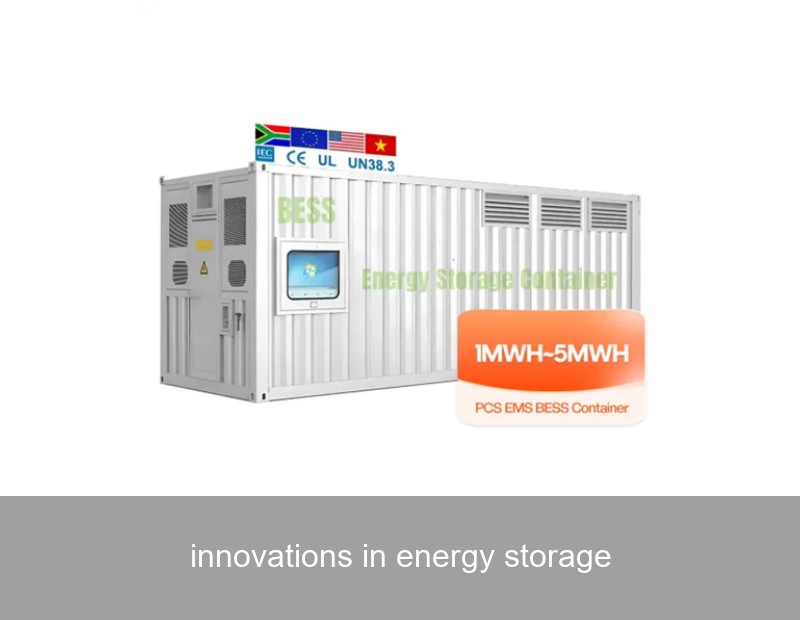
Imagine a world where the sun doesn't shine at night, and the wind takes an occasional day off. This isn't a plot for a sci-fi novel; it's the daily reality of our renewable energy grids. The phenomenal growth of solar and wind has brought us to a critical juncture. We've mastered generating clean electricity, but the true challenge lies in innovations in energy storage—the ability to capture that abundance and deliver it precisely when and where it's needed. For businesses, communities, and entire nations, the next wave of energy independence hinges not just on generation, but on intelligent storage solutions that act as the linchpin for stability, efficiency, and cost control.
This article delves into the groundbreaking advancements transforming energy storage from a simple backup solution to the dynamic, intelligent core of modern power systems. We'll explore the new chemistries promising safer, longer-lasting batteries, the software brains that optimize every kilowatt-hour, and the technologies designed to store energy for seasons, not just hours. The energy landscape is shifting, and storage innovation is leading the charge.
Beyond Lithium-Ion: The Next Generation of Battery Chemistries
For years, lithium-ion batteries have been the workhorse of the storage revolution, powering everything from smartphones to EVs to grid-scale projects. But as demands grow for higher safety, longer lifespan, and less reliance on critical minerals, the innovation spotlight has expanded. The next chapter of innovations in energy storage is being written in labs and pilot projects with alternative chemistries.
- Solid-State Batteries: By replacing the flammable liquid electrolyte with a solid material, these batteries promise a dramatic leap in safety and energy density. Imagine storage systems with virtually no fire risk, capable of storing more power in a smaller footprint—a game-changer for space-constrained commercial and industrial sites.
- Iron-Air and Zinc-Based Batteries: Here, the focus shifts to abundance and cost. Using materials like iron, air, and zinc, these technologies aim for ultra-low-cost, long-duration storage. They are particularly exciting for storing excess renewable energy over multiple days, addressing one of the most significant hurdles in a fully decarbonized grid. Research from institutions like NREL highlights their potential for multi-day discharge cycles.
- Advanced Lithium-Ion Variants: Innovation within the lithium-ion family hasn't stalled. New cathode and anode designs, such as lithium iron phosphate (LFP), are already commercial realities. LFP batteries offer enhanced thermal stability, longer cycle life, and avoid cobalt, making them a robust and ethically sound choice for large-scale deployments.
At Highjoule, we actively integrate these evolving technologies into our solution architecture. Our H-Series Commercial & Industrial (C&I) systems are chemistry-agnostic, designed to adapt to the optimal battery cell technology for the application—whether prioritizing supreme safety with LFP today or ready to integrate solid-state modules tomorrow. This future-proof approach ensures our clients' investments remain at the cutting edge.
The Software Brain: How AI is Revolutionizing Grid Management
The most advanced battery hardware is only as good as the intelligence that controls it. This is where a critical layer of innovations in energy storage comes into play: sophisticated Energy Management Systems (EMS) powered by artificial intelligence and machine learning. Think of it as the difference between a simple battery and a smart, profit-generating asset.
Modern AI-driven EMS platforms can:
- Predict energy generation and consumption patterns with remarkable accuracy.
- Automatically decide the most economical moments to store energy, use it on-site, or sell it back to the grid (a process known as arbitrage).
- Provide vital grid services like frequency regulation, stabilizing the network for everyone and creating new revenue streams for storage owners.
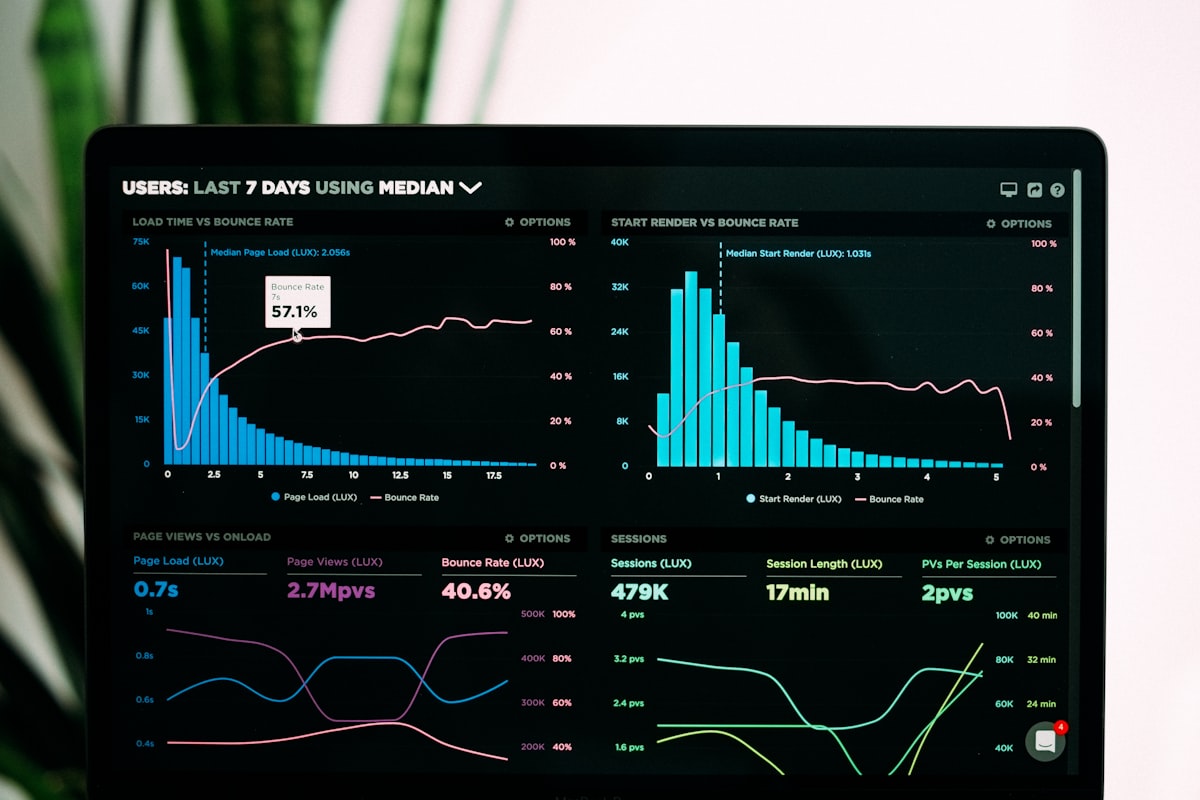
Highjoule's proprietary Neuron OS™ platform embodies this innovation. It doesn't just monitor; it learns and optimizes in real-time. For a manufacturing plant, Neuron OS™ can seamlessly synchronize storage dispatch with production schedules and volatile utility rates, turning energy from a fixed cost into a manageable, strategic variable. This software layer is what transforms a capital expense into a dynamic financial tool.
Taming Intermittency: The Rise of Long-Duration Energy Storage (LDES)
While batteries excel at shifting energy over hours, what about weeks or even seasons? This is the frontier of long-duration energy storage (LDES)—technologies capable of discharging for 10+ hours to several days. True grid resilience and a 100% renewable future depend on these innovations in energy storage.
| Technology | Duration | Key Principle | Development Stage |
|---|---|---|---|
| Flow Batteries (Vanadium, Zinc-Bromine) | 4-12+ hours | Energy stored in liquid electrolytes in external tanks | Commercial Deployment |
| Compressed Air Energy Storage (CAES) | Days | Uses surplus power to compress air in underground caverns | Mature (Limited Sites) |
| Green Hydrogen / Power-to-X | Seasonal | Electrolysis converts water to hydrogen for storage and later use | Pilot / Early Commercial |
| Gravity Storage | Hours to Days | Uses excess energy to lift heavy masses, releasing it by lowering them | Demonstration |
For microgrids and remote communities, LDES is the key to energy security. Highjoule's approach to this challenge is integrative. Our Microgrid Master Controller is designed to orchestrate a diverse portfolio of assets—from solar PV and short-duration battery banks to future LDES assets and backup generators—creating a seamless, resilient, and cost-effective energy ecosystem that can operate independently for extended periods.
Case Study: Berlin's Industrial Leap with Intelligent Storage
Let's ground these innovations in reality. A mid-sized automotive parts manufacturer in Berlin, Germany, faced a triple challenge: skyrocketing energy costs, a corporate mandate to reduce carbon footprint, and concerns over grid reliability during peak winter periods. Their solution? A holistic energy storage system centered on innovations in energy storage software and hardware.
The deployment, completed in collaboration with Highjoule, included:
- A 1.2 MWh Highjoule H-Series battery storage system (using high-cycle LFP chemistry).
- Integration with their existing 800 kW rooftop solar array.
- The Highjoule Neuron OS™ platform for intelligent control.
The Results (12-Month Period):
- Energy Cost Savings: 34% reduction in peak demand charges and optimized self-consumption of solar power led to a total energy cost reduction of €182,000 annually.
- Carbon Reduction: Increased solar self-consumption from 35% to over 80%, avoiding 480 tonnes of CO2 emissions.
- Grid Services Revenue: By participating in the German primary control reserve market via the Neuron OS™ platform, the system generated an additional €28,000 in revenue.
- ROI: The project achieved a simple payback period of under 5 years, a strong financial return for a sustainability investment.
This case exemplifies how modern storage is not a passive cost but an active, profit-center. The Fraunhofer ISE consistently reports the falling costs of renewables and storage, making such projects increasingly viable across Europe and North America.
Future Horizons: What's Next for Energy Storage?
The pace of change is breathtaking. We're moving towards bidirectional ecosystems where electric vehicles (EVs) become mobile storage units for homes through Vehicle-to-Grid (V2G) technology. 
The journey toward a sustainable energy future is complex, but one thing is clear: innovations in energy storage are the critical enabler. They provide the flexibility, reliability, and intelligence needed to harness the full potential of renewables, empower consumers, and build grids that are not only cleaner but smarter and more resilient.
Is your organization ready to explore how these storage innovations can translate into tangible savings, resilience, and sustainability goals for your specific operation? What energy challenge keeps you up at night that a smarter storage solution might solve?
 Inquiry
 Online Chat