


Unlocking Reliable Power: A Deep Dive into Hybrid Wind and Solar Energy Systems
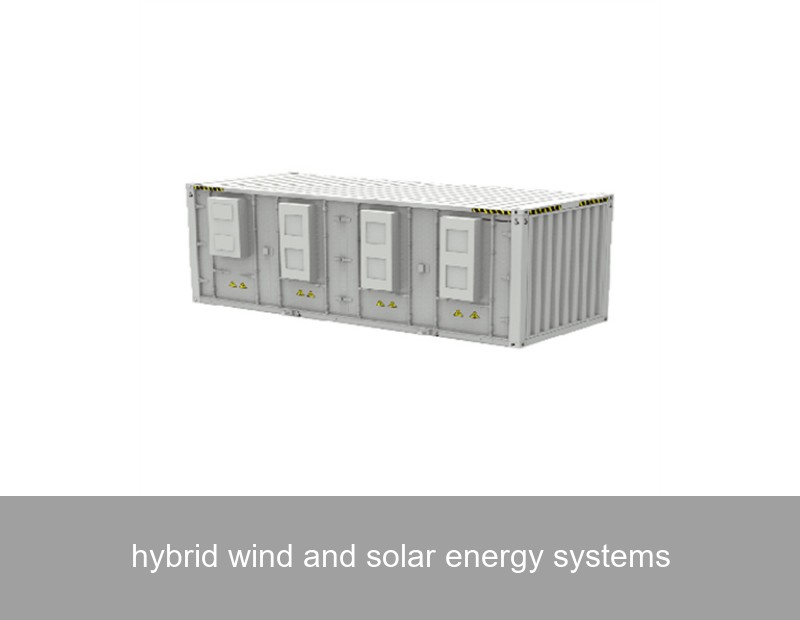
Imagine a power plant that harnesses the sun's blaze during the day and captures the wind's force at night. This isn't a vision of the distant future; it's the operational reality of hybrid wind and solar energy systems. For businesses, communities, and grid operators across Europe and the US, the quest for clean, reliable, and cost-effective energy is paramount. While standalone solar farms and wind turbines have been game-changers, they come with a well-known caveat: their power output depends on the weather. What if we could combine these two giants of renewables to create a more consistent and dependable energy source? That's precisely the promise of hybrid renewable systems, and it's reshaping how we think about sustainable power generation.
The Core Challenge: Intermittency and Grid Stability
The phenomenal growth of wind and solar is a success story, but it introduces a complex puzzle for grid managers. The sun doesn't always shine, and the wind doesn't always blow. This intermittency can lead to:
- Supply-Demand Mismatches: Peak generation might not align with peak electricity consumption.
- Grid Instability: Sudden drops in renewable output (like when a cloud bank covers a solar farm) require rapid response from traditional fossil-fuel plants to maintain frequency.
- Curtailment and Wasted Energy: Grids sometimes have to "turn off" renewable sources during periods of low demand and high production, wasting clean energy.
According to a 2023 report by the National Renewable Energy Laboratory (NREL), hybridizing wind and solar can significantly reduce these variability issues. The study found that co-located systems can achieve a more stable combined output, as wind and solar resources often have complementary generation profiles—solar peaks midday, while wind often picks up in the evening and winter.
How a Hybrid Wind and Solar System Works: Synergy in Action
A hybrid wind and solar energy system is more than just placing turbines and panels on the same site. It's an intelligently integrated power plant designed to maximize resource utilization. Here’s a breakdown of its key components:
| Component | Role in the Hybrid System | Benefit |
|---|---|---|
| Wind Turbines | Convert kinetic wind energy into electrical power, often stronger at night and in colder months. | Provides generation during non-solar hours and seasons. |
| Solar PV Arrays | Convert sunlight into DC electricity, with peak production during daylight hours. | Delivers predictable daytime power, especially in sun-rich regions. |
| Power Conversion System (PCS) | Includes inverters and controllers that manage the DC/AC conversion from both sources. | Ensures compatible, grid-quality AC power output. |
| Advanced Energy Storage (BESS) | The crucial linchpin. Stores excess energy from either source for later use. | Smooths output, shifts energy to peak demand times, and provides essential grid services. |
| Energy Management System (EMS) | The "brain" of the operation, using forecasts and algorithms to optimize dispatch. | Maximizes revenue, minimizes curtailment, and decides when to store or release energy. |
The magic happens in the EMS and storage. On a windy, sunny day, the system might direct all solar and wind power to the grid while charging the battery. As the sun sets but wind persists, the battery can supplement the declining solar, creating a seamless flow of electricity. 
Real-World Impact: A Case Study from Texas, USA
Theory is compelling, but real data tells the definitive story. Consider the Gulf Wind Hybrid Project in South Texas. This facility combined a pre-existing 150 MW wind farm with a new 50 MW solar PV array and a 30 MW / 60 MWh battery energy storage system.
- The Challenge: The wind farm had strong nighttime output but often faced curtailment during sunny, low-wind afternoons when grid demand was high.
- The Hybrid Solution: Integrating solar provided strong daytime generation. The battery storage was key: it captured excess wind power at night and midday solar peaks.
- The Results (Based on Public Performance Data):
- Capacity Factor Increase: The hybrid plant achieved a combined capacity factor of over 45%, significantly higher than the wind-only baseline (~35%).
- Curtailment Reduction: Energy curtailment was reduced by an estimated 72%, meaning vastly more clean energy reached the grid.
- Revenue Stabilization: By delivering power during high-price evening peak periods (using stored energy), the project's revenue became more predictable and resilient to price volatility.
This case underscores a critical insight: the value of a hybrid wind and solar energy system is fundamentally unlocked by sophisticated, grid-scale storage. Without it, you simply have two variable sources sharing a grid connection.
The Highjoule Advantage: Intelligent Storage for Hybrid Systems
This is where Highjoule's expertise becomes pivotal. Since 2005, we have focused on one mission: transforming renewable energy potential into reliable, dispatchable power. For developers and operators of hybrid plants, our advanced Battery Energy Storage Systems (BESS) are the enabling technology that maximizes return on investment and grid value.
Highjoule's HPS Series for utility-scale applications is engineered specifically for the rigorous demands of hybrid renewable integration. What sets our solution apart?
- Ultra-Fast Response: Our systems can ramp from zero to full output in milliseconds, instantly compensating for a drop in wind or solar generation and providing critical frequency regulation services to the grid.
- Advanced Cycle Life & Degradation Management: Hybrid systems require frequent charging and discharging. Our proprietary battery management software optimizes each cycle to extend system lifespan beyond industry standards, protecting your long-term asset value.
- Grid-Forming Inverter Technology: In the event of a grid disturbance, Highjoule's BESS can "form" a stable grid on its own ("black start" capability), a feature increasingly required for microgrids and remote hybrid systems seeking true energy independence.
- Integrated Plant Controller: We don't just provide hardware. Our intelligent Energy Management System can act as the master controller for the entire hybrid site, making real-time decisions to optimize the flow between wind, solar, storage, and the grid based on weather forecasts, market prices, and grid signals.

For a commercial or industrial entity looking to build a behind-the-meter hybrid system, Highjoule's HCS Series offers the same intelligence in a scalable format. It allows a factory or data center to directly couple on-site wind and solar, using storage to maximize self-consumption, reduce demand charges, and build resilience against outages.
The Future Outlook and Your Next Step
The integration of wind, solar, and storage is not just a trend; it's the logical evolution of the power grid. The International Renewable Energy Agency (IRENA) notes that the declining cost of both renewables and batteries is making hybrid projects the most cost-effective option for new power capacity in many regions. The future grid will be built on these flexible, multi-technology hubs.
Whether you are an independent power producer planning your next project, a utility seeking to enhance grid stability, or a large energy consumer aiming for sustainability and cost control, the question is no longer *if* you should consider a hybrid system, but *how* to design it for optimal performance and financial return.
 Inquiry
 Online Chat