


The Ultimate Guide to Hybrid System Renewable Energy: Powering Resilience and Savings
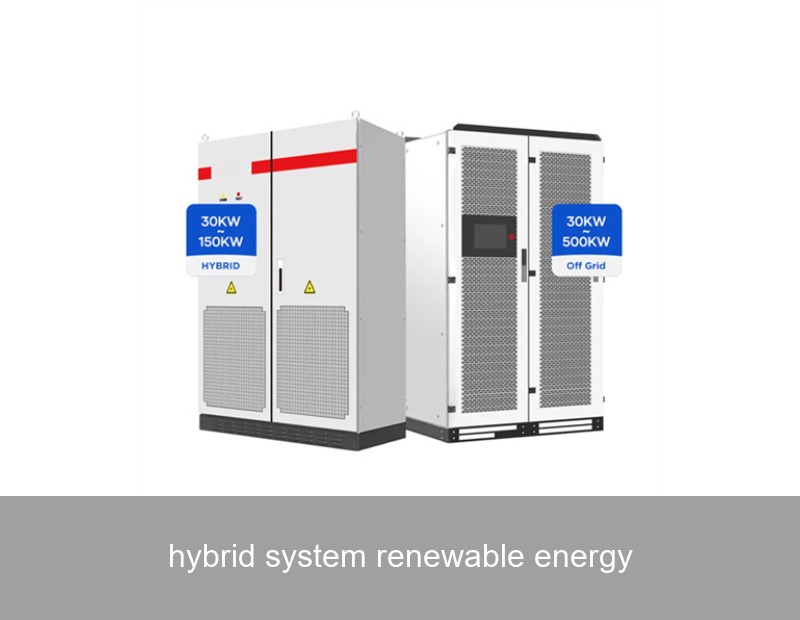
Have you ever looked at your solar panels on a cloudy day and wished you could store that sunshine for later? Or wondered how to truly break free from grid volatility and rising electricity costs? You're not alone. This quest for energy independence and efficiency is driving a powerful shift towards hybrid system renewable energy solutions. But what exactly are they, and how can they transform the way homes and businesses consume power? As a leading provider of advanced energy storage, Highjoule has been at the forefront of this revolution since 2005. In this guide, we'll demystify hybrid systems, explore their undeniable benefits, and show you how they're reshaping energy landscapes from California to Bavaria.
What is a Hybrid Renewable Energy System?
At its core, a hybrid renewable energy system is an intelligent power setup that combines two or more energy generation sources—typically solar PV and wind—with a battery energy storage system (BESS). Unlike a simple grid-tied solar array that shuts down during a blackout, a hybrid system is designed to operate in multiple modes: it can feed power to the grid, charge batteries for later use, and, crucially, keep your lights on during an outage by islanding from the main grid. Think of it as your personal, mini power grid that prioritizes clean energy, maximizes self-consumption, and provides unwavering backup.
The key components are:
- Renewable Generation: Solar panels and/or small wind turbines.
- Energy Storage: Lithium-ion battery banks (like Highjoule's H-Series).
- Smart Inverter/Controller: The "brain" that manages energy flow between sources, storage, and loads.
- Grid Connection (Optional): For backup import and export capabilities.
The Modern Grid Challenge: Intermittency & Demand
Renewables like solar and wind are fantastic, but they have a well-known trait: intermittency. The sun sets, the wind calms. Meanwhile, energy demand often peaks in the early evening when solar production is waning—a mismatch known as the "duck curve." This phenomenon, first identified in California, puts immense strain on traditional grids, leading to price spikes and reliability issues.
According to the International Energy Agency (IEA), the global capacity of battery energy storage needs to expand significantly to support the clean energy transition. This is where the hybrid system shines. By integrating storage, it smooths out the renewable generation curve, shifting excess daytime solar to high-demand periods. For instance, a homeowner can use stored solar energy to run their air conditioner at night, avoiding expensive peak grid electricity. The result? Lower bills, reduced grid stress, and a more consistent power supply.

Image Source: Unsplash - Representing the combination of solar and wind energy.
How a Hybrid System Works: The Symphony of Power
Let's break down the intelligent operation of a hybrid system. Imagine a sophisticated conductor orchestrating an ensemble.
| Scenario | System Action | Benefit |
|---|---|---|
| Sunny Day, Low Demand | Solar panels produce more power than the home needs. The surplus first charges the battery bank. Once batteries are full, excess energy can be exported to the grid (if permitted). | Maximizes self-use of solar, creates potential revenue or credits. |
| Evening or Cloudy Day | Solar production is low. The system intelligently draws power from the charged batteries to supply household loads, minimizing grid import. | Avoids high time-of-use rates, ensures continuous clean power. |
| Grid Outage (Blackout) | The system automatically disconnects from the grid (islanding) and forms a microgrid using solar and battery storage to power critical loads. | Provides essential backup power, enhances resilience and safety. |
| Low Battery, High Demand | If batteries are depleted and solar is insufficient, the system seamlessly draws minimal required power from the grid. | Guarantees uninterrupted power supply. |
This dynamic management requires advanced technology. At Highjoule, our Intelligent Energy Operating System (IEOS) is the conductor in our hybrid solutions. It uses AI-driven forecasting and real-time analytics to make millisecond decisions, optimizing every kilowatt-hour for economics and performance.
A Real-World Case Study: The German Dairy Farm
Let's move from theory to practice with a compelling European example. A medium-sized dairy farm in Lower Saxony, Germany, faced crippling energy costs. They had a 100 kW rooftop solar array but were only consuming 30% of its generation directly, exporting the rest at low feed-in tariffs while still buying expensive grid power at night for their cooling systems and milking machines.
In 2022, they partnered with a Highjoule-certified integrator to deploy a hybrid system renewable energy upgrade. The solution included a Highjoule H-Stack 50 kWh battery storage system and an upgrade to a hybrid inverter. The results, monitored over one year, were striking:
- Self-Consumption Rate: Increased from 30% to over 85%.
- Grid Import Reduction: Reduced by 78% annually.
- ROI Period: Achieved in under 5 years, factoring in German subsidy programs (BAFA).
- Resilience: Critical refrigeration loads were now protected against the region's increasing grid instability.
This case, documented in a Fraunhofer ISE study on storage system benefits, exemplifies the tangible economic and operational benefits for commercial entities. The farm didn't just save money; it future-proofed its operations against energy price volatility.
Highjoule's Intelligent Hybrid Solutions
For nearly two decades, Highjoule has engineered storage solutions that form the robust heart of any hybrid system. Our products are designed for seamless integration and unparalleled longevity.
- H-Series Modular Battery Systems: Scalable from 10 kWh to multi-megawatt configurations. Using lithium iron phosphate (LFP) chemistry, they offer superior safety, a lifespan exceeding 6,000 cycles, and high round-trip efficiency. Perfect for both residential (H-Series Home) and large commercial/industrial applications.
- Intelligent Energy Operating System (IEOS): This proprietary software platform is what makes a Highjoule system "smart." It enables advanced features like peak shaving, demand charge management for businesses, and remote monitoring via a user-friendly app.
- Full System Integration & Support: We work with a global network of certified installers to provide tailored hybrid system renewable energy designs, from initial consultancy to commissioning and long-term maintenance, ensuring optimal performance for your specific climate and energy profile.

Image Source: Unsplash - Illustrative of a modern, clean battery storage installation.
The Future of Hybrid Systems and Your Energy Independence
The trajectory is clear. With the rising frequency of extreme weather events and the global push for decarbonization, static, one-way power systems are becoming obsolete. The future is dynamic, decentralized, and intelligent. Hybrid systems are evolving to incorporate electric vehicle (EV) charging as a bidirectional resource (vehicle-to-home), and even green hydrogen for long-duration seasonal storage.
For homeowners and business owners, this isn't just about technology; it's about control. It's about locking in long-term energy costs, contributing to a sustainable grid, and achieving peace of mind through resilience. The question is no longer if you should consider a hybrid system, but how to design the right one for your goals.
What's the first step you'll take to assess your potential for energy independence with a hybrid renewable energy system?
 Inquiry
 Online Chat