


How Much Does Solar Panel 3.0 Really Cost? Unpacking the True Value of Modern Solar
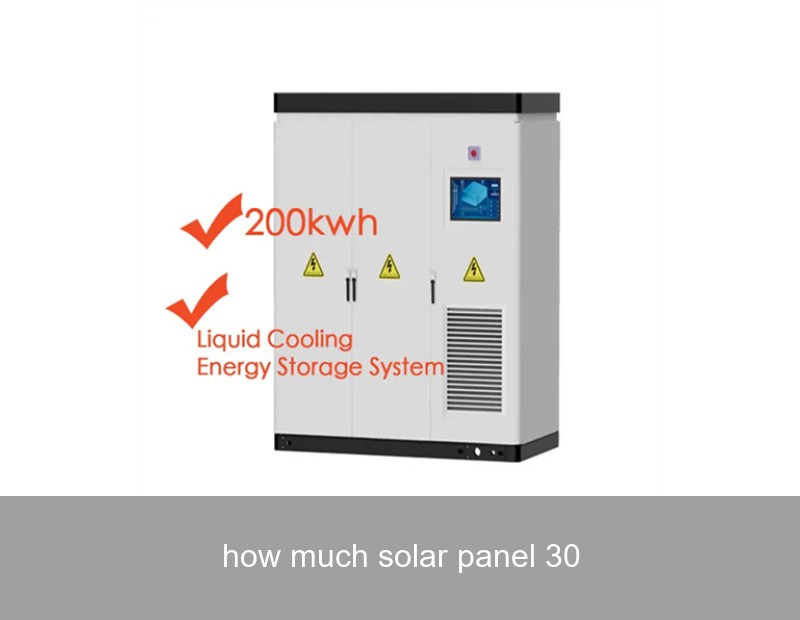
If you're looking into solar power today, you've likely heard the term "Solar Panel 3.0" buzzing around. It's more than just a marketing catchphrase. We're witnessing a fundamental shift from simply installing panels (Solar 1.0) to integrating smart energy systems. The most common and crucial question remains: how much does Solar Panel 3.0 cost? The answer, however, isn't a simple price-per-watt figure anymore. The real cost is about the total value of a resilient, intelligent, and self-sufficient energy ecosystem for your home or business.
Beyond Efficiency: The True Cost of Power
Solar Panel 3.0 represents the third generation of photovoltaic technology and system design. It's characterized by high-efficiency cells (like PERC, TOPCon, or HJT), bifacial designs that capture light from both sides, and most importantly, an inherent design philosophy that treats solar panels as just one component of a broader energy network.
When asking "how much," we must move beyond the panel sticker price. Consider these factors:
- System Intelligence: Modern systems require advanced inverters and energy management systems (EMS) that optimize production, consumption, and storage in real-time.
- Durability & Warranty: Premium 3.0 panels often come with 25+ year performance warranties, ensuring a longer return on investment.
- Grid Services & Incentives: In many regions like the EU and the US, the value of your system can be enhanced through feed-in tariffs, net metering, or participation in demand response programs, which a smart system can maximize.
The initial quote might be higher than a basic setup, but the levelized cost of energy (LCOE)—the average cost per kWh over the system's life—is often significantly lower with a Solar 3.0 approach.
Credit: Unsplash - A Solar 3.0 system includes real-time monitoring and management.
The Storage Imperative: The Game Changer in the Cost Equation
This is the heart of Solar Panel 3.0. Without storage, you're only solving half the puzzle. Energy independence and true resilience come from the ability to store surplus daytime generation for use at night, during peak tariff periods, or grid outages.
Adding a battery energy storage system (BESS) changes the "cost" question to a "value" proposition. Let's break it down with a simple table:
| System Type | Upfront Cost | Key Value Delivered | Typical Payback Consideration |
|---|---|---|---|
| Basic Solar (1.0) | Lower | Reduces daytime grid consumption | 5-8 years (dependent on net metering) |
| Solar 3.0 + Storage | Higher | Energy independence, backup power, peak shaving, maximized self-consumption | 7-12 years (but with added resilience & financial benefits) |
As noted by the U.S. Department of Energy, storage is key to unlocking solar's full potential, transforming it from a variable resource into a reliable one.
Case Study: A California Winery's Solar 3.0 Transformation
Let's look at real data from a commercial project. A mid-sized winery in Napa Valley, California, faced rising energy costs and concerns over grid reliability during harvest season. Their goal was to secure 24/7 clean power for critical refrigeration and processing.
- Challenge: High peak demand charges, unreliable grid during fire season.
- Solution: A 250 kW high-efficiency solar array coupled with a 500 kWh Highjoule HiveStack BESS and intelligent energy management platform.
- Results:
- Annual energy bill reduction: 92%.
- Elimination of peak demand charges by discharging stored energy during high-cost periods.
- Full operational resilience during planned Public Safety Power Shutoffs (PSPS).
The system's payback period was calculated at 9 years, not just on savings but also on avoided losses from spoiled inventory during outages—a value often missed in traditional calculations. This exemplifies the true "cost" of Solar 3.0: it's an investment in business continuity.

Credit: Unsplash - Commercial solar and storage solutions powering agriculture.
Highjoule's Integrated Solutions for the Solar 3.0 Era
At Highjoule, with nearly two decades of experience since 2005, we don't just sell components; we engineer integrated energy resilience. Our products are designed to answer the modern question of how much solar panel 3.0 should deliver, focusing on total lifecycle value.
Our core offerings for the residential, commercial, and microgrid markets include:
- HiveStack Modular Battery Systems: Scalable lithium-ion phosphate (LFP) storage solutions known for safety, longevity, and seamless integration with leading solar inverters.
- Orion Energy Management System (EMS): The brain of the operation. This AI-driven platform optimizes energy flows, predicts consumption, and can participate in grid services where available, creating potential revenue streams.
- Highjoule PowerHub for Microgrids: A complete solution for communities or industrial campuses seeking to operate independently or in tandem with the main grid.
We partner with leading solar panel manufacturers to deliver a cohesive, high-performance package where every component communicates intelligently, ensuring you extract every kilowatt-hour of value from your investment. According to a IEA report on energy storage, the synergy between smart solar and advanced storage is critical for global decarbonization.
Making the Right Choice for Your Energy Future
So, how much does Solar Panel 3.0 cost? You now see it's a multifaceted question. The most productive approach is to shift the conversation:
- Audit Your Energy Profile: Understand your consumption patterns, peak demand, and reliability needs.
- Define Your Goals: Is it pure savings, backup power, sustainability, or a combination?
- Evaluate Total System Value: Request proposals that include lifecycle analysis, projected savings with/without storage, and warranty/service terms.
Technologies like those developed by Highjoule are making these sophisticated systems more accessible and economical than ever. The National Renewable Energy Laboratory (NREL) continues to document the rapid decline in both solar and storage costs, accelerating the adoption of comprehensive systems.

Credit: Unsplash - Modern energy management puts control in the user's hands.
What specific energy challenge—be it unpredictable bills, grid instability, or a sustainability target—is pushing you to finally seek a real solution, and what would achieving energy independence mean for your home or business?
 Inquiry
 Online Chat