


How Much Does an ESD Dry Cabinet Cost? A Comprehensive Guide for Electronics Professionals
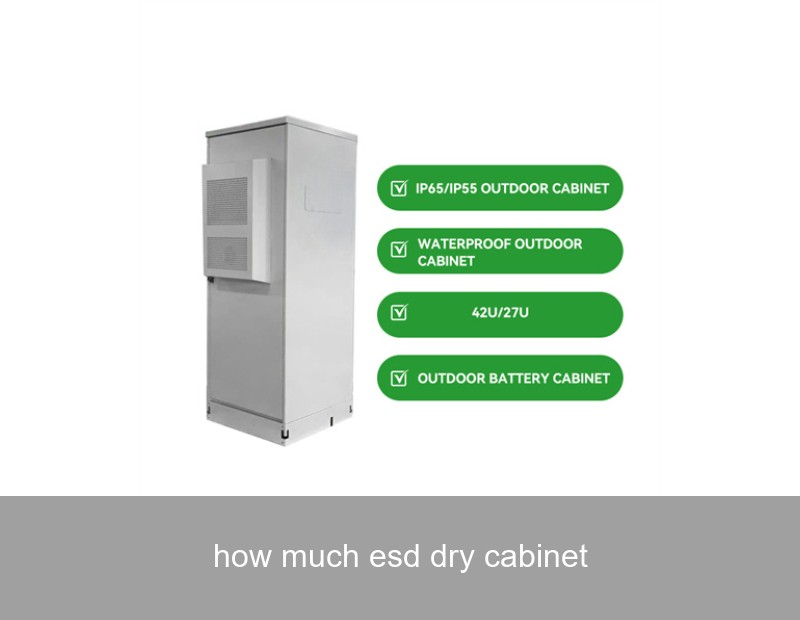
If you work with sensitive electronic components, printed circuit boards (PCBs), or semiconductor devices, you've likely asked yourself: how much does an ESD dry cabinet cost? It's a crucial question, but the answer isn't a simple number on a price tag. The investment in an Electrostatic Discharge (ESD)-safe dry cabinet is about protecting a far more valuable asset: your sensitive inventory from the twin threats of moisture damage and electrostatic ruin. As humidity fluctuations become more pronounced and the demand for reliable electronics grows, understanding the true cost—from initial purchase to long-term value—is essential for any business in the US and Europe. In this guide, we'll break down the pricing factors, explore the real-world consequences of inadequate storage, and show how the right solution, like those from Highjoule, safeguards your bottom line.
Table of Contents
- The Hidden Cost of Uncontrolled Humidity & ESD
- Key Factors That Determine ESD Dry Cabinet Price
- Case Study: The Real Price of a Failure
- The Highjoule Solution: Smart Protection for Critical Components
- Making the Right Investment Decision
The Hidden Cost: More Than Just a Cabinet
Before we discuss dollars and euros, let's talk about risk. Moisture Sensitivity Level (MSL) ratings are not just guidelines; they are defenses against "popcorning," delamination, and internal corrosion that can occur when components like BGAs or ICs absorb ambient humidity. Similarly, an uncontrolled electrostatic event can instantly destroy a microchip without any visible sign. The cost of an ESD dry cabinet, therefore, must be weighed against the cost of field failures, rework, scrap, and reputational damage.
Consider this: a single batch of ruined high-value components can easily eclipse the investment in a professional-grade storage system. For industries like automotive electronics, medical device manufacturing, or aerospace in regions like Germany or the US Midwest—where humidity can vary drastically—this isn't a peripheral concern; it's central to quality control.
Key Factors That Determine ESD Dry Cabinet Price
So, how much does an ESD dry cabinet cost in reality? Prices can range from a few hundred dollars for a small benchtop unit to several thousand for a large walk-in system. Here’s what drives the variation:
- Capacity & Size: Internal volume, typically measured in cubic feet or liters, is the most obvious factor. Small cabinets (10-30 liters) suit labs, while production floors need large cabinets (over 500 liters) or modular rooms.
- Humidity Control Performance: The required low humidity level (e.g., <5% RH vs. <1% RH) and the speed of recovery after door openings impact the dehumidification system's complexity and cost.
- ESD Protection Level: Full compliance with ANSI/ESD S20.20 or IEC 61340-5-1 standards, featuring dissipative shelves, proper grounding, and built-in monitoring, adds to the cost but is non-negotiable for high-reliability sectors.
- Smart Features & Connectivity: Modern cabinets offer IoT connectivity, remote humidity/ESD monitoring, data logging for audit trails, and integration with factory systems. This "smart" layer is a growing part of the value proposition.
- Build Quality & Reliability: Robust sealing, durable construction, and the quality of the desiccant or dry air generator affect both upfront price and long-term operating costs (like energy consumption).

Image: A professional ESD dry cabinet in an industrial setting. Source: Cleanroom Technology
| Cabinet Type | Capacity Range | Key Features | Estimated Price Range |
|---|---|---|---|
| Benchtop / Small | 10 - 30 Liters | Basic dehumidification, ESD-safe shelves | $400 - $1,200 |
| Standard Floor-standing | 50 - 300 Liters | Precise RH control, data logging, good recovery | $1,500 - $5,000 |
| Large / Modular System | 300+ Liters | Walk-in, ultra-low RH (<1%), full IoT integration, high compliance | $5,000 - $15,000+ |
Case Study: A European Automotive Supplier's $250,000 Lesson
Let's ground this in data. A tier-1 automotive electronics supplier in Bavaria was experiencing a mysterious 2% failure rate in a key electronic control unit (ECU) during final testing. The root cause analysis traced it back to moisture absorption of surface-mount devices (SMDs) stored in a non-controlled storeroom. The humid Alpine springs were taking a toll.
- Scrap Components: $80,000 (annualized loss)
- Rework Labor: $45,000
- Production Delays: $120,000 (in missed just-in-time deliveries)
- Potential Warranty Risk: Incalculable
The company invested €18,000 (approx. $19,500) in a fleet of standardized, connected ESD dry cabinets from a trusted provider. Within one year, the failure rate attributed to moisture dropped to near zero, achieving a full ROI in under 10 months. This case underscores that the question isn't "how much does an ESD dry cabinet cost," but "what is the cost of not having one?"
The Highjoule Solution: Intelligent Storage as Part of Your Energy Ecosystem
At Highjoule, we view component protection through the lens of energy intelligence and system reliability. Our foray into precision storage solutions stems from a deep understanding of how critical stable power and controlled environments are for modern manufacturing and research.
Our Guardian Series ESD Dry Cabinets are engineered for the demanding environments of our commercial and industrial partners. They integrate seamlessly with a facility's broader energy management strategy. How? By featuring:
- High-Efficiency Desiccant Systems: Minimizing energy draw, aligning with sustainability goals crucial for European and US markets.
- Highjoule SmartConnect: Monitor cabinet RH and ESD status remotely via our platform, alongside your Highjoule commercial battery storage system performance, creating a unified view of critical operational health.
- Robust, Reliable Design: Built for 24/7 operation, ensuring your components are protected as reliably as our battery systems provide backup power for microgrids and industrial facilities.
Think of it this way: just as our residential energy storage systems protect homeowners from grid instability, our Guardian Series protects your valuable inventory from environmental instability.

Image: A modern, reliable manufacturing environment. Source: TechHQ
Making the Right Investment Decision
When evaluating how much an ESD dry cabinet costs, shift the conversation from price to value. Ask your potential supplier these questions:
- Can you provide full compliance documentation for both ESD and humidity control standards?
- What is the true total cost of ownership, including energy use and maintenance?
- Does the system offer data provenance for quality audits?
- Can it scale or integrate as my needs grow?
For businesses looking to future-proof their operations, the integration of component storage with overall facility energy management—a core Highjoule expertise—is the next frontier in efficiency and risk reduction.
Beyond the Cabinet: A Holistic View
Protecting sensitive electronics doesn't end at the storage cabinet door. It's part of a holistic ESD Protected Area (EPA). Ensure your investment includes proper user training, grounding equipment, and regular monitoring. Reputable sources like the ESD Association offer essential guidelines for building a complete program.
Given the stakes for your product quality and brand reputation, are you ready to assess your current component storage not as an expense, but as a strategic pillar of your manufacturing integrity?
 Inquiry
 Online Chat