


Understanding the Hybrid Voltronic Axpert Off-Grid Inverter: Your Key to Energy Independence
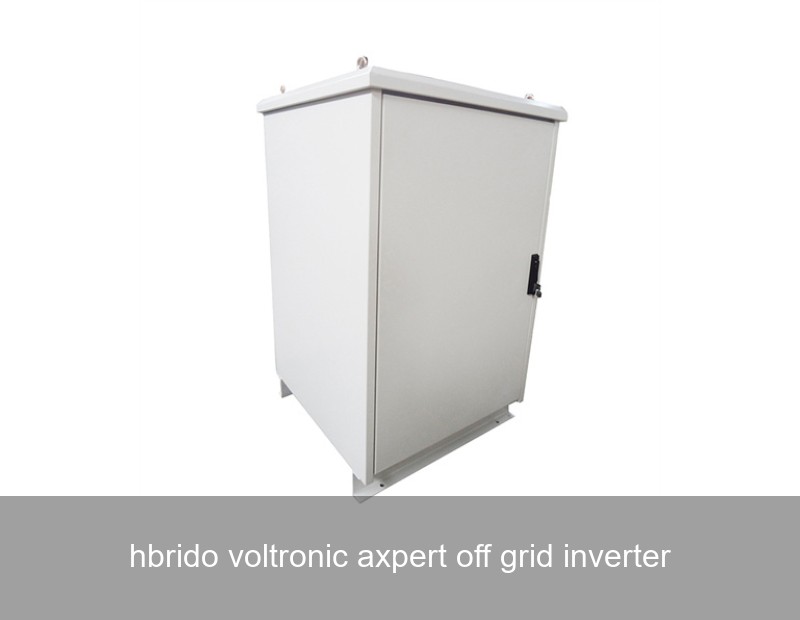
For homeowners and businesses across Europe and the US seeking true energy independence, the term "hybrid Voltronic Axpert off-grid inverter" is more than just technical jargon—it's the cornerstone of a self-sufficient power system. But what exactly does this technology do, and why is it so critical for reliable off-grid and backup power solutions? In this guide, we'll demystify this essential component, explore its real-world applications, and show you how pairing it with the right battery technology unlocks a new level of resilience and savings.
What is a Hybrid Voltronic Axpert Off-Grid Inverter?
Let's break it down. An inverter converts the direct current (DC) electricity from sources like solar panels or batteries into the alternating current (AC) that powers your home appliances. An off-grid inverter is designed to operate without any connection to the public utility grid. The hybrid capability means it can intelligently manage multiple power sources—typically solar panels, a battery bank, and sometimes a backup generator. Voltronic Axpert is a renowned series of such inverters, known for their robustness and versatility in standalone power systems.
In essence, this device is the command center. It decides whether to send solar power directly to your appliances, store it in batteries, or draw from battery reserves when the sun isn't shining. For a reliable off-grid setup, choosing a proven inverter like the Axpert is the first crucial step.
How It Works: The Brains of Your Power System
Think of your hybrid inverter as a sophisticated traffic controller for electrons. Here’s a simplified view of its operation:
- Priority Source: It first uses available solar PV energy to power your home's immediate loads.
- Smart Charging: Any excess solar energy, instead of being wasted, is directed to charge your battery storage system.
- Seamless Switching: When solar production drops (at night or on cloudy days), it instantly and smoothly switches to draw power from the batteries without interrupting your electricity supply.
- Generator Integration: In extended periods of poor weather, it can signal a backup generator to start, ensuring an uninterrupted power supply.

Image Source: Unsplash - A visual representation of a typical off-grid solar system with battery storage.
The Off-Grid Power Challenge: More Than Just Sunshine
The common misconception is that off-grid living is simply about installing enough solar panels. The real challenge is energy availability when you need it most. Solar generation is intermittent. According to data from the U.S. Department of Energy, even in sunny regions, daily and seasonal variations are significant. Winter months can see production drop by 50% or more compared to summer peaks. This creates a critical gap: your energy production and consumption are rarely perfectly aligned.
This is where the hybrid inverter and its partner—the battery—become non-negotiable. The inverter manages the flow, but the battery system is the bank where your energy savings are stored. The performance, lifespan, and safety of your entire off-grid system hinge on this partnership.
Case Study: Off-Grid Homestead in Northern Sweden
Consider the real-world example of a family homestead located north of the Arctic Circle in Sweden. Their goal was complete year-round energy independence despite extreme winters with very limited sunlight.
- System Core: A 10kW solar array paired with a hybrid Voltronic Axpert off-grid inverter.
- The Critical Issue: Their initial lead-acid battery bank (24kWh capacity) struggled with the deep, daily discharges required in winter. Capacity degraded by over 40% within two years, risking system failure during the darkest weeks.
- The Solution & Data: They retrofitted their system with a modern lithium iron phosphate (LiFePO4) battery solution from Highjoule. The results were transformative:
Metric Old Lead-Acid System Highjoule LiFePO4 System Usable Capacity ~12 kWh (50% DoD) 24 kWh (100% DoD) Cycle Life (to 80% capacity) ~1,200 cycles >6,000 cycles Efficiency (Round-trip) ~80% >96% Winter Reliability Required generator backup weekly Generator backup needed only 2-3 times per season
This case highlights a vital insight: the inverter is a capable manager, but the battery's chemistry and quality determine the system's long-term resilience and return on investment.
Beyond the Inverter: The Critical Role of the Battery System
Your hybrid Voltronic Axpert inverter is designed to work with various battery types. However, not all batteries are created equal. The evolution from traditional lead-acid to advanced lithium-based batteries, particularly LiFePO4, represents a quantum leap for off-grid systems.
- Depth of Discharge (DoD): Quality LiFePO4 batteries can safely use over 90% of their rated capacity, while lead-acid is limited to about 50% to prevent damage.
- Lifespan: LiFePO4 chemistry offers several thousand charge cycles, often lasting 2-3 times longer than lead-acid under similar conditions.
- Charge Speed & Efficiency: They charge faster from available solar and lose less energy in the process, capturing more of your precious solar harvest.
Choosing an advanced battery system isn't just an upgrade; it's about fully leveraging the intelligence built into your hybrid inverter.
The Highjoule Solution: Intelligent Storage for Intelligent Inverters
At Highjoule, we understand that a sophisticated inverter like the Voltronic Axpert deserves an equally sophisticated battery partner. Since 2005, we've specialized in designing advanced Battery Energy Storage Systems (BESS) that seamlessly integrate with leading inverters to create robust, off-grid power solutions.
Our Highjoule HPS Series commercial and industrial storage systems and HRS Series for residential applications are built with proprietary battery management technology. They are engineered to communicate flawlessly with hybrid off-grid inverters, ensuring optimal charge/discharge cycles, advanced thermal management, and unparalleled system safety. For the homeowner or business with a Voltronic Axpert inverter, integrating a Highjoule battery means:
- Maximized Solar Self-Consumption: Store more of what you produce with high round-trip efficiency.
- Unwavering Reliability: Built-in safety protocols and robust cycle life provide peace of mind through all seasons.
- Reduced Total Cost of Ownership: Longer lifespan and minimal maintenance translate to lower long-term costs compared to traditional battery technologies.

Image Source: Unsplash - A technician performing maintenance on a modular battery storage system.
Choosing the Right System for Your Needs
Selecting components for an off-grid system is a balancing act. You must consider your energy consumption, peak load requirements, solar resource, and budget. Resources like the National Renewable Energy Laboratory (NREL) provide valuable tools for solar potential estimation. As a rule of thumb:
- Size Your Solar Array First: Based on your location's insolation and your daily kWh usage.
- Match Inverter Capacity to Loads: Ensure the continuous and surge power ratings of the hybrid inverter can handle your largest appliances.
- Size Your Battery for Autonomy: This is the most critical calculation. How many days do you need to power your essential loads without sun? This "days of autonomy" figure directly dictates your battery bank's usable capacity.
Given these complexities, how will you determine the optimal balance between your hybrid inverter's capabilities and the battery storage capacity needed to achieve true, worry-free energy independence for your specific home or business?
 Inquiry
 Online Chat