


Equipos Solares para Casas: Your Guide to Energy Independence and Savings
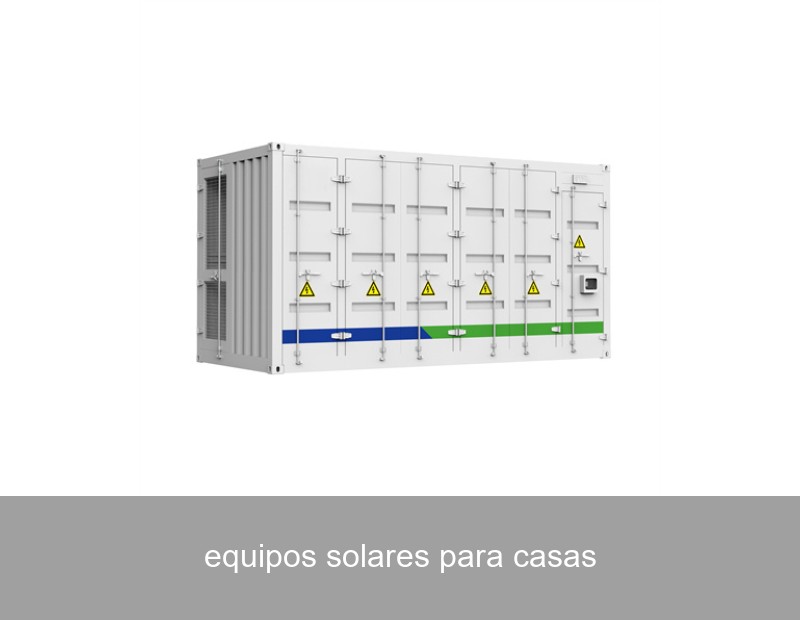
Have you ever looked at your electricity bill and wished for a simpler, more predictable way to power your home? You're not alone. Across Europe and the United States, a quiet revolution is taking place on rooftops and in backyards. More homeowners than ever are turning to equipos solares para casas – residential solar power systems – not just to save money, but to take control of their energy future. This move is driven by a powerful combination: rising utility costs, a growing desire for sustainability, and significant technological advancements in solar panels and, crucially, battery storage. It's no longer just about generating power when the sun shines; it's about having reliable, clean energy on demand, day and night. In this guide, we'll explore the modern solar home system and how integrating intelligent storage is the key to unlocking its full potential.
Table of Contents
- What Are Modern Equipos Solares para Casas?
- The Core Challenge: Sunlight vs. Demand
- The Game-Changing Solution: Integrating Solar Battery Storage
- Real-World Impact: A Case Study from Spain
- Choosing the Right System for Your Home
- Highjoule's Role in Your Energy Independence
- Your Path to a Smarter, More Resilient Home
What Are Modern Equipos Solares para Casas?
Gone are the days when a solar home system meant just a few panels on the roof. Today's equipos solares para casas are sophisticated, integrated energy ecosystems. At their core, they consist of:
- Solar Panels (PV Modules): Capture sunlight and convert it into direct current (DC) electricity.
- Inverter(s): The brain of the system, converting DC electricity into the alternating current (AC) your home appliances use.
- Mounting System & Hardware: Securely attaches the panels to your roof or ground.
- Monitoring System: Allows you to track energy production and consumption in real-time via an app.
However, the most transformative component in a modern setup is the solar battery storage system. This addition redefines what your solar installation can do, moving it from a supplementary power source to a primary, resilient energy asset.
Credit: Unsplash / Andreas Gücklhorn. A modern home solar and battery storage installation.
The Core Challenge: Sunlight vs. Demand
Let's talk about the elephant in the room. Solar panels produce the most energy in the middle of the day. But when is a typical family's energy demand highest? Often in the early morning and evening—when the sun is low or has set. This mismatch is the fundamental limitation of a solar-only system.
The traditional solution has been net metering, where you send excess solar energy back to the grid for credits. But here's the trend: net metering policies are changing. In places like California and parts of Europe, compensation rates for exported solar power are decreasing. This means the economic value of sending power back to the grid is falling, making it smarter to use your own solar energy directly.
This is where the logic of the system evolves. Without storage, you might only use 30-50% of the solar energy you produce directly. The rest gets exported at a lower value. The question becomes: how can you capture that excess, high-value energy for your own use later?
The Game-Changing Solution: Integrating Solar Battery Storage
Adding a battery to your equipos solares para casas is like adding a savings account for your energy. Instead of sending excess solar electricity out, you store it. Then, when your panels aren't producing, you draw from your personal energy bank.
The benefits are compelling:
- Maximized Self-Consumption: Increase the portion of your solar energy used directly in your home from ~40% to 80% or more.
- Energy Bill Savings: Dramatically reduce your reliance on grid power, especially during expensive peak-rate periods in the evening.
- Backup Power: Keep your lights on, refrigerator running, and essential devices charged during grid outages—a concern growing in frequency due to extreme weather events.
- Energy Independence: Gain greater control and predictability over your energy costs, insulating yourself from volatile utility rates.
Think of it this way: a solar-only system makes you a participant in the energy grid. A solar-plus-storage system makes you the manager of your own, personal microgrid.
Real-World Impact: A Case Study from Valencia, Spain
Let's look at a real example. The García family in Valencia, Spain, installed a 6 kW solar system in 2020. While they saw savings, they were frustrated that their high evening consumption still pulled significant power from the grid. In early 2023, they decided to upgrade their equipos solares para casas by integrating a 10 kWh lithium iron phosphate (LFP) battery system.
The results after one year were striking:
| Metric | Before Battery (Solar Only) | After Battery (Solar + Storage) | Change |
|---|---|---|---|
| Grid Electricity Purchased | 2,800 kWh/year | 650 kWh/year | -77% |
| Solar Self-Consumption Rate | 48% | 92% | +44 percentage points |
| Monthly Energy Bill (Avg.) | €45 | €12 | -73% |
| Outage Resilience | None | Essential loads for 18+ hours | Full backup capability |
"The peace of mind is priceless," noted Mr. García. "During the recent storms, while our neighbors were in the dark, our home had power. The system paid for the battery upgrade faster than we expected, thanks to avoiding peak tariffs." This real data underscores the transformative effect of moving from a simple generation system to an intelligent storage-integrated one.
Choosing the Right System for Your Home
Selecting your ideal equipos solares para casas setup requires considering a few key factors:
- Energy Consumption: Analyze your past year's electricity bills to understand your usage patterns.
- Roof Space & Orientation: South-facing (in the Northern Hemisphere) roofs with minimal shading are ideal.
- Local Climate & Incentives: Solar yield varies by region, and local subsidies or tax credits (like the U.S. Residential Clean Energy Credit) can significantly impact ROI.
- Primary Goals: Is your main driver maximum savings, backup power, or environmental impact? This guides battery sizing.
Most importantly, the components must work in seamless harmony. A high-efficiency solar array paired with a low-quality battery and inverter will underperform. This is where choosing a provider with deep system integration expertise is critical.

Credit: Unsplash / Kindel Media. Monitoring your home's solar production and consumption is key to optimization.
Highjoule's Role in Your Energy Independence
At Highjoule, we've been at the forefront of this energy transition since 2005. We understand that a modern equipos solares para casas is more than a product—it's a tailored solution. Our approach focuses on the intelligent integration of generation and storage.
For residential customers across Europe and North America, we offer the Highjoule Home Energy Vault. This isn't just a battery; it's an integrated AC-coupled storage system built with our proprietary, ultra-safe LFP battery cells and a hybrid inverter designed for seamless solar integration. Its key features include:
- Scalable Capacity: Modular design allows for expansion from 5 kWh to over 30 kWh to meet growing needs.
- Advanced Energy Management Software: Our system learns your habits and automatically optimizes when to store solar energy, power your home, or provide backup, maximizing your economic return.
- Grid Services Ready: In some markets, your system can contribute to grid stability (with your permission), potentially creating an additional revenue stream.
- Professional Integration: We work with a certified network of installers who ensure your Highjoule storage system is perfectly matched and integrated with your existing or new solar panels.
Our expertise, drawn from thousands of commercial and microgrid installations, is now engineered into a resilient, user-friendly package for your home. We provide the core storage technology that transforms your solar investment from a daytime supplement into a 24/7 energy asset.
Your Path to a Smarter, More Resilient Home
The journey to energy independence is exciting, but we know it can also feel complex. The landscape of equipment, incentives, and installers is vast. The most important step is to shift your mindset: you're not just buying panels; you're designing a home energy system.
Start by asking yourself: What does true energy security look like for my family? Is it never worrying about a blackout during a winter storm? Is it finally fixing the portion of your budget that's tied to unpredictable utility rates? Or is it simply knowing the energy powering your home is clean and self-generated?
With the right partner and a system designed for intelligence—not just generation—these goals are within reach. What's the first question you need answered to feel confident taking the next step with your home's energy?
 Inquiry
 Online Chat