


Energy Transfer from Solar Panels: From Sunlight to Smart Power for Your Home or Business
Have you ever looked at your solar panels on a bright, sunny day and wondered, "Where is all that fantastic energy going?" It's a great question. The journey of energy transfer from solar panels is a fascinating one, moving from pure sunlight to usable electricity for your appliances, and increasingly, into storage for later. For homeowners and businesses in Europe and the US, understanding this flow is key to maximizing your investment, achieving true energy independence, and building a resilient power system. This article will demystify the process, highlight a critical modern component, and show you how to take control of your solar energy journey.
Table of Contents
The Journey of Solar Energy Transfer: More Than Just Panels
Let's break down the energy transfer from solar panels step-by-step. It starts with photons from sunlight striking the photovoltaic (PV) cells in your panels. This knocks electrons loose, creating a direct current (DC) flow. But here's the first twist: your home and the grid run on alternating current (AC).
That's where the inverter comes in. This crucial device converts the DC electricity from your panels into usable AC electricity. From there, the energy has three potential paths:
- Immediate Consumption: The electricity powers devices in your home or business in real-time.
- Export to the Grid: If you're generating more than you use, the excess is fed back into the utility grid (often earning you credits through net metering).
- Diverted to Storage: This is the modern, smart path—sending surplus energy to a battery system for use later.

Image Source: Unsplash (Photo of solar panels with energy flow concept)
For decades, the focus was solely on the first two paths. However, with changing grid dynamics and the desire for 24/7 clean power, the third path—storage—has become the cornerstone of a truly advanced solar energy system.
The Missing Link: Why Generation Isn't Enough
Here's the core challenge: solar generation and energy demand are often out of sync. The sun peaks at midday, but household demand typically spikes in the early morning and evening. Without a way to manage this energy transfer from solar panels, you end up exporting cheap, clean power in the afternoon only to buy back expensive, often fossil-fuel-based power at night.
Data from the U.S. Department of Energy shows the massive growth of solar capacity. Yet, the International Renewable Energy Agency (IRENA) emphasizes that storage is the essential enabler for high solar penetration, allowing for better grid stability and maximizing self-consumption. The phenomenon known as the "duck curve"—where net grid demand plummets during sunny days and sharply ramps up at sunset—illustrates this imbalance perfectly.
The Highjoule Solution: Intelligent Energy Management
This is where Highjoule's expertise transforms your system. We don't just provide components; we provide intelligent energy ecosystems. Our integrated systems include high-efficiency hybrid inverters and advanced lithium-ion battery storage that seamlessly manage the energy transfer from solar panels. Our smart energy management system (EMS) acts as the brain, making real-time decisions: should energy power the home, charge the battery, or be exported based on weather forecasts, usage patterns, and tariff rates? This ensures every kilowatt-hour you generate is used optimally, putting you in complete control.
How a Battery Energy Storage System (BESS) Completes the Cycle
A Battery Energy Storage System (BESS) is the heart of modern energy autonomy. It captures the surplus energy transfer from solar panels that would otherwise leave your property. Think of it as a "energy savings account" for your electricity.
| Time of Day | Solar Production | Without BESS | With Highjoule BESS |
|---|---|---|---|
| Midday (Sunny) | High | Excess exported to grid at low rate | Surplus charges battery; home runs on solar |
| Evening (Peak Demand) | Low/None | Power purchased from grid at high rate | Home powered by stored battery energy |
| Night / Grid Outage | None | Reliant on grid (or powerless) | Critical loads powered by battery; backup power available |
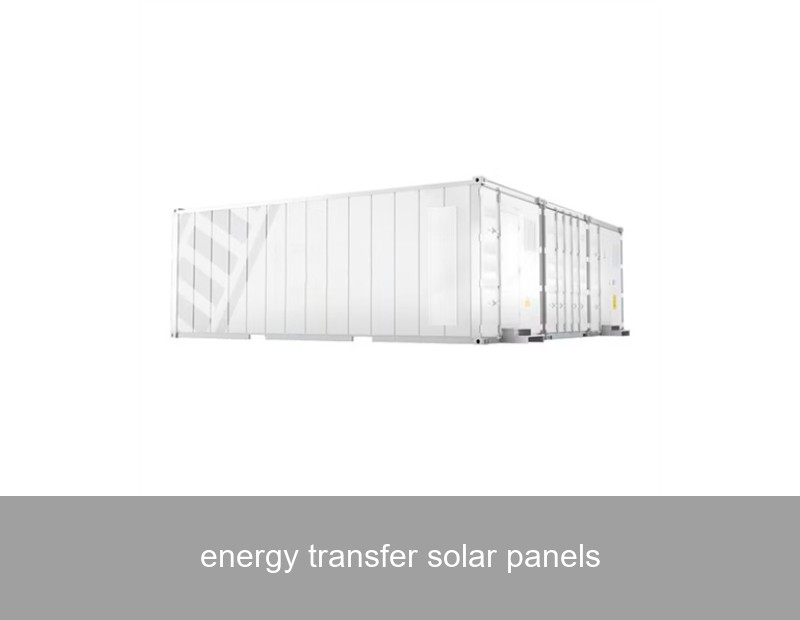
Highjoule's BESS solutions, like our H-Joule Cell Matrix series, are built with longevity and safety in mind. They feature sophisticated thermal management and cell-balancing technology to ensure decade-long performance. For commercial and industrial applications, our scalable Megajoule Containerized BESS can shift massive amounts of energy, manage demand charges, and provide critical backup for operations.
Real-World Impact: A Case Study from California
Let's move from theory to practice. A medium-sized winery in Napa Valley, California, faced two major issues: high afternoon cooling loads for barrel storage and frequent preventive power shut-offs (PSPS events) due to wildfire risk, which threatened their entire vintage.
The Problem: Their existing 100 kW solar array was underutilized. At 2 PM, they would export 60% of their generation, only to pay peak rates from 4 PM to 9 PM for cooling and to run a diesel generator during outages.
The Highjoule Solution: We installed a tailored 250 kWh battery storage system integrated with their existing solar and a new smart inverter. The system was programmed for maximum self-consumption and backup readiness.
The Data-Driven Results (12 months post-installation):
- Grid Independence During Peak: Reduced grid energy draw during peak windows by 95%.
- Fuel Savings: Eliminated 180 hours of diesel generator use during PSPS events, saving over $8,000 in fuel and maintenance.
- Increased Self-Consumption: Raised solar self-consumption from ~40% to 92%, dramatically improving ROI on the original solar panels.
- ROI: Achieved a projected payback period of under 5 years through demand charge savings and fuel avoidance.

Image Source: Unsplash (Photo representing a commercial winery with solar infrastructure)
This case shows that intelligent management of energy transfer from solar panels isn't just about savings—it's about business continuity and operational resilience.
Choosing the Right System for Intelligent Energy Transfer
Not all storage solutions are created equal. When looking to optimize your energy transfer from solar panels, consider these factors where Highjoule excels:
Key Considerations:
- AC-Coupled vs. DC-Coupled Systems: Highjoule offers both. AC-coupled systems are ideal for retrofitting existing solar arrays, while DC-coupled solutions can be slightly more efficient for new installations as they reduce conversion losses.
- Scalability: Can you start small and add capacity later? Our modular battery units allow for easy expansion as your needs grow.
- Software & Intelligence: The hardware stores energy, but the software maximizes its value. Highjoule's platform includes AI-driven forecasting, allowing your system to "prepare" for a cloudy day or a predicted grid event.
- Warranty & Support: With nearly two decades in the industry, Highjoule provides robust, long-term warranties and a global network of certified installers and support technicians, a critical factor for peace of mind in Europe and North America.
Where Will Your Energy Flow Next?
The story of energy transfer from solar panels is evolving from a simple one-way street to a complex, intelligent network within your property. The next step is to move from being a passive producer to an active manager of your own energy ecosystem. What would it mean for your home or business to have power precisely when and where you need it most, regardless of the time or grid conditions? The technology to make this a reality is here today.
Are you ready to explore how intelligent storage can transform the way you capture, use, and value every ray of sunshine that hits your roof?
 Inquiry
 Online Chat