


Energy Storage Statistics: Decoding the Numbers Powering Our Energy Future
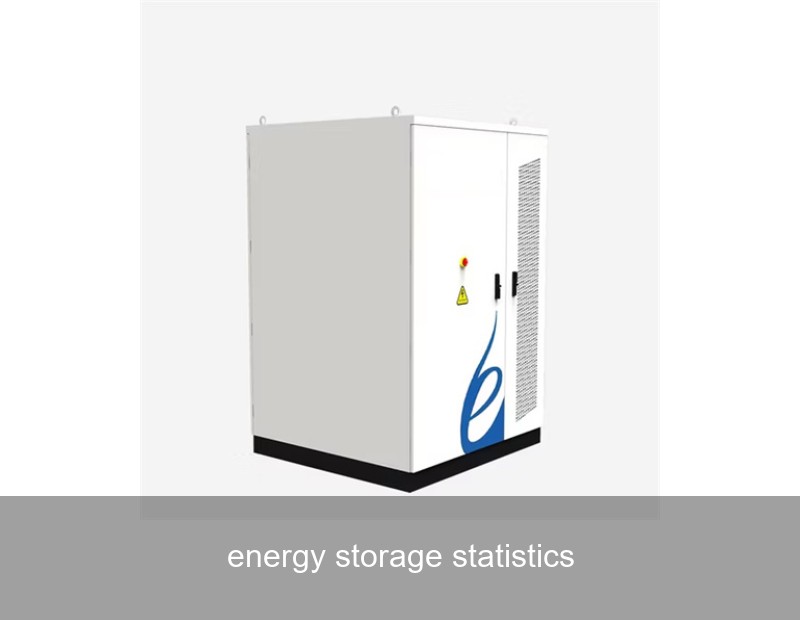
You’ve likely seen the headlines: “Battery Storage Capacity Soars by 300%” or “Global Energy Storage Market to Hit $500 Billion.” But what do these energy storage statistics really mean for your business, your community, or your home? Beyond the impressive figures lies a transformative story of how we generate, manage, and consume electricity. Let's dive into the data that's reshaping grids worldwide and explore the tangible solutions, like those from Highjoule, turning these statistics into reliable, clean power.
Table of Contents
The Phenomenon: From Grid Edge to Grid Essential
Not long ago, large-scale energy storage was a niche concept. Today, it’s the linchpin of the clean energy transition. Why the seismic shift? The phenomenon is driven by a confluence of factors: the explosive growth of intermittent renewables like solar and wind, increasing grid instability evidenced by extreme weather events, and the compelling economics of modern battery technology. Simply put, we have more variable power than ever, and grids designed for constant, centralized generation are feeling the strain. Storage is no longer just an option; it's the critical buffer ensuring the lights stay on.

Image Source: Unsplash - Photo of a grid-scale battery storage installation.
The Data: A Statistical Deep Dive
Let’s move beyond the headlines and look at the key energy storage statistics defining the market. The numbers tell a story of rapid scaling, geographical hotspots, and evolving technology.
Global Growth Trajectory
According to the International Energy Agency (IEA), the world added a record 42 GW of grid-scale battery storage capacity in 2023 alone—a 130% increase from the previous year. To put that in perspective, that’s roughly equivalent to the peak power demand of a country like Denmark. The United States and China are leading this charge, accounting for over 80% of new deployments.
Technology Mix and Costs
While lithium-ion batteries dominate the market (over 90% of new capacity), the statistics show a growing diversification. Here’s a breakdown of key metrics:
| Metric | 2019 Figure | 2024 Figure (Est.) | Trend |
|---|---|---|---|
| Average Lithium-ion Battery Pack Price | $156/kWh | $95/kWh | ↓ 39% Decrease |
| Global Grid-Scale Storage Capacity | ~28 GW | ~180 GW | ↑ 540% Increase |
| Average Duration (Hours of Storage) | ~2 hours | ~4 hours (increasing) | ↑ Longer Duration |
Data synthesized from IEA and BloombergNEF reports. This precipitous cost decline is a primary engine of adoption, making projects economically viable without heavy subsidies.
The Residential and Commercial Surge
The story isn't just about utility-scale. In markets like Germany, Italy, and the U.S., energy storage statistics for behind-the-meter systems are staggering. In 2023, over 1.5 million residential battery systems were installed globally, with Europe being a key driver due to high electricity prices and strong solar integration. Businesses are also turning to storage for demand charge management and backup power, creating a more resilient and efficient energy footprint.
The Case Study: Statistics in Action in California
Let’s ground these statistics in reality. California’s grid operator (CAISO) has faced the “duck curve” challenge—a deep midday dip in net demand due to solar, followed by a steep evening ramp as the sun sets. The state’s solution? Aggressively deploy storage.
The Data Point: In 2020, California had about 500 MW of grid-scale batteries. By the end of 2023, that number exploded to over 7,300 MW. That’s enough to power approximately 5.5 million homes for four hours.
The Real-World Impact: In September 2022, during a historic heatwave, this fleet of batteries delivered a critical 3,500 MW to the grid during the peak evening hours, averting rolling blackouts. This event wasn't just a test; it was proof that the statistics on paper translate directly to grid reliability. Storage shifted from being a marginal player to the hero of the hour, literally keeping the air conditioners running for millions.

Image Source: Unsplash - Technician in a control room for energy management.
The Insight: What the Numbers Mean for You
So, you’re not a grid operator. Why should you care about gigawatts and price curves? The insight from these energy storage statistics is universal: energy independence and economic efficiency are now within reach. For a factory owner, it means installing a system to shave peak demand charges, which can constitute up to 50% of an industrial electricity bill. For a hospital, it means guaranteed backup power that kicks in seamlessly. For a homeowner with solar panels, it means maximizing self-consumption of your solar energy, sometimes doubling the financial value of your rooftop system.
The technology has moved from prototype to product, and the economics have flipped from questionable to compelling. The key insight is that waiting often means missing out on savings and increased resilience.
How Highjoule Translates Trends into Trusted Solutions
At Highjoule, we’ve been part of this statistical journey since 2005. We don't just watch the trends; we build the solutions that make them relevant for our customers. Our expertise lies in designing intelligent systems that leverage these improving economics and technologies to deliver tangible value.
For Commercial & Industrial (C&I) Clients
Our Highjoule C&I ESS is engineered to tackle high demand charges and provide backup power. Using advanced AI-driven energy management software, the system learns your facility’s load patterns and strategically dispatches stored energy to reduce peak demand from the grid. The result? A significant reduction in your electricity bill and a smaller carbon footprint, with a typical payback period now under 5 years thanks to those falling battery costs we examined earlier.
For Residential and Microgrid Applications
Our Highjoule Home Energy Hub integrates seamlessly with solar PV, allowing homeowners to store excess daytime energy for use at night. This turns the statistical concept of “maximizing self-consumption” into a simple, automated reality on your phone app. For communities or remote facilities, our microgrid solutions combine solar, storage, and generator controls to create self-sustaining energy islands, immune to grid outages.
Every Highjoule system is built with safety, longevity, and intelligence at its core. We provide more than hardware; we provide a partnership for navigating the energy transition, backed by nearly two decades of global experience.
The Next Question for Our Energy System
The energy storage statistics are clear: the growth is exponential, and the impact is profound. We've moved from "if" to "how fast." But this rapid scaling presents its own new questions. As we install hundreds of gigawatt-hours of storage globally, how do we ensure the sustainable sourcing of materials and the efficient recycling of batteries at end-of-life? The industry's focus is now shifting towards creating a truly circular economy for storage. At Highjoule, we’re actively engaged in this next chapter through our design-for-recycling initiatives and partner networks.
So, as you look at your own energy bills, reliability concerns, or sustainability goals, the relevant question is no longer "Is storage viable?" but rather: "What is the optimal storage strategy for my specific needs, and how do I start planning for it today?"
 Inquiry
 Online Chat