


Energy Saving Solar Panels: The Smart Upgrade for Modern Power Independence
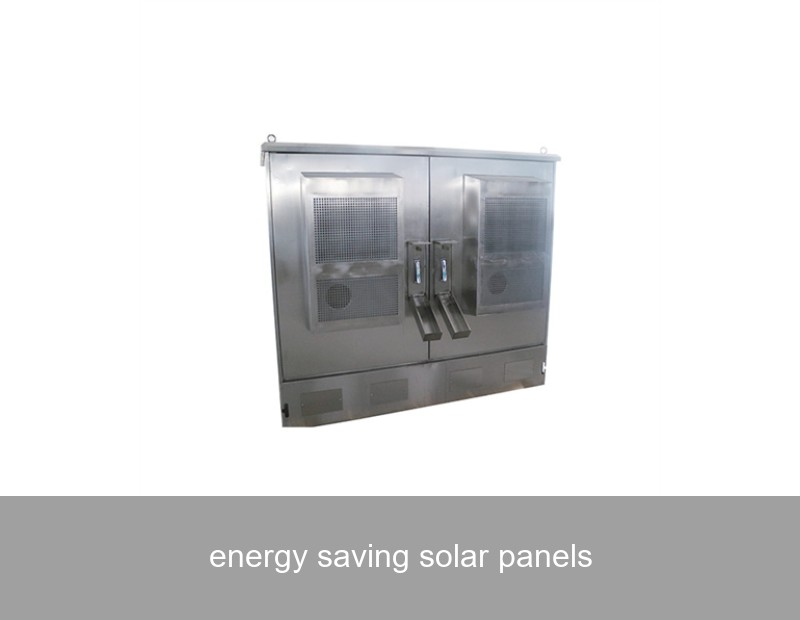
Let's talk about a common modern frustration. You installed solar panels, expecting a dramatic slash in your electricity bill and a giant leap towards sustainability. The sun shines, the panels produce, yet when you get your utility statement, the savings aren't quite as stellar as you hoped. This gap between solar production and real-world energy savings is a phenomenon countless homeowners and businesses face. The solution isn't just more panels; it's about smarter energy management. This is where the true potential of energy saving solar panels is unlocked—not as standalone units, but as the heart of an intelligent, storage-integrated system. At Highjoule, we've been engineering this intelligent integration since 2005, transforming simple solar arrays into resilient and efficient personal power plants.
Table of Contents
- The Solar Dilemma: Production vs. Consumption
- The Data Reality: Why Timing is Everything
- Case Study: A California Winery's Strategic Shift
- The Highjoule Solution: Intelligence Beyond the Inverter
- Key Components of a True Energy-Saving Solar System
The Solar Dilemma: Production vs. Consumption
Traditional solar panel systems operate on a simple, often inefficient, principle: generate during the day, consume what you can, and export the surplus to the grid. Here's the catch: solar production peaks in the middle of the day, while for most households and businesses, energy consumption peaks in the early morning and evening. This creates a fundamental mismatch. You're producing excess energy when it's least valuable and drawing expensive power from the grid when your panels are idle. Without a way to capture and time-shift that solar bounty, a significant portion of your potential savings—and self-sufficiency—simply vanishes.

Image Source: Unsplash (Illustrative graph added to show consumption vs. production mismatch)
The Data Reality: Why Timing is Everything
The financial impact of this mismatch is stark. In markets like California, Germany, and parts of the UK, feed-in tariffs (what you get paid for exported solar power) have plummeted, while time-of-use (TOU) rates have become standard. Under TOU, grid electricity can cost 2-3 times more during peak evening hours compared to midday. According to the U.S. Department of Energy, effectively managing this intermittency is the key to solar's value. The data shows a system with integrated storage can increase self-consumption of solar power from a typical 30-50% to over 80%, dramatically shielding you from peak rates and grid volatility.
Case Study: A California Winery's Strategic Shift
Consider the real-world example of a mid-sized winery in Napa Valley, California. They had a 250 kW solar array but faced crippling demand charges and high evening energy costs for refrigeration and lighting. Their solar system alone only reduced their overall energy bill by 40%. In 2022, they partnered with Highjoule to integrate a 500 kWh Highjoule HiveStack battery energy storage system (BESS) with their existing panels.
The results, measured over one year, were transformative:
| Metric | Before Integration | After Highjoule Integration |
|---|---|---|
| Bill Savings from Solar | 40% | 82% |
| Peak Demand Charges | Reduced by 15% | Reduced by 95% |
| Self-Consumption of Solar | ~35% | ~90% |
The system stores excess midday solar production and dispatches it during the expensive 4-9 pm window. Furthermore, the winery now operates as a microgrid during brief grid outages, protecting millions of dollars worth of inventory. This isn't just about solar panels; it's about energy saving solar panels working in concert with intelligent storage.
The Highjoule Solution: Intelligence Beyond the Inverter
At Highjoule, we view solar panels as the first step in the energy independence journey. Our expertise lies in the sophisticated orchestration behind the scenes. Our Highjoule Harmony OS is the brain of the operation. This AI-driven energy management platform doesn't just react; it predicts. By analyzing weather patterns, your historical consumption, and real-time grid conditions, it autonomously decides the most economical moment to store solar energy, power your home, or sell back to the grid.
For residential clients, our HomePower Hub series seamlessly integrates with new or existing solar installations. It's more than a battery; it's a unified interface that gives homeowners unparalleled control and visibility, turning complex energy flows into simple, actionable insights on a smartphone app. For commercial and industrial applications, our scalable HiveStack BESS solutions are engineered for rigorous duty cycles and can be tailored to manage demand charges, provide backup power, and even participate in grid services programs.

Image Source: Unsplash (Representative image of a modern home energy system with solar and storage)
Key Components of a True Energy-Saving Solar System
To move from basic solar generation to genuine energy savings, your system should be built around these interconnected pillars:
- High-Efficiency, Durable Solar Panels: The foundation. Quality panels with high conversion rates and strong degradation warranties ensure maximum harvest over 25+ years.
- Smart Inverter/Charger: The crucial link that converts DC solar power to AC for your home and intelligently manages battery charging and discharging. Highjoule systems use bi-directional inverters for seamless operation.
- Lithium-Ion Battery Storage: The heart of time-shifting. Modern LiFePO4 (Lithium Iron Phosphate) batteries, like those in Highjoule products, offer superior safety, longevity (10,000+ cycles), and stable performance.
- Energy Management System (EMS): The brain. This software, like our Harmony OS, optimizes every kilowatt-hour for economics and resilience, learning and adapting to your lifestyle.
- System Monitoring & Control: Your window into the system. Real-time dashboards and alerts empower you to track performance, savings, and environmental impact.
Making the Decision: Is an Integrated System Right for You?
Upgrading to an integrated solar-plus-storage system is a significant decision. It delivers the highest value if you face high electricity rates, time-of-use billing, unreliable grid power, or simply wish to maximize your environmental contribution and energy independence. The investment is front-loaded, but the long-term payoff—in bill savings, property value increase, and peace of mind—is substantial. It transforms your relationship with energy from passive consumer to active manager.
As the International Energy Agency (IEA) consistently highlights, the future of energy is decentralized, digitalized, and renewable. Energy saving solar panels, in their most effective form, are the cornerstone of this future.
What's the first energy load in your home or business you would want a smart, self-powered system to take off the grid for good?
 Inquiry
 Online Chat