


Where to Buy Solar Panels: Your Guide to a Smarter, More Sustainable Investment
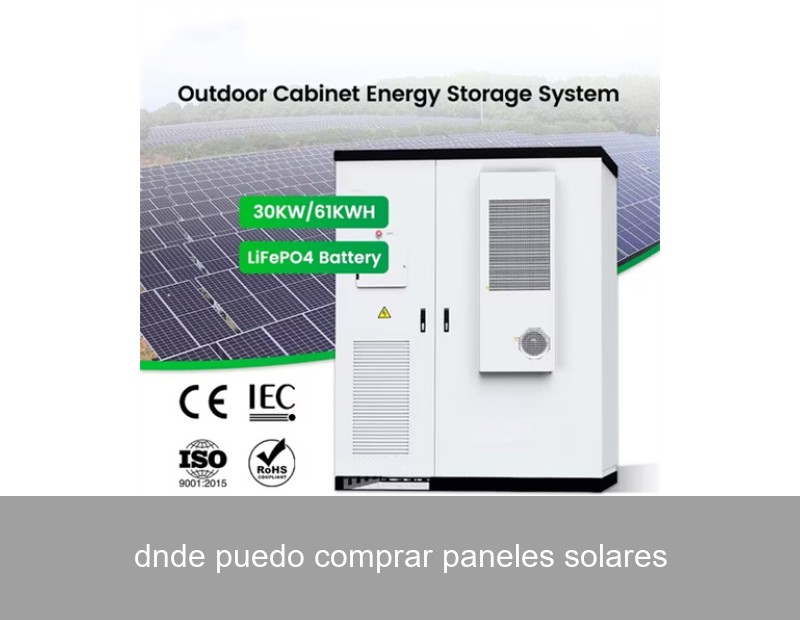
So, you're asking the pivotal question: dónde puedo comprar paneles solares? Or, for our English-speaking audience, "where can I buy solar panels?" This is an excellent first step, but let's reframe it. You're not just looking for a product on a shelf; you're seeking a long-term energy solution for your home or business. The journey from sunlight to reliable power in your outlets involves more than just photovoltaic modules. It's about system design, integration, and most importantly, how you'll use the energy you generate. As a global leader in advanced energy storage since 2005, Highjoule sees the bigger picture. Let's explore why the "where" is deeply connected to the "what" and "why" of your entire energy ecosystem.
Your Solar Purchase Paths: Navigating the Marketplace
The market offers several avenues to acquire solar panels, each with distinct advantages and considerations. Understanding these will help you align your purchase with your technical comfort and project goals.
- Local Solar Installers/Integrators: This is the most common and recommended path for most homeowners and businesses. A reputable installer provides a turnkey service: site assessment, system design, permitting, installation, and commissioning. They source panels, inverters, and mounting hardware, offering you a single point of contact and warranty responsibility. Your key task here is vetting the installer's credentials, experience, and proposed system design, not just the panel brand.
- National Retailers & Home Improvement Stores: In the US and parts of Europe, large retailers may sell solar panel kits. These can be suitable for confident DIY enthusiasts with small-scale projects (like a shed or RV). However, they often lack the comprehensive design support and grid-connection expertise needed for a whole-home system. The electrical work and permitting remain your responsibility.
- Online Marketplaces & Direct from Manufacturers: You can purchase panels directly from manufacturers or through online B2B platforms. This typically offers the lowest hardware cost per watt. Critical Note: This path is almost exclusively for professional installers or highly experienced individuals. You must separately source all other components (inverters, racking, cables) and manage system engineering, logistics, and installation—a complex puzzle where compatibility is key.
| Purchase Channel | Best For | Key Considerations |
|---|---|---|
| Local Installer | Homeowners, Businesses seeking hassle-free, code-compliant installation | Total project cost, installer reputation, warranty & service package |
| National Retailers | DIY enthusiasts with small, off-grid projects | Kit completeness, self-managed permitting & electrical work |
| Online/Direct | Energy professionals, system integrators | Component compatibility, logistics, full system design liability |
The Critical Piece Most Buyers Overlook: It's Not Just About the Panels
Here's a fundamental insight from the industry: solar panels are a means of energy generation, but the real value is in energy management. Panels produce power primarily in the middle of the day. If you're at work, your home's consumption is low, and excess energy gets fed back to the grid, often at a low feed-in tariff. In the evening, when demand peaks, you draw expensive power from the grid. This mismatch limits your savings and energy independence.
This is where the conversation must evolve. Asking "dónde puedo comprar paneles solares" should lead you to ask, "How do I store and intelligently use my solar energy?" The answer transforms your system from a simple generator into a resilient, money-saving asset.

Image: A modern solar and storage installation. The battery system (on the wall) is as crucial as the panels (on the roof). Source: Unsplash
Case Study: Maximizing Solar ROI in a Bavarian Dairy Farm
Let's look at real data. A medium-sized dairy farm in Bavaria, Germany, installed a 50 kWp solar array on its barn roofs in 2020. Initially, without storage, they used only 30% of their solar generation directly, selling the rest to the grid. Their annual electricity bill reduction was approximately €5,200.
In 2022, they partnered with a Highjoule-certified integrator to add a Highjoule HES-30 commercial energy storage system. This 30 kWh battery, coupled with our intelligent energy management system (EMS), changed the economics dramatically:
- Solar Self-Consumption Rate increased from 30% to over 85%.
- Grid Dependence during expensive peak evening hours was reduced by 95%.
- Annual Energy Cost Savings jumped from €5,200 to €14,300, paying back the storage addition in under 5 years.
- Added Resilience: The system now provides backup power for critical cooling and milking operations during grid outages.
This case, mirrored by thousands across Europe and the US, underscores the point: the value of your panels is unlocked by storage. The farm didn't just buy panels; they invested in an intelligent energy system. (Farm data is anonymized from a Highjoule partner project. For general industry trends on solar self-consumption, see this report from the International Energy Agency).
The Highjoule Solution: Intelligent Energy Storage as Your Foundation
At Highjoule, we don't sell solar panels. We empower the systems they are part of. Our focus is on the brain and battery of your energy setup: advanced Battery Energy Storage Systems (BESS) and intelligent software. When you work with a Highjoule-certified partner to answer "dónde puedo comprar paneles solares," you're getting a holistic solution.
Our product suite, designed for residential, commercial, and microgrid applications, includes:
- Residential HES-Series: Scalable lithium iron phosphate (LFP) battery systems known for safety, longevity (over 6,000 cycles), and seamless integration with any major solar inverter brand. Our app lets you monitor and optimize your home's energy flow in real-time.
- Commercial & Industrial (C&I) HES-M Series: Modular, high-power storage solutions that help businesses reduce demand charges, participate in grid services, and ensure operational continuity. The integrated EMS automatically shifts energy use to the most cost-effective times.
- Highjoule Energy Management Platform: The cloud-based intelligence that turns raw storage into a smart grid asset. It can be configured to prioritize self-consumption, peak shaving, or backup readiness based on your goals.
Think of it this way: purchasing solar panels is like buying a water well. A Highjoule storage system is the reservoir and plumbing that ensures you have clean water whenever you need it, day or night, regardless of whether the well is actively drawing.
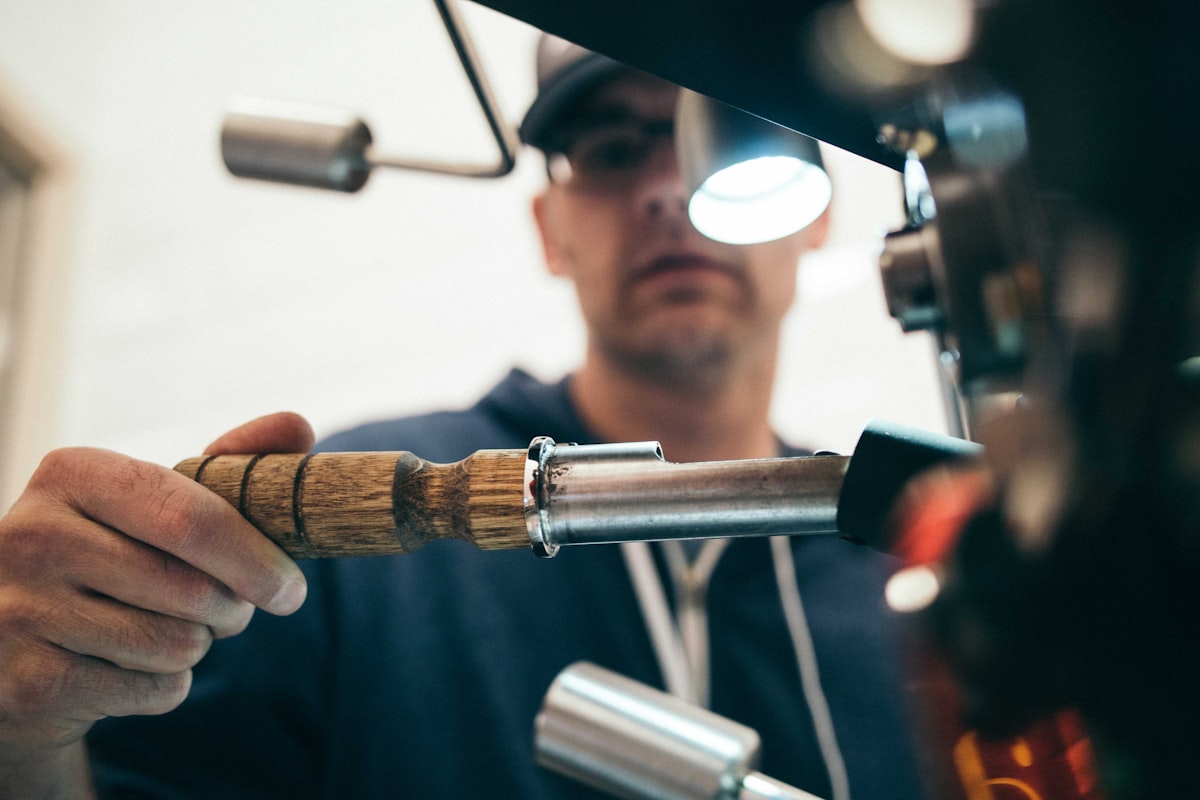
Image: The inside of a modern, modular battery energy storage system. Source: Unsplash
Making the Right Choice for Your Home or Business
So, how should you proceed? Start by defining your objectives: Is it purely bill savings, energy independence, backup power, or sustainability? Then, seek out a qualified system integrator or installer—this is your most important "purchase." Discuss your goals and ensure they design a system that includes both generation and storage from the outset.
A reputable installer will assess your energy consumption patterns (ask to see your utility bills!), your roof's suitability, and local regulations. They should present a financial analysis showing payback period and lifetime savings. Crucially, they should be proficient in integrating storage, not just panels. For deeper technical understanding of system sizing, resources like the U.S. Department of Energy's Solar Guide provide a good foundation.
Your Next Step: The Right Questions to Ask
Instead of just searching for "dónde puedo comprar paneles solares," begin conversations with potential installers using these questions:
- "How will you design my system to maximize my own use of solar energy, not just its production?"
- "What is your experience with integrating battery storage, and what storage brands do you recommend?"
- "Can you provide a scenario analysis showing my savings and self-sufficiency with and without storage?"
- "How does the Highjoule system specifically enhance the performance and ROI of the solar panels you propose?"
By elevating your question from a simple purchase to a strategic energy plan, you're not just buying hardware; you're investing in a resilient, efficient, and sustainable energy future for your property. The best place to "buy solar panels" is through a partner who understands that the panels are just the beginning of the story. What energy challenge are you hoping to solve with your solar investment?
 Inquiry
 Online Chat