


Distributed Energy Storage: The Smart, Local Power Revolution
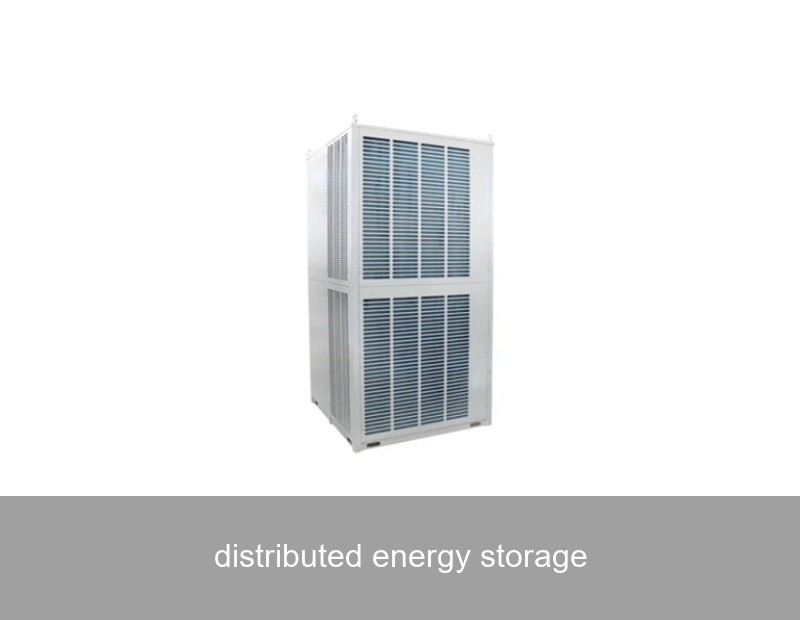
Have you ever watched your electricity meter spin wildly on a hot afternoon, or wondered what happens when the grid goes down and your business grinds to a halt? For decades, our power system has been a one-way street: electricity flows from large, centralized power plants, over vast networks of wires, directly to our homes and businesses. But a quiet revolution is changing this model, putting power—literally—back into the hands of consumers and communities. This revolution is called distributed energy storage, and it's transforming how we generate, store, and use electricity. By decentralizing power capacity, we're building a grid that is more resilient, efficient, and sustainable. Let's explore how this technology works and why it's becoming the cornerstone of a modern energy strategy.
Table of Contents
- What is Distributed Energy Storage?
- The Problem: An Inflexible Grid Meets Volatile Renewables
- The Data: Why Decentralization is Winning
- Case Study: A German Industrial Park's Success Story
- The Solution: Intelligent Storage Systems
- Highjoule's Role in the Distributed Future
- The Future is Local and Interactive
What is Distributed Energy Storage?
Unlike a single, massive grid-scale battery, distributed energy storage refers to a network of smaller, interconnected storage systems installed at or near the point of energy consumption. Think of it as moving from a few giant reservoirs to having a personal water tank in every home and building. These systems typically use lithium-ion battery technology and are paired with on-site generation like solar panels. They can be installed in residential basements, on commercial properties, or within industrial facilities, creating a web of flexible energy resources across the grid.

Image Source: Unsplash - Example of a residential distributed storage setup.
The Problem: An Inflexible Grid Meets Volatile Renewables
Here's the core challenge: our century-old grid was built for constant, predictable power flows. Today, we're adding vast amounts of variable renewable energy—solar and wind. The sun doesn't always shine, and the wind doesn't always blow, creating a mismatch between generation and demand. This leads to two critical issues:
- Grid Congestion & Price Spikes: During peak demand (e.g., summer evenings), electricity prices skyrocket, and grid infrastructure is pushed to its limits.
- Renewable Curtailment: Ironically, grid operators sometimes have to pay wind or solar farms to switch off when production exceeds what the grid can handle, wasting clean energy.
This inflexibility costs consumers money and slows the clean energy transition.
The Data: Why Decentralization is Winning
The numbers tell a compelling story. According to the U.S. Department of Energy's Solar Futures Study, achieving high levels of solar energy (up to 40% of U.S. electricity) will require a massive expansion of energy storage, much of it distributed, to manage the variability. In Europe, the European Association for Storage of Energy (EASE) estimates that the EU will need at least 200 GW of energy storage by 2030, with a significant portion being decentralized, to meet its climate goals.
But it's not just about grid needs. For businesses and homeowners, the financial logic is clear. Distributed storage allows for:
| Benefit | Impact |
|---|---|
| Peak Shaving | Reducing demand during expensive peak hours, slashing utility bills by 20-40%. |
| Backup Power | Providing seamless, instantaneous power during outages, ensuring business continuity. |
| Renewable Self-Consumption | Storing excess solar energy for use at night, increasing on-site clean energy use from ~30% to over 60%. |
Case Study: A German Industrial Park's Success Story
Let's look at a real-world example. A medium-sized manufacturing park in Bavaria, Germany, faced steep "peak demand" charges and wanted to stabilize its operations against grid fluctuations. They installed a 1.2 MWh distributed energy storage system across three of their main facilities, integrated with an existing rooftop solar array.
- Cost Savings: A 28% reduction in overall electricity costs, primarily by avoiding peak demand charges.
- Grid Support: The system automatically reduces its draw from the grid during periods of regional congestion, earning the park additional grid service revenue.
- Reliability: Critical production lines now have 4 hours of backup power, preventing costly stoppages.
- Sustainability: On-site consumption of their solar power increased from 35% to 78%, dramatically reducing their carbon footprint.
This case exemplifies the triple win of distributed storage: economic, operational, and environmental.
The Solution: Intelligent Storage Systems
The true magic of modern distributed energy storage isn't just in the battery cells; it's in the intelligence that controls them. A basic battery is a blunt instrument. An intelligent storage system, like those developed by Highjoule, is a precision tool. It uses sophisticated energy management software (EMS) to make millisecond-by-millisecond decisions: Should I charge from the solar panels now? Should I discharge to shave the building's peak demand? Should I hold reserve for a potential grid outage?
This intelligence is what transforms a collection of individual batteries into a virtual power plant (VPP)—a coordinated network that can provide valuable services to the wider grid, like frequency regulation or capacity during emergencies, all while prioritizing the owner's economic and reliability needs.

Image Source: Unsplash - Centralized monitoring of distributed assets.
Highjoule's Role in the Distributed Future
Since 2005, Highjoule has been at the forefront of this intelligent storage revolution. We understand that a one-size-fits-all approach doesn't work for distributed energy storage. That's why our product suite is designed to meet specific needs across the ecosystem:
- For Homes & Small Businesses: Our H-Joule HomePower series is a sleek, all-in-one unit that integrates seamlessly with solar. Its AI-driven software learns your energy habits to maximize savings and comfort, giving you control and peace of mind.
- For Commercial & Industrial (C&I) Sites: The Highjoule C&I PowerStack is a modular, scalable powerhouse. It's engineered for the rigorous demand of factories, data centers, and office parks, offering advanced peak shaving, tariff optimization, and mission-critical backup. Its modular design allows for easy capacity expansion as your needs grow.
- For Utilities & Microgrids: Our GridSynch Platform is the brains behind the operation. It aggregates hundreds of distributed Highjoule storage systems (or other assets) to form a reliable virtual power plant. This allows grid operators to access flexible capacity when and where it's needed most, deferring costly infrastructure upgrades and integrating more renewables.
Our approach combines robust, safe hardware with cloud-native, intelligent software, ensuring every installation is not just a battery, but a smart grid asset.
The Future is Local and Interactive
The trajectory is clear. The grid of the future will be a two-way street, powered by millions of distributed points of generation and storage. This isn't just a technological shift; it's a philosophical one—towards energy democracy, resilience, and sustainability. As electric vehicle adoption soars, EVs themselves will become mobile distributed storage units, further amplifying this trend.
The question is no longer if distributed energy storage will become mainstream, but how quickly and how intelligently we can deploy it. The benefits—from lower bills and a more reliable grid to a cleaner planet—are too significant to ignore.
Is your home or business ready to become an active participant in the new energy landscape? What would energy independence look like for you?
 Inquiry
 Online Chat