


Understanding the Different Types of Solar Systems: A Guide for Homeowners and Businesses
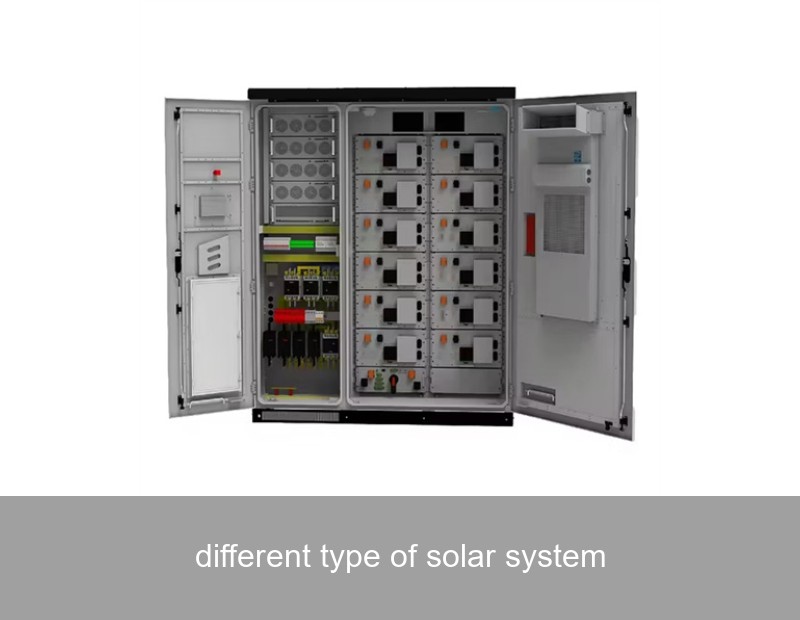
So, you're thinking about going solar. It's a fantastic decision, promising energy independence and lower bills. But as you start your research, you quickly encounter a maze of terms: on-grid, off-grid, hybrid. What are these different types of solar systems, and which one is the right fit for your energy goals? Choosing correctly is crucial, as it determines your relationship with the utility grid, your power reliability, and your overall savings. This guide will demystify the three primary solar system configurations, using real-world data and examples, to help you make an informed choice that aligns with your needs in Europe or the US.
Table of Contents
The Three Main Solar System Architectures
At its core, a solar photovoltaic (PV) system converts sunlight into electricity. However, the setup around those panels defines its type and capability. The key differentiator is the connection to the public electricity grid and the use of energy storage. Let's break down the three fundamental types:
- On-Grid (Grid-Tied) Systems: Connected directly to the public utility grid.
- Off-Grid (Standalone) Systems: Operate completely independently of the utility grid.
- Hybrid (Grid-Tied with Battery Storage) Systems: Combine a grid connection with battery storage for enhanced control.
Each type serves a distinct purpose, and the "best" choice depends entirely on your location, energy consumption patterns, budget, and priorities like backup power.
On-Grid Systems: The Common Choice
This is the most prevalent type of solar system installed in urban and suburban areas across Europe and the United States. It's a relatively simple and cost-effective setup where your solar panels are connected to the public electricity grid.
How It Works & The Net Metering Advantage
During sunny hours, your panels generate electricity to power your home. Any excess energy you don't use immediately is fed back into the grid. This process is managed by a grid-tie inverter. In many regions, you receive credits for this exported power through a mechanism called net metering. At night or on cloudy days, you simply draw power from the grid as usual, using up your credits.
Pros and Cons at a Glance
| Advantages | Disadvantages |
|---|---|
| Lower upfront cost (no batteries needed) | No power during grid outages (for safety reasons) |
| High efficiency and simple maintenance | Dependent on grid policies and net metering rates |
| Reduces electricity bills significantly | Does not provide energy independence |
The Bottom Line: On-grid systems are perfect if your primary goal is to cut electricity costs, you have a reliable grid, and backup power isn't a critical concern.
Off-Grid Systems: Total Energy Independence
Imagine being completely self-sufficient for your power needs. That's the promise of an off-grid solar system. These systems are not connected to the utility grid at all and are common in remote cabins, rural farms, or any location where grid connection is prohibitively expensive or unavailable.
Image Source: Unsplash - Off-grid systems are vital for remote power.

The Critical Role of Battery Storage
Since there's no grid to fall back on, energy storage is non-negotiable. A large-capacity battery bank stores excess solar energy generated during the day for use at night and during periods of low sunlight. A charge controller protects the batteries, and an off-grid inverter converts the stored DC power to AC for home use. Given the variability of solar energy, a backup generator (often diesel or propane) is frequently part of the design to ensure reliability through long, cloudy spells.
Is Off-Grid Living for You?
While the idea is appealing, off-grid systems require a significant lifestyle adjustment. You must be highly conscious of your energy consumption—running high-power appliances simultaneously might drain your batteries. The system must also be meticulously sized to meet your worst-case energy needs, not just your average, which leads to higher initial costs for both panels and a large battery bank.
Hybrid Solar Systems: The Best of Both Worlds
What if you want the financial benefits and security of a grid connection, but also desire backup power and greater self-consumption of your solar energy? Enter the hybrid solar system, arguably the most intelligent and versatile configuration available today. This is where modern technology truly shines, and where companies like Highjoule excel.
A hybrid system integrates solar panels, a hybrid inverter, and a battery energy storage system (BESS), all while maintaining a connection to the grid. The intelligence of the system's controller is what sets it apart.
Smart Energy Management in Action
Here's how a sophisticated hybrid system, such as those in the Highjoule product portfolio, operates:
- Priority 1: Solar power directly runs your home appliances in real-time.
- Priority 2: Excess solar energy charges your battery storage (e.g., Highjoule's H-Store residential battery), not the grid.
- Priority 3: Once batteries are full, surplus energy is exported to the grid for credits.
- Priority 4: At night, your home is powered by the stored energy in your batteries, minimizing grid draw.
- Backup Mode: During a grid outage, the system automatically isolates from the grid (islanding) and continues to power critical loads from the solar panels and batteries.
This smart orchestration maximizes self-consumption—using your own clean energy—which is becoming more valuable than export credits in many areas as feed-in tariffs decline. For commercial and industrial applications, Highjoule's GridMaster series takes this further, offering peak shaving and demand charge management to deliver substantial operational savings.
Case Study: A German Business Embracing Hybrid Power
Let's look at a real example to see the impact. A medium-sized dairy processing plant in Bavaria, Germany, faced two issues: high electricity demand charges and a need for uninterrupted power for refrigeration. Their grid connection was stable, but power quality fluctuations and occasional short outages posed a risk.
Solution: In 2022, they installed a 250 kWp solar array coupled with a 500 kWh Highjoule Industrial Battery Storage System in a hybrid configuration.
Results (Data after 12 months of operation):
- Self-Consumption Rate: Increased from 35% (solar only) to over 80% (solar + storage).
- Demand Charges: Reduced by approximately 40% by using stored energy to "shave" peak power draws from the grid.
- Grid Independence: The system provided full backup for critical cooling loads for up to 6 hours during a planned grid maintenance outage, preventing spoilage.
- ROI: Projected payback period of under 7 years, factoring in energy savings, demand charge reduction, and German government incentives for commercial storage.
This case illustrates how the hybrid model moves beyond simple bill savings to become a strategic asset for business continuity and cost predictability.
Choosing Your Solar System: Key Considerations
Now that you understand the different types of solar systems, how do you decide? Ask yourself these key questions:
- Grid Reliability & Outage Frequency: Do you experience frequent or long power cuts? If yes, off-grid or hybrid becomes attractive.
- Financial Drivers: Is your main goal to reduce monthly bills (on-grid/hybrid) or to eliminate them entirely (off-grid)? Research local net metering and battery incentive programs, like the U.S. federal tax credit for solar and storage.
- Energy Consumption Patterns: Do you use most power during the day (good for on-grid) or in the evening (excellent for hybrid with storage)?
- Future-Proofing: Are electric vehicles or additional home electrification in your plans? A hybrid system with scalable storage, like Highjoule's modular designs, offers the flexibility to grow with your needs.
Image Source: Unsplash - Future-proofing with solar and EV charging.

The landscape of energy is shifting from passive consumption to active management. The different types of solar systems offer a pathway for every user, from the budget-conscious homeowner to the security-focused business. For those seeking the optimal balance of savings, resilience, and sustainability, the intelligent hybrid system, powered by advanced storage solutions from providers like Highjoule, is increasingly becoming the new standard.
Does the idea of having an intelligent energy system that manages solar, storage, and the grid to deliver maximum savings and peace of mind resonate with your goals for your home or business?
 Inquiry
 Online Chat