


How Much Does a Photovoltaic Solar Panel Cost? A Complete Guide for Homeowners
You've decided to explore solar energy. It's a smart move. The sun is a powerful, free source of energy, and harnessing it can lead to significant savings and energy independence. But inevitably, one of the first questions that comes to mind is: ¿Cuánto cuesta un panel solar fotovoltaico? (How much does a photovoltaic solar panel cost?). The truth is, there's no single price tag. The final cost of your solar journey depends on a fascinating interplay of components, energy needs, and long-term value. Let's demystify the real cost of solar power together.
Table of Contents
- Breaking Down the Cost: More Than Just the Panels
- Key Factors Influencing Your Solar Panel System Price
- From Price to Value: Calculating Your True Solar Investment
- A Real-World Case Study: The Johnson Family in California
- The Future is Integrated: Beyond Basic Solar Panels
- Is Your Home Ready for a Solar Transformation?
Breaking Down the Cost: More Than Just the Panels
When we ask about the cost of a solar panel, we're really asking about the cost of a complete solar photovoltaic (PV) system. Think of it like buying a car—you don't just pay for the engine; you pay for the integrated system that gets you moving. A functional solar system includes:
- Solar Panels (Modules): The most visible part, converting sunlight into DC electricity.
- Inverters: The brain of the system. They convert the DC electricity from panels into usable AC electricity for your home. Options include string inverters, microinverters, and hybrid inverters for battery systems.
- Mounting System & Racking: The secure foundation that attaches panels to your roof or ground.
- Electrical Components: Wiring, conduits, disconnect switches, and the critical safety equipment.
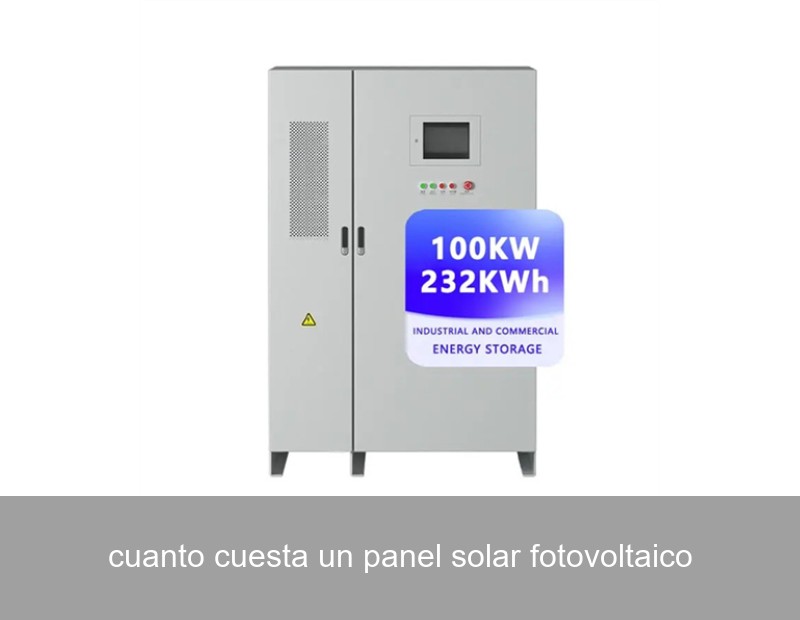
- Energy Storage (Battery): An optional but increasingly popular addition that stores excess energy for use at night or during outages.
- Installation & Labor: Professional design, permitting, and installation by certified technicians.
According to the National Renewable Energy Laboratory (NREL), hardware (panels, inverters, mounting) typically makes up about 50-60% of the total system cost, with "soft costs" like installation, permitting, and sales making up the rest.
Key Factors Influencing Your Solar Panel System Price
So, what makes your neighbor's quote different from yours? Several variables are at play:
| Factor | Impact on Cost | Why It Matters |
|---|---|---|
| System Size (kW) | Directly proportional | Larger systems to offset high energy use cost more upfront but deliver greater long-term savings. |
| Panel Efficiency & Type | High-efficiency (e.g., monocrystalline) panels cost more per panel | You may need fewer high-efficiency panels to meet your energy needs, which can save on roof space and balance costs. |
| Inverter Technology | Microinverters add 10-20% vs. string inverters | Microinverters optimize each panel's output and provide detailed monitoring, offering better performance in shaded conditions. |
| Roof Complexity | Steep pitch, multiple angles, or obstructions increase labor | A simple, south-facing roof is the most cost-effective to equip. |
| Location & Incentives | Can reduce net cost by 30-50% | The U.S. Federal Investment Tax Credit (ITC), local rebates, and net metering policies dramatically affect your final investment. |
| Adding Battery Storage | Can double the system cost | Adds energy security and maximizes self-consumption, turning solar into a 24/7 power solution. |
From Price to Value: Calculating Your True Solar Investment
Focusing solely on the upfront cost is like judging a book by its cover price without reading the story. The real metric is lifetime value. Here's the smarter way to think about it:
- Cost per Watt ($/W): This is the industry standard for comparing quotes. It's the total gross system cost divided by its size in watts (DC). As of 2024, the average cost for residential solar in the U.S. is around $2.70 to $3.50 per watt before incentives. A 10 kW system at $3.00/W would have a gross cost of $30,000.
- Net Cost After Incentives: Apply the 30% federal ITC to that $30,000 system, and the cost drops to $21,000. State or utility rebates could lower it further.
- Payback Period & ROI: Divide your net cost by your estimated annual electricity savings. If you save $1,500 yearly on a $21,000 net system, your simple payback is 14 years. With panels lasting 25+ years, you enjoy over a decade of nearly free electricity, resulting in a high return on investment.
This is where choosing a system designed for longevity and performance is crucial. At Highjoule, we don't just sell components; we engineer integrated energy solutions. Our Highjoule H-Series Home Energy System combines premium high-efficiency panels with our intelligent hybrid inverter and optional Highjoule Matrix™ Battery. This integration ensures all components communicate seamlessly, maximizing efficiency, simplifying maintenance, and extending system lifespan—factors that directly protect your investment and enhance its value over time.
A Real-World Case Study: The Johnson Family in California
Let's make this concrete. The Johnson family in Sacramento, CA, had a monthly electricity bill averaging $220. Their goal: eliminate their bill and gain backup power for frequent grid outages.
- System Installed: A 12.8 kW solar array with a Highjoule Matrix 15 kWh battery storage system.
- Gross Cost: $42,000 (approximately $3.28/W for the solar portion).
- Net Cost After 30% ITC: $29,400.
- Annual Savings & Earnings: They now save $2,640 on their utility bill annually. Through California's net metering policy, they also earn small credits for excess energy sent back to the grid in summer.
- Added Value: During a planned two-day grid outage, their home ran uninterrupted on solar and battery power. "The system paid for itself in peace of mind during that single event," Mr. Johnson noted.
Their projected payback period is just over 11 years. For the remaining 14+ years of the system's guaranteed life, their energy costs will be minimal. The U.S. Department of Energy emphasizes that such long-term planning is key to realizing solar's financial benefits.

Image Source: Unsplash (Professional photo of a residential solar installation)
The Future is Integrated: Beyond Basic Solar Panels
The conversation is evolving from "solar panel cost" to "energy management system value." The most resilient and economical homes now use an integrated approach. This is Highjoule's expertise. Our Energy Hub Manager software, included with every system, allows homeowners to:
- Monitor energy production and consumption in real-time.
- Automatically switch to battery power during peak utility rate hours (load shifting) to save more money.
- Prioritize critical loads during an outage.
- Receive proactive system health alerts.
This intelligent layer transforms a capital expense into a dynamic asset that actively manages your home's energy economy, delivering value far beyond simple kilowatt-hour generation.
Is Your Home Ready for a Solar Transformation?
Asking "¿Cuánto cuesta un panel solar?" is the first step on a rewarding journey. The more insightful question is: "What is the value of energy independence, predictable costs, and a lower carbon footprint for my home?"
The answer starts with a personalized assessment. Your roof's orientation, local climate, electricity rates, and personal energy goals are unique. Highjoule's experts provide tailored consultations that analyze these factors, presenting clear scenarios on cost, savings, and system options—from simple solar arrays to full Highjoule Smart Microgrid solutions for complete energy autonomy.

Image Source: Unsplash (Technician monitoring a solar energy system performance)
What energy challenge would you like to solve first—reducing your monthly bill, preparing for unpredictable weather, or simply taking a definitive step towards a sustainable lifestyle?
 Inquiry
 Online Chat