


Understanding the True Cost of an Off-Grid Solar System
Thinking about cutting the cord and achieving true energy independence? The idea of powering your home or business solely with the sun is incredibly appealing. But when you start researching, the big question emerges: what is the real cost of an off-grid solar system? It's more than just a stack of panels on your roof. This comprehensive guide will break down the components, variables, and long-term value of going off-grid, helping you move from curiosity to a clear-eyed investment plan.
Table of Contents
- Breaking Down the Cost: It's More Than Just Panels
- Key Factors That Swing Your Off-Grid System Cost
- Case Study: Real Numbers from a California Homestead
- Beyond the Sticker Price: The Value of Energy Resilience
- Highjoule's Tailored Approach to Off-Grid Solutions
- Making the Decision: Is Off-Grid Right for You?
Breaking Down the Cost: It's More Than Just Panels
Let's demystify the system first. A functional off-grid solar system is an ecosystem of components working in harmony. The upfront cost encompasses all of these parts and the expertise to integrate them.
- Solar Panels: The most visible component. Costs have dropped dramatically, but quality and output (wattage) matter.
- Energy Storage (Batteries): This is the heart of an off-grid system. You're not just paying for a battery; you're paying for your available energy at night and during cloudy days. Battery technology (lead-acid vs. lithium-ion), capacity (kWh), and lifespan are major cost drivers.
- Inverter & Charger: The brain of the operation. A sophisticated inverter converts DC from panels/batteries to AC for your appliances. Many modern systems use an all-in-one inverter/charger that also manages power from backup generators.
- Balance of System (BOS): This includes mounting hardware, wiring, circuit breakers, combiner boxes, and the critical monitoring system.
- Installation & Professional Design: Perhaps the most crucial cost. Proper system sizing, electrical work, and commissioning by certified professionals ensure safety, reliability, and compliance with local codes (like the NEC in the US).
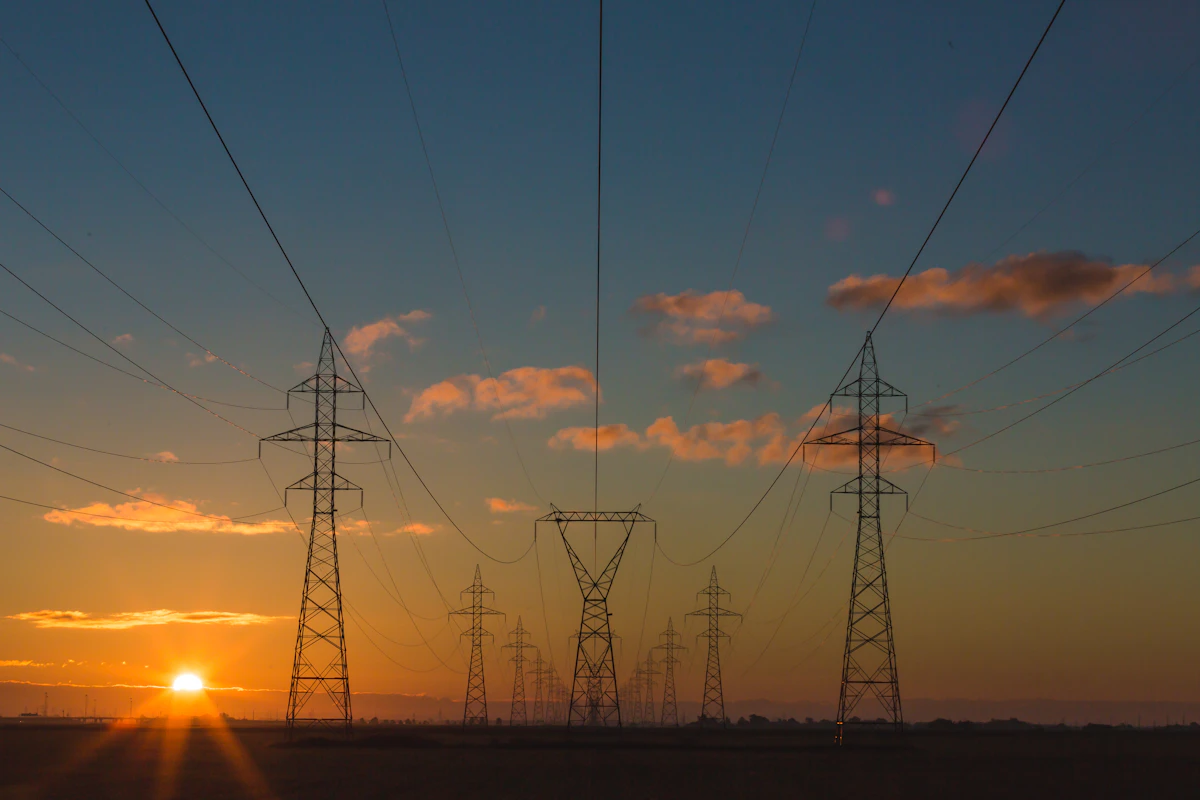
Image: A complete off-grid installation requires robust panels and substantial battery storage. (Photo by American Public Power Association on Unsplash)
Key Factors That Swing Your Off-Grid System Cost
Why does one quote come in at $20,000 and another at $80,000? These variables create the range:
- Your Energy Consumption: This is the starting point. A small cabin with LED lights and a fridge has vastly different needs than a full-time family home with well pumps, HVAC, and modern appliances. An accurate energy audit is non-negotiable.
- Location & Solar Resource: A home in sun-drenched Arizona needs fewer panels than one in cloudy Washington state to generate the same energy, affecting panel and land/mounting costs.
- Days of Autonomy: How many cloudy days in a row do you want to power through without sun? More days = larger, more expensive battery banks.
- Technology Choice: Lithium-ion batteries, like those in Highjoule systems, have a higher upfront cost than lead-acid but last 2-3 times longer, offer greater usable capacity, and require zero maintenance, providing better lifetime value.
| System Scale | Typical Configuration | Estimated Price Range (Installed) | Best For |
|---|---|---|---|
| Small Cabin/Weekend | 2-4 kW Solar, 10-20 kWh Lithium Storage | $15,000 - $30,000 | Light, intermittent use |
| Full-Time Family Home | 8-12 kW Solar, 30-50 kWh Lithium Storage | $45,000 - $80,000+ | Year-round living with standard appliances |
| Commercial/Agricultural | 20 kW+ Solar, 100+ kWh Storage | $100,000 - $500,000+ | Farms, remote telecom, small businesses |
Case Study: Real Numbers from a California Homestead
Let's look at a real-world example. The Miller family built a 2,000 sq ft off-grid homestead in Northern California. Their priority was year-round resilience with a modern lifestyle. After an energy audit, their needs were calculated at 35 kWh per day.
- System Design: A 12 kW ground-mounted solar array, paired with a 48 kWh lithium iron phosphate (LFP) battery bank and a robust 10 kW inverter/charger.
- Installed Cost (2023): Approximately $72,000, before any state incentives.
- Incentives: They utilized the federal Investment Tax Credit (ITC), which applies to solar *and* battery storage for off-grid systems, reducing their net cost by 30%.
- Long-term View: "Comparing it to the quoted $45,000 to bring utility power up our mile-long driveway, plus a lifelong monthly bill, the math made sense," explains Mr. Miller. "Our 'utility bill' is now just the minimal cost of a backup generator service every few years."
Beyond the Sticker Price: The Value of Energy Resilience
Focusing solely on upfront cost misses the broader picture. The value proposition of off-grid solar is multi-faceted:
- Zero Utility Bills: You are immune to rising electricity rates. Over 25+ years, this represents a massive, predictable cost avoidance.
- Ultimate Resilience: Wildfires, grid outages, and storms? Your power supply remains secure. This is invaluable for remote homes, critical operations, and peace of mind.
- Environmental Impact: A 100% clean, renewable energy footprint.
- Low Maintenance & Long Life: Modern systems, particularly with LFP batteries, require very little upkeep and are designed for decades of service.
Highjoule's Tailored Approach to Off-Grid Solutions
At Highjoule, we understand that an off-grid system is a significant investment. That's why we move beyond one-size-fits-all packages. Our approach focuses on intelligent design and long-term partnership.
For the off-grid homeowner or business, our HPS Series of integrated energy storage systems is a game-changer. These units combine a high-efficiency hybrid inverter, MPPT solar charge controllers, and scalable LFP battery modules into a single, compact cabinet. This simplifies design, reduces installation time, and provides a seamless user interface for monitoring your microgrid's health.
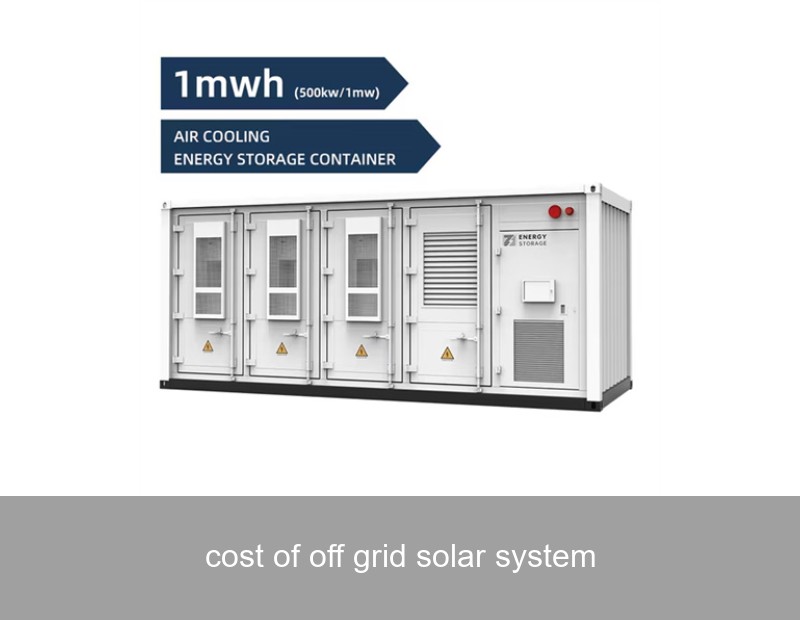
For larger commercial or microgrid applications, our containerized MegaJoule solutions offer utility-scale storage in a plug-and-play format. Whether you're powering a remote mine, an agricultural processing plant, or an entire eco-village, we engineer the system for your specific load profiles and resilience requirements. Our global service network ensures support wherever you are.

Image: Modern, integrated storage systems like Highjoule's HPS Series simplify off-grid power management. (Photo by Kindel Media on Pexels)
Making the Decision: Is Off-Grid Right for You?
So, how do you navigate this complex decision? Start with a detailed analysis of your needs and site. Use tools like the NREL PVWatts Calculator to estimate solar production in your area. Then, consult with experienced professionals who specialize in off-grid design, not just grid-tied solar.
The true cost of an off-grid solar system is an equation balancing upfront capital expenditure with decades of free energy, unparalleled independence, and security. It's not the cheapest option upfront, but for the right location and the right customer, it represents the ultimate long-term value in energy.
What unique challenge does your property face that makes energy independence not just a desire, but a necessity?
 Inquiry
 Online Chat