


Citicore Renewable Energy: Powering a Sustainable Future with Smart Solar
As the world accelerates its transition away from fossil fuels, one name has been making significant strides in the Asia-Pacific region: Citicore Renewable Energy. This Philippine-based developer is rapidly becoming a cornerstone of the country's clean energy ambitions, focusing on utility-scale solar power plants. But what does the rise of major regional developers like Citicore teach us about the global energy transition? It underscores a universal truth: the success of renewable projects hinges not just on generation, but on intelligent integration and storage. This is where advanced energy storage systems (ESS) become the critical linchpin, ensuring that the clean power generated today can reliably light up our homes and industries tonight.
Table of Contents
The Solar Surge: More Power, New Challenges
Look at the global landscape. From the sun-drenched fields where Citicore Renewable Energy operates its solar farms to commercial rooftops in California and residential installations in Germany, photovoltaic (PV) capacity is exploding. The International Energy Agency (IEA) consistently highlights solar PV as the star performer in new electricity capacity additions. This is phenomenal news for our planet. However, this rapid growth brings a well-known yet complex challenge to the forefront: intermittency.
Solar energy is, by nature, variable. The sun doesn't shine at night, and cloud cover can cause sudden dips in output. For grid operators, this variability is like trying to balance a scale while someone randomly adds or removes weights. It creates volatility, potentially leading to instability, frequency fluctuations, and even curtailment (wasting perfectly good solar energy because the grid can't absorb it). This is the core paradox: we are building incredible clean energy assets that, without the right support, can strain the very system they're meant to empower.
The Data Reality: Intermittency and Grid Stability
Let's put some numbers to the narrative. A study by the National Renewable Energy Laboratory (NREL) in the U.S. analyzed high-penetration solar scenarios. It found that without sufficient flexibility resources like storage, integrating large amounts of solar can require significant grid infrastructure upgrades and lead to increased operational costs. In markets like California (CAISO), we already see periods of "negative pricing" during peak solar hours—a clear economic signal that supply is outstripping demand when the sun is brightest.
The data tells a clear story: renewable energy penetration and grid stability must advance hand-in-hand. This isn't a limitation of solar power; it's a design challenge for our modern energy system. The solution lies in pairing generation with intelligent storage, creating a dispatchable, firm power resource that can deliver clean energy on demand, not just when the weather permits.
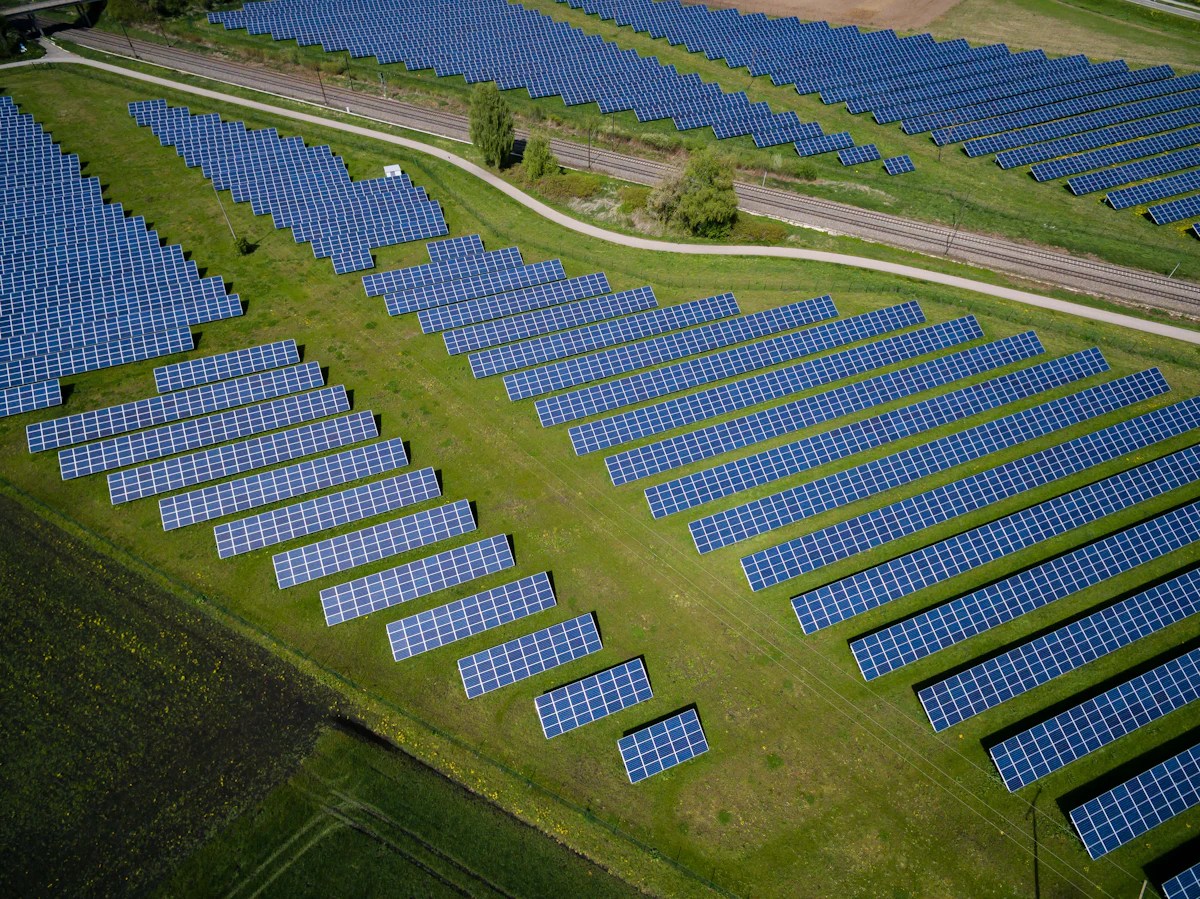
Image: Utility-scale solar farms, like those developed by Citicore Renewable Energy, are key to decarbonization. Source: Unsplash
Case Study: Firming Solar Power for a Stable Grid
Consider a real-world example that mirrors the operational goals of developers like Citicore. In 2022, a 50 MW solar farm in Texas was experiencing significant revenue loss due to evening price volatility and occasional curtailment. The solution? A co-located 10 MW / 40 MWh battery energy storage system (BESS).
Here’s what the BESS enabled:
- Energy Time-Shift: Store excess solar energy produced at midday (when prices were low) and discharge it during the evening peak (when prices and demand were high), increasing revenue.
- Frequency Regulation: Provide fast-responding grid services to help stabilize frequency, creating an additional income stream.
- Firming Capacity: Smooth out short-term solar output variations caused by passing clouds, making the power delivered to the grid more predictable and valuable.
| Metric | Before BESS | After BESS Deployment |
|---|---|---|
| Evening Peak Revenue Capture | ~30% | ~85% |
| Curtailment Events | 15-20 per month | Less than 5 per month |
| Additional Revenue Streams | Energy only | Energy + Ancillary Services |
This case demonstrates the transformative power of solar-plus-storage. The battery system turned a variable energy source into a reliable, grid-friendly asset. For a developer focused on growth and sustainability, this level of control and optimization is not just beneficial—it's becoming essential.
The Highjoule Role: Intelligent Storage for Renewable Success
This is precisely where Highjoule enters the picture. Since 2005, we have been at the forefront of designing and deploying advanced energy storage systems that make renewable energy projects more viable, profitable, and resilient. We understand that a battery is more than just a container for electrons; it's an intelligent grid asset.
For partners like Citicore Renewable Energy and other large-scale developers, our solutions provide the critical backbone for success:
- Highjoule GridSynk: Our flagship utility-scale BESS platform. It's not just about storage capacity; it's about advanced power conversion and grid-forming capabilities. The GridSynk can "black start" a section of the grid and maintain stable voltage and frequency, acting as a foundational pillar for grids with high renewable penetration.
- Intelligent Energy Management Software (EMS): The true brain of the operation. Our AI-driven EMS platform optimizes every charge-discharge cycle, maximizing revenue across multiple value streams—from energy arbitrage and capacity firming to frequency regulation. It makes complex, automated decisions to ensure the highest return on your storage investment.
- Commercial & Industrial (C&I) Solutions: Beyond the solar farm, businesses are also leveraging solar+storage. Our C&I systems help companies reduce demand charges, provide backup power, and meet sustainability goals, creating a decentralized network of resilient energy assets.
Think of Highjoule as the force multiplier for solar. We provide the technology and expertise to capture, hold, and strategically release every kilowatt-hour of clean energy generated, turning a solar farm's output from a weather-dependent resource into a dependable, dispatchable power plant.

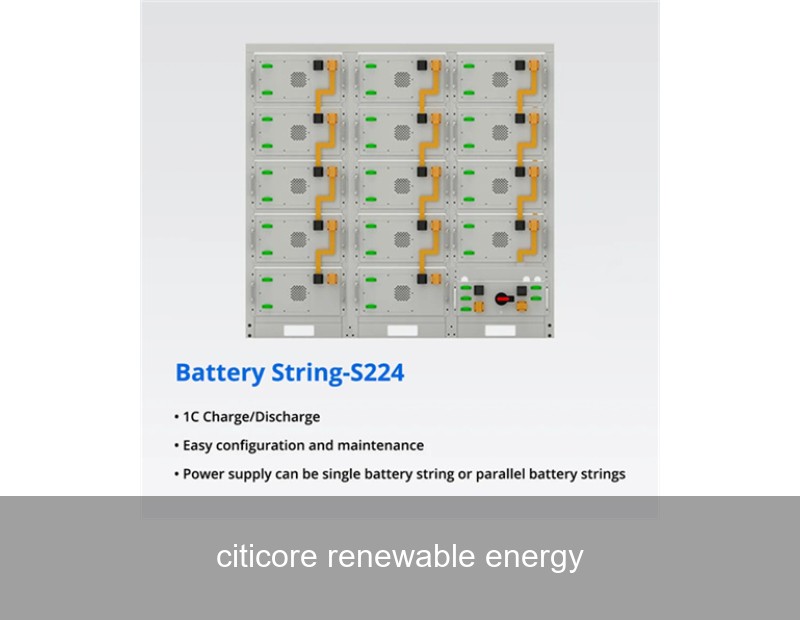
Image: Advanced battery storage systems are crucial for integrating solar power. Source: Unsplash
Why Expertise in Storage Matters for Solar Developers
Choosing a storage partner isn't just a procurement decision; it's a long-term strategic alliance. The battery system will be a key revenue-generating asset for decades. Highjoule's nearly two decades of experience across global markets (including Europe and North America) means we bring proven, bankable technology and a deep understanding of local grid codes and market mechanisms. We ensure your storage asset is optimized for the specific regulatory and economic environment it operates in.
The Future of Solar-Plus-Storage Integration
The trajectory is clear. The next generation of renewable energy projects, from the ambitious pipelines of companies like Citicore Renewable Energy to community solar in the Midwest, will be designed from the ground up as hybrid facilities. The U.S. Department of Energy's Solar Futures Study explicitly outlines storage as an indispensable component for achieving high decarbonization targets, suggesting that hundreds of gigawatts of storage will be needed alongside solar expansion.
The question is no longer if storage is needed, but how to implement it most effectively. How do we design systems that are safe, sustainable over their full lifecycle, and capable of evolving with market rules? The focus is shifting towards long-duration storage, second-life battery applications, and even more sophisticated grid-forming inverters that can replicate the stabilizing inertia of traditional power plants.
The Highjoule Commitment
At Highjoule, we are committed to driving this future. Our R&D is focused on increasing system longevity, improving sustainability through responsible sourcing and recycling programs, and enhancing the digital intelligence of our platforms. We believe in creating storage solutions that are not only smart but also sustainable and circular by design.
As you look at the impressive growth of solar power in your region, whether you're a project developer, a grid operator, or a business owner, what is the one grid challenge you see that smart, integrated storage could solve tomorrow?
 Inquiry
 Online Chat