


Unlocking Resilience and Savings: Your Guide to a Better ESS (Magazyn Energii)
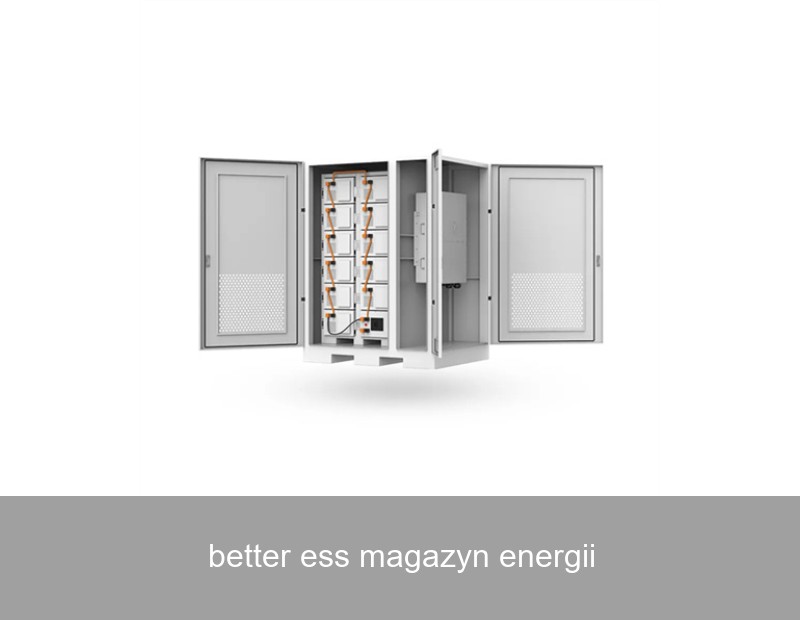
If you're a homeowner or business leader in Europe or the US, you've likely felt the pinch of rising electricity costs and heard the growing calls for energy independence. The conversation is shifting from simply generating renewable power to intelligently managing it. This is where the quest for a better ESS (Energy Storage System), or "lepszy magazyn energii," begins. It's no longer just a battery in a box; it's the brain of your modern energy setup, designed to maximize self-consumption, provide backup power, and stabilize the grid. But what truly separates a basic battery from a high-performance, intelligent ESS? Let's demystify the technology that's putting control back in your hands.
What is a Better ESS (Magazyn Energii)? Beyond Simple Battery Storage
An Energy Storage System (ESS) is the core component that allows you to store electricity for use at a later time. A better ESS, however, integrates advanced power electronics, sophisticated energy management software, and safe, durable battery chemistry into a seamless, automated solution. Think of it as the difference between a basic water tank and a smart, integrated home water system with pumps, filters, and usage monitors. For over 18 years, Highjoule has been at the forefront of this evolution, designing systems that don't just store energy but intelligently orchestrate it based on weather forecasts, energy tariffs, and your consumption patterns.
The Modern Grid's Unseen Problem: Volatility and Cost
The rapid adoption of solar and wind is a triumph for clean energy, but it introduces a new challenge: intermittency. The sun doesn't always shine, and the wind doesn't always blow. This creates a mismatch between supply and demand that strains traditional grids.
- The "Duck Curve": In markets like California, high midday solar production can crash energy prices, followed by a steep demand ramp as the sun sets, requiring expensive and polluting "peaker" plants to come online. A better ESS flattens this curve by storing excess solar for use during the evening peak.
- Energy Price Arbitrage: In many European countries, electricity prices can vary by 300% or more within a single day. An intelligent system like Highjoule's Commercio series for businesses can automatically charge when prices are low and discharge during high-price periods, creating significant operational savings.
- Grid Services: Advanced ESS units can provide frequency regulation and voltage support, becoming revenue-generating assets for their owners while contributing to overall grid stability (source: U.S. Department of Energy).

Image: Utility-scale energy storage is key to grid stability. Source: Unsplash
Anatomy of a Superior Energy Storage System
Building a better magazyn energii requires excellence in four key areas:
| Component | Role | What to Look For |
|---|---|---|
| Battery Cells & Chemistry | The core energy storage medium. | LFP (Lithium Iron Phosphate) chemistry is now the benchmark for safety (thermal stability) and longevity (6,000+ cycles). Highjoule uses Grade-A LFP cells exclusively. |
| Battery Management System (BMS) | The "brain" of the battery pack. | A high-precision BMS monitors voltage, temperature, and state-of-charge for each cell, ensuring safety and maximizing lifespan. |
| Power Conversion System (PCS) | Converts DC battery power to AC for your home/business. | High efficiency (>98%) is crucial to minimize energy loss. The PCS in Highjoule's Domus residential unit is bi-directional and features seamless backup switching. |
| Energy Management System (EMS) | The system-level intelligence. | This software platform learns your usage, integrates weather data, and can be programmed for different optimization modes (e.g., self-consumption, cost-saving, backup). |
Where Highjoule Makes the Difference
Our systems are engineered for holistic performance. For instance, the Highjoule Nexus platform integrates all components with a single, intuitive interface. This means your residential Domus system or commercial Commercio solution isn't a collection of parts, but a unified, smart appliance that can be remotely monitored and updated. We focus on lifecycle value—safety, durability, and adaptability—so your investment pays dividends for decades.
From Theory to Practice: A German Manufacturing Case Study
Let's ground this in reality. A mid-sized automotive parts manufacturer near Stuttgart, Germany, faced two problems: volatile energy costs eating into margins and a corporate mandate to reduce carbon footprint. Their existing 500 kW rooftop solar array was exporting over 40% of its generation to the grid at low feed-in tariffs during weekends.
The Solution: In 2023, they installed a Highjoule Commercio C800 system with 800 kWh of storage capacity and an advanced EMS.
The Data-Driven Outcome (12-month period):
- Self-Consumption of Solar: Increased from 58% to 92%.
- Grid Energy Cost Reduction: 68% decrease in peak-hour grid electricity purchases.
- ROI Timeline: Projected payback period of 4.2 years based on energy savings and capacity market participation.
- Resilience: The system now provides critical process backup for up to 4 hours, preventing costly production halts.
This case exemplifies the tangible benefits of a better ESS. It's not just storage; it's a strategic energy asset. (Contextual data on LCOE from Fraunhofer ISE).

Image: Industrial energy storage systems support manufacturing resilience. Source: Unsplash
Choosing the Right ESS for Your Needs: A Practical Framework
How do you select your ideal magazyn energii? Ask these questions:
- Primary Objective: Is it for bill savings, backup power, solar optimization, or all three?
- Capacity & Power: Analyze your daily load profile. How much energy do you need to shift (kWh), and at what rate (kW)? A Highjoule expert assessment always starts here.
- Integration: Will it work seamlessly with your existing or planned solar PV, inverter, and grid connection? Open-protocol compatibility is key.
- Warranty & Support: Look for a performance warranty that guarantees 70%+ capacity after 10 years. Highjoule's Guardian warranty includes 24/7 remote monitoring and local service partnerships across Europe and North America.
The Future of Energy Storage: What's Next for ESS?
The innovation curve is steep. We're moving towards:
- AI-Optimized Dispatch: Systems that predictively learn and adapt to market signals and weather patterns with even greater precision.
- Vehicle-to-Grid (V2G) Integration: Your EV battery becomes part of your home ESS. Highjoule's platforms are being designed with this future-ready connectivity.
- Community & Virtual Power Plants (VPPs): Networks of distributed ESS units, like thousands of Highjoule systems, aggregated to act as a single, large power plant, offering stability to the national grid (source: NREL on VPPs).
The journey to a better ESS is about taking control. It transforms energy from a volatile monthly bill into a managed, efficient, and resilient asset. What will be the first step in your energy independence journey—maximizing your solar investment, securing your business against outages, or simply gaining peace of mind in an uncertain energy landscape?
 Inquiry
 Online Chat