


Battery Backup Solutions: The Key to Unlocking Energy Resilience and Independence
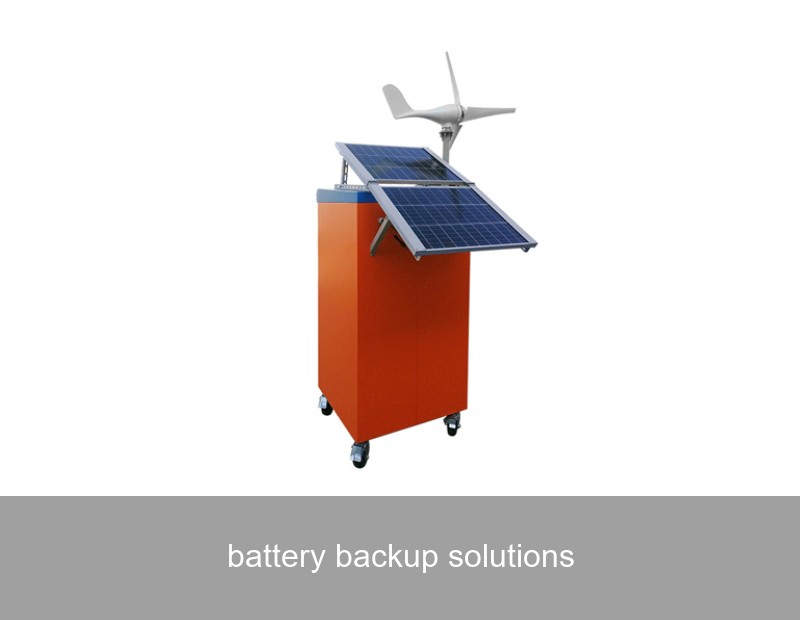
Have you ever wondered what happens when the grid goes down? For homes and businesses across Europe and North America, power outages are more than an inconvenience; they represent a tangible risk to safety, productivity, and financial stability. The solution is no longer just a noisy, polluting generator. Modern battery backup solutions have emerged as the intelligent, silent, and sustainable answer to achieving true energy independence. This article explores why these systems are no longer a luxury but a critical component of a resilient energy strategy.
Table of Contents
The New Reality: Why Outages Are a Growing Concern
The phenomenon is undeniable. From severe winter storms in Texas to heatwave-induced grid stress in California and increasing volatile weather patterns across Europe, electrical grids are facing unprecedented pressure. The U.S. Energy Information Administration (EIA) notes that the frequency and duration of major power outages have shown a concerning trend over the past decade. It's not just about major disasters; even routine maintenance or minor faults can lead to disruptive blackouts.
This vulnerability has a direct cost. For a family, it could mean spoiled food, discomfort, and security risks. For a business, it translates to halted operations, data loss, and significant revenue impact. The traditional response—fossil-fuel generators—provides a stopgap but comes with noise, emissions, ongoing fuel costs, and often a delayed startup time.
Beyond Backup: The Multi-Functional Power of Modern Batteries
Today's advanced battery backup solutions are fundamentally different. They are integrated energy management systems. Their core function remains providing seamless backup power during an outage—often switching on in milliseconds, so you might not even notice the grid failed. But their value extends far beyond that critical role.
- Solar Self-Consumption: Pair a battery with rooftop solar panels, and you can store excess solar energy produced during the day to use at night, dramatically increasing your energy independence from the grid.
- Load Shifting & Cost Savings: In regions with time-of-use (TOU) electricity rates, your system can intelligently draw power from the grid when rates are cheap, store it, and power your home or business when rates are high.
- Grid Services & Sustainability: Aggregated, these systems can form virtual power plants, supporting grid stability and integrating more renewable energy, contributing to a cleaner energy ecosystem.

Image: A modern, sleek home battery system, like those offered by Highjoule, integrates seamlessly into residential spaces. Source: Unsplash
A Real-World Case: Weathering the Storm in Bavaria
Let's look at a concrete example from Southern Germany. A medium-sized dairy farm with an existing 50 kW rooftop solar array faced frequent short grid disruptions that jeopardized its automated milking and cooling systems. In 2022, they installed a integrated battery backup solution with a capacity of 120 kWh.
The results were transformative:
| Metric | Before Installation | After Installation |
|---|---|---|
| Grid Outage Impact | Production halt; risk of milk spoilage | Zero operational disruption for up to 8 hours |
| Solar Self-Consumption | ~35% (excess sold to grid at low rate) | Increased to ~85% |
| Monthly Energy Cost | Baseline of €2,100 | Reduced by approximately 40% |
The system paid for itself in under 7 years through energy savings alone, not counting the avoided losses from outages. This case, documented in a Fraunhofer ISE study on storage system profitability, exemplifies the multi-faceted ROI of a modern battery system.
Choosing the Right Battery Backup Solution
Not all systems are created equal. Key considerations include:
- Capacity & Power: How much energy can it store (kWh), and how much can it deliver at once (kW)? This determines what appliances you can run and for how long.
- Chemistry & Lifespan: Lithium Iron Phosphate (LFP) is now the leading choice for stationary storage due to its safety, long cycle life, and stability.
- Integration & Intelligence: The system's brain—its energy management software—is crucial. It should seamlessly coordinate solar production, battery charging/discharging, home loads, and the grid.
- Scalability & Warranty: Can the system be expanded if your needs grow? A strong, long-term warranty is a sign of manufacturer confidence.
The Highjoule Approach: Intelligent Energy Management
This is where Highjoule's expertise comes into play. Since 2005, we have evolved from a battery technology pioneer to a global provider of complete, intelligent storage systems. Our battery backup solutions are designed with the entire energy ecosystem in mind.
For residential customers, our HomePower series offers scalable LFP battery systems with an intuitive AI-driven energy manager. It learns your consumption patterns, weather forecasts, and electricity tariffs to autonomously optimize your energy flow for maximum savings and comfort.
For commercial and industrial applications, our GridMax solutions provide robust, high-power storage. A bakery in Ohio, for instance, uses a GridMax system not only for backup but to avoid costly demand charges from their utility, saving thousands annually. Our systems are also integral to microgrid projects, providing the stability needed to integrate high levels of renewables for remote communities or critical infrastructure.

Image: Containerized battery storage systems enable large-scale renewable integration. Source: Unsplash
What sets Highjoule apart is our EnergyOS platform. This proprietary software layer turns hardware into a smart grid asset. For the end-user, it means simple control via a smartphone app. For installers and grid operators, it provides deep system diagnostics and the ability to participate in grid service programs where available, creating a potential new revenue stream.
Your Role in the Future Grid
The transition to a decentralized, renewable-powered grid is underway. Battery backup solutions are the enabling technology that puts you, the energy consumer, at the center of this transition. You become an active participant—producing, storing, and managing your own power.
This isn't just about technology; it's about empowerment. It's about taking control of your energy costs, securing your operations against an uncertain grid, and making a tangible contribution to carbon reduction. The question is no longer if you need a battery backup system, but how you can configure one to best meet your specific goals for resilience, savings, and sustainability.
What is the single biggest energy challenge your home or business faces today that a smarter, more resilient power system could solve?
 Inquiry
 Online Chat