


Bali Lithium Battery Solutions: Powering Paradise with Sustainable Energy
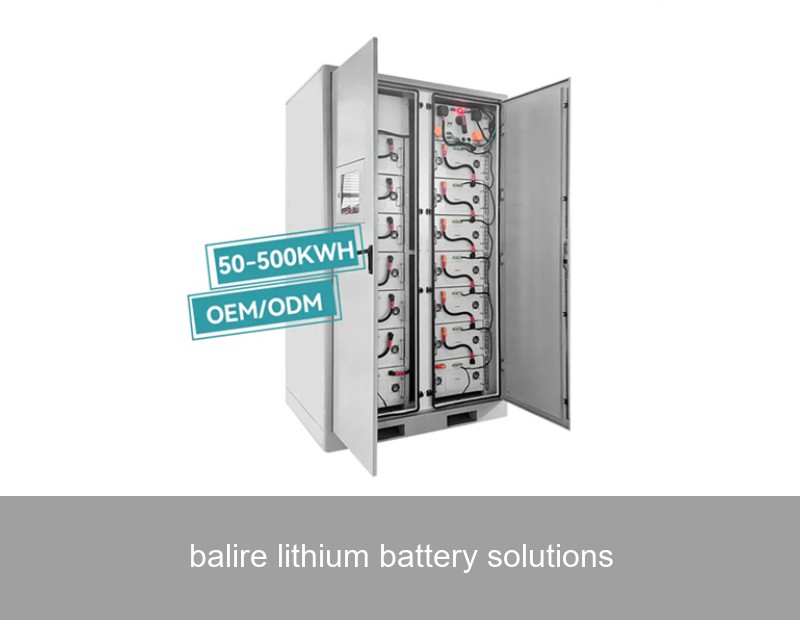
Imagine an island paradise. Bali, Indonesia, comes to mind with its lush jungles, vibrant culture, and stunning coastlines. Now, imagine that paradise empowered by clean, reliable, and independent energy. This vision is rapidly becoming a reality, and at the heart of this transformation are advanced Bali lithium battery solutions. For communities and businesses across Bali and similar regions, the shift from sporadic grid power to self-sustained solar-plus-storage systems isn't just a technical upgrade—it's a revolution in quality of life, economic resilience, and environmental stewardship. As a global leader in advanced energy storage, Highjoule is proud to be at the forefront, providing the intelligent battery systems that make this sustainable future possible.
The Power Behind Modern Energy: Why Bali's Choice Matters
You might wonder, why is there so much focus on Bali? Bali represents a perfect case study for islands and remote communities worldwide. Its energy grid faces unique pressures: a booming tourism industry, growing population, and geographical challenges that make grid expansion complex and costly. Frequent power fluctuations and outages aren't just inconveniences; they impact business operations, food security, healthcare, and daily comfort. The quest for stable power has made Bali a hotbed for renewable adoption, primarily solar photovoltaic (PV) panels. However, solar alone has a fundamental limitation: the sun doesn't shine at night. This is where lithium battery solutions become the indispensable piece of the puzzle, storing the sun's abundance for use anytime.
Bali's Energy Challenge: A Microcosm of a Global Phenomenon
The phenomenon is clear. Bali's primary electricity source has historically been fossil fuels, with a portion imported from Java via undersea cables. According to data from Indonesia's Ministry of Energy, the peak electricity demand in Bali has grown by over 7% annually, heavily straining existing infrastructure. For a villa owner, this means unpredictable bills and blackouts during peak dinner service. For a local workshop, it means halted production. The data shows a direct correlation between energy reliability and economic productivity.
This challenge created a market need. The initial response was diesel generators—noisy, polluting, and expensive to run. The next wave was solar PV, which addressed the fuel cost but not the 24/7 power need. The missing link was intelligent, high-capacity storage. This logical progression—from generator to solar to solar-plus-storage—is the exact journey many Balinese businesses and households are now completing, seeking not just backup power, but true energy independence.

Solar installations in Bali are increasingly paired with storage. Source: Unsplash
Why Lithium Battery Solutions Are the Cornerstone of Modern Storage
Not all batteries are created equal. While lead-acid batteries were the old standard, lithium battery solutions, particularly Lithium Iron Phosphate (LFP), have become the new benchmark for renewable energy storage. Let's break down why:
- Longer Lifespan & Better Value: A quality LFP battery, like those in Highjoule's product line, can deliver over 6,000 cycles while maintaining 80% of its original capacity. This means decades of reliable service, far outstripping lead-acid alternatives.
- Higher Efficiency & Faster Response: Lithium batteries charge and discharge with over 95% efficiency, meaning you lose very little of your precious solar energy. They also respond to load changes in milliseconds, ensuring seamless power during grid outages.
- Safety & Stability: The LFP chemistry is inherently more stable and less prone to thermal runaway than other lithium types, a critical factor for safety in residential and commercial settings.
- Space-Saving Design: They offer a much higher energy density, requiring significantly less space for the same amount of storage—a key advantage where space is at a premium.
For the Balinese context, these advantages translate directly into lower lifetime costs, minimal maintenance, and a system that can withstand the island's humid, tropical climate.
Comparing Energy Storage Technologies
| Technology | Typical Lifespan (Cycles) | Round-Trip Efficiency | Key Consideration for Bali |
|---|---|---|---|
| Lead-Acid (Flooded) | 500-1,000 | 70-80% | Frequent maintenance, shorter life in heat. |
| Lithium Cobalt (NMC) | 2,000-3,500 | 90-95% | High performance, but requires stringent thermal management. |
| Lithium Iron Phosphate (LFP) | 6,000+ | 95-98% | Exceptional stability, long life, ideal for tropical climates. |
The Highjoule Approach: Engineering Reliable Bali Lithium Battery Solutions
At Highjoule, we understand that providing a Bali lithium battery solution isn't just about shipping a product. It's about delivering a resilient power ecosystem. Our systems are engineered for the specific demands of island and off-grid environments. Our flagship product, the Highjoule HPS Series, is a modular, scalable energy storage system built with premium LFP cells. It's designed for easy integration with both new and existing solar installations, whether for a single villa or a large commercial complex.
What sets our Bali lithium battery solutions apart is the intelligence behind the hardware. Our integrated Energy Management System (EMS) is the brain of the operation. It doesn't just store energy; it optimizes it. The EMS learns energy usage patterns, predicts solar generation based on weather forecasts, and automatically decides the most economical time to charge from solar or the grid, and when to discharge to power your property. For our clients in Bali, this means maximizing self-consumption of solar energy, drastically reducing diesel generator use, and providing rock-solid backup power the instant the grid falters—all without any manual intervention.
Our services extend beyond the unit itself. We work with a network of certified local installers in key markets, ensuring that every Highjoule system is deployed correctly, safely, and supported by local expertise for the long term.

Professional installation is key to system performance. Source: Unsplash
Case Study: Powering Sustainability at Bali's Green School
Let's look at a real-world example. The Green School in Bali, an institution renowned for its commitment to sustainability, faced a critical challenge. Their campus, powered by a large solar array, was still reliant on the grid at night and during cloudy periods. Their goal was to achieve near-total energy independence and provide a stable learning environment.
In 2022, Highjoule partnered with a local solar integrator to deploy a custom lithium battery solution. The installation comprised a 500 kWh Highjoule HPS battery system integrated with their existing 800 kWp solar canopy. The results, monitored over one full year, speak for themselves:
- Grid Independence: The school's grid electricity consumption was reduced by 94%, moving them to almost complete self-sufficiency.
- Reliability: The system provided uninterrupted power through over 30 recorded grid outages, ensuring classes and campus operations continued seamlessly.
- Economic & Environmental Impact: The project is saving the school an estimated $25,000 annually on energy costs while preventing approximately 180 tons of CO2 emissions each year.
This case exemplifies how a well-designed Bali lithium battery solution is more than equipment; it's an enabling technology for educational, economic, and environmental missions. You can read more about global renewable trends in schools from sources like IRENA.
Envisioning the Future: What Does a 100% Renewable Bali Look Like?
The success at Green School is a replicable model. Imagine this scaled across Bali's hotels, manufacturing facilities, agricultural cooperatives, and residential communities. A network of decentralized, solar-plus-storage microgrids can create a more resilient overall energy landscape, reducing strain on the main grid and providing critical support during natural disasters. The technology is here, and it's proven.
The journey towards energy independence is both a personal decision for property owners and a collective step for communities. It begins with asking the right questions: How much of your current energy bill could be converted into a fixed, predictable investment in your own infrastructure? How would guaranteed power stability transform your business operations or home life?
We invite you to explore what a Highjoule Bali lithium battery solution could look like for your specific needs. What's the first load you would secure to achieve peace of mind?
 Inquiry
 Online Chat