


Advanced Energy Inverter: The Intelligent Heart of Modern Power Systems
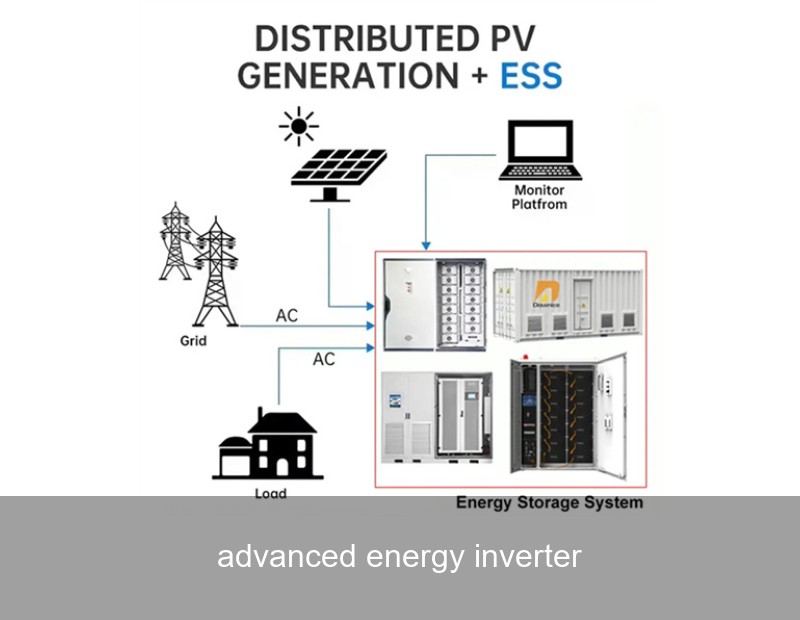
Have you ever wondered what makes a modern solar or battery system truly smart, efficient, and reliable? The answer often lies not just in the panels or the batteries, but in a critical, yet sometimes overlooked, component: the advanced energy inverter. This device is far more than a simple converter; it's the intelligent command center for your energy, managing the complex flow of power between solar panels, batteries, the grid, and your home or business. As energy independence becomes a priority for homeowners and enterprises across Europe and the US, understanding the role of this technological linchpin is key to unlocking a sustainable and resilient energy future. Companies like Highjoule, a global leader in advanced energy storage since 2005, are at the forefront of designing these sophisticated inverters that form the core of intelligent storage systems.
Table of Contents
What is an Advanced Energy Inverter? From Converter to Conductor
At its most fundamental, an inverter changes Direct Current (DC) electricity—the kind produced by solar panels and stored in batteries—into Alternating Current (AC) electricity that powers our appliances and feeds into the grid. However, labeling today's advanced energy inverter as just a "converter" is like calling a smartphone a "telephone." It drastically understates its capabilities.
An advanced inverter is a high-performance computing device embedded with power electronics. It continuously monitors, manages, and optimizes energy flows in real-time. Think of it as the brain and nervous system of your energy setup. It decides when to store excess solar energy, when to draw from the battery during peak tariff hours, and how to maintain perfect grid synchronization or island safely during an outage. This intelligence is what transforms a collection of components into a cohesive, money-saving, and grid-supportive advanced energy storage system.

Image Source: Unsplash - A modern inverter unit, the core of intelligent energy management.
Why Advanced Technology Matters: The Data-Driven Argument
The shift from basic to advanced inverters isn't just a marketing trend; it's a response to real economic and technical challenges. Let's look at the phenomenon. Grids are becoming more volatile with the influx of intermittent renewables, and electricity prices, especially in regions like Europe, are experiencing significant peaks.
Here's where data tells a compelling story. A study by the National Renewable Energy Laboratory (NREL) highlights that smart inverters with grid-support functions can facilitate much higher levels of solar penetration on the grid without compromising stability. Furthermore, for a commercial user in California or Germany, the difference between consuming power during peak and off-peak hours can be over 50%. A basic inverter might save you money through solar self-consumption, but an advanced energy inverter with sophisticated time-based control can maximize savings by strategically avoiding those expensive peak periods entirely.
The logic is clear: more intelligence in the inverter translates directly to greater ROI, enhanced resilience, and better grid citizenship.
Key Features of a Modern Advanced Inverter
So, what should you look for? Here are the hallmarks of a true advanced inverter system:
- Hybrid Capability: Seamlessly integrates both solar and battery storage into a single, optimized unit. Grid Services & Compliance: Features like voltage/frequency regulation, ride-through, and power factor correction. In markets like the EU and parts of the US, these features are becoming mandatory for new installations (e.g., VDE-AR-N 4105 in Germany, UL 1741-SA in the US).
- High Efficiency (>98%): Every percentage point of efficiency gain means more of your precious self-generated power is used, not lost as heat.
- Robust Software & Monitoring: An intuitive platform that provides real-time data, customizable operating modes (e.g., self-consumption, backup, time-of-use optimization), and remote updates.
- Scalability and Modularity: The ability to easily expand battery capacity or add more inverters in parallel as your energy needs grow.
| Feature | Basic Inverter | Advanced Energy Inverter |
|---|---|---|
| Primary Function | DC to AC Conversion | Intelligent Energy Management & Conversion |
| Grid Interaction | Passive | Active (Can provide stability services) |
| Battery Integration | Often requires separate unit | Native, seamless integration |
| Response to Grid Events | May simply disconnect | Can "ride through" minor fluctuations |
| Energy Cost Optimization | Limited | Advanced, algorithm-driven |
A Real-World Case: Boosting Resilience and Savings in German Manufacturing
Let's move from theory to practice. Consider a mid-sized automotive parts manufacturer near Stuttgart, Germany. Their challenges were twofold: high energy costs due to intensive machinery operation and a critical need for production continuity. Any grid outage would result in costly downtime.
In 2022, they deployed a comprehensive advanced energy storage system centered on a high-power, three-phase advanced energy inverter. The system was designed to manage a 500 kW solar array and a 1 MWh battery bank. The inverter's sophisticated software was programmed with Germany's specific tariff structure and the plant's precise production schedule.
The results after one year were telling:
- Energy Cost Reduction: By using stored solar energy to power machinery during peak price hours (8 AM-8 PM), they reduced their grid electricity purchases during this window by over 70%.
- Backup Power: The system provided seamless transition to backup power during two brief grid disturbances, preventing an estimated €45,000 in production losses.
- Grid Support: The inverter's reactive power capability helped stabilize local grid voltage, a service increasingly valued by network operators.
This case, echoed by many in the US industrial sector, underscores that the right advanced energy inverter is a strategic investment, not just an electrical component.

Image Source: Unsplash - Commercial and industrial sites are major beneficiaries of advanced inverter technology.
Choosing the Right Advanced Inverter for Your Needs
Selecting an inverter isn't a one-size-fits-all process. Your choice depends heavily on your geography and application:
- For European Homes & Businesses: Compliance with local grid codes (like CEI 0-21 in Italy or ERDF in France) is non-negotiable. Look for inverters with certified grid-support functions and strong data privacy features (GDPR-aligned).
- For US Residential: Consider backup power needs (especially in areas prone to wildfires or storms), and look for inverters listed to UL 1741-SA and compatible with the Inflation Reduction Act (IRA) incentives.
- For Commercial & Industrial (C&I): Scalability, high power output, and advanced software for demand charge management are critical. The ability to integrate with existing building management systems is a major plus.
Always consult with a certified installer who can assess your load profile, local regulations, and financial goals.
Highjoule's Role: Engineering Intelligence into Every System
At Highjoule, our mission since 2005 has been to provide more than just hardware—we deliver intelligent, optimized power solutions. Our advanced energy inverter technology is the cornerstone of this promise. Built into our H-Power Cube for commercial/industrial applications and our H-Series for residential, these inverters are engineered for the demands of modern grids.
Our inverters feature proprietary algorithms for peak shaving and time-of-use optimization, ensuring our clients in California, Texas, Germany, or Italy maximize their financial return. They come standard with grid-forming capability, allowing for stable microgrid operation—a key feature for communities and businesses seeking true energy independence. Furthermore, the Highjoule Energy Management Platform offers unparalleled visibility and control, putting the power of optimization directly in the hands of the user. Whether it's a home seeking backup resilience or a factory aiming for net-zero operations, Highjoule's systems are designed with the intelligent inverter at their core to ensure performance, reliability, and sustainability.
The Future Is Adaptive
As we look ahead, the role of the advanced energy inverter will only expand. With the rise of vehicle-to-grid (V2G) technology and virtual power plants (VPPs), the inverter will become the essential gateway for bi-directional energy trading and aggregated grid services. The question is no longer if you need an intelligent inverter, but how you can leverage its full potential to meet your specific energy and sustainability goals.
Is your current energy system equipped with the intelligence to handle tomorrow's price volatility and grid demands, or is it simply converting current from one form to another?
 Inquiry
 Online Chat