


Understanding the 3kW Solar System Price in Zimbabwe: A Guide to Smart Energy Investment
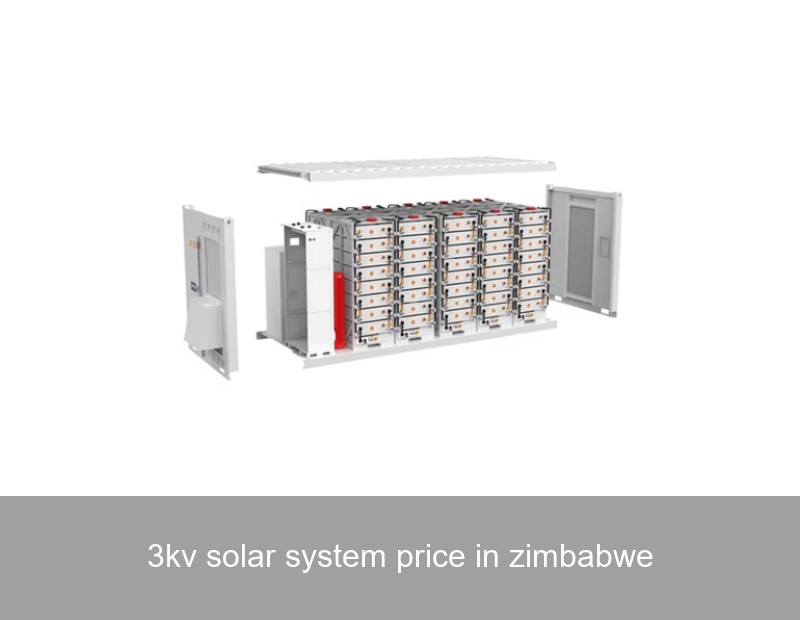
If you're researching a 3kW solar system price in Zimbabwe, you're likely looking for more than just a number. You're exploring a pathway to energy independence, cost savings, and resilience in a dynamic energy landscape. The quoted price is just the entry point; the real value lies in the system's quality, longevity, and the intelligence behind it. For homeowners and small businesses across Zimbabwe, from Harare to Bulawayo, a 3kW system represents a practical and powerful step towards taking control of your power supply. Let's demystify the costs and components, and explore how global innovation, like that from companies such as Highjoule, is making reliable solar-plus-storage more accessible than ever.
Table of Contents
- The Real Breakdown of a 3kW Solar System Price
- Beyond Panels: Key Components That Define Cost & Performance
- A Zimbabwean Case Study: The Harare Household Project
- The Game Changer: Integrating Advanced Battery Storage
- How Global Providers Like Highjoule Elevate Solar Investments
- Making the Right Choice for Your Energy Future
The Real Breakdown of a 3kW Solar System Price
When you receive a quote for a solar system, it's a sum of several critical parts. A typical grid-tied or hybrid 3kW system price in Zimbabwe can range broadly, from approximately $2,500 to $5,500 USD or more, depending entirely on the technology and brand tier selected. This variance isn't arbitrary. Think of it like buying a car: the base model and the luxury model serve the same fundamental purpose, but the performance, comfort, and long-term reliability differ significantly.
The core cost drivers are:
- Solar Panels (Photovoltaic Modules): Usually the largest single cost. Tier-1 monocrystalline panels with higher efficiency (21%+) cost more but produce more energy in limited roof space.
- Inverter: The brain of the system. A basic string inverter is cheaper, while more sophisticated hybrid inverters or microinverters (which allow panel-level optimization) command a higher price.
- Mounting Structure & Cabling: Often overlooked, quality here ensures your system withstands decades of weather.
- Installation & Labor: Professional installation by certified technicians is non-negotiable for safety and warranty validity.
- The Critical Add-On: Battery Storage. This is the single biggest factor that transforms a simple solar system into a 24/7 power solution. Adding a battery significantly increases the upfront cost but delivers unmatched value during load-shedding.
Beyond Panels: Key Components That Define Cost & Performance
To understand the price, you must look under the hood. The inverter and the potential addition of a battery are what separate a basic daytime system from a robust energy solution.
A standard 3kW string inverter might handle your basic conversion from DC (solar) to AC (home appliances). However, in an environment with an unstable grid, a hybrid inverter is essential. It can integrate power from solar panels, the grid, and a battery bank, intelligently switching between sources to keep your lights on seamlessly. The next layer is the battery itself. Not all batteries are created equal. The market offers lead-acid, but the modern standard is moving towards Lithium Iron Phosphate (LiFePO4) batteries. They offer longer lifespans (6,000-10,000 cycles vs. 1,500 for lead-acid), deeper safe discharge, faster charging, and require no maintenance.

Image: Quality installation of solar components is crucial for long-term performance. Source: Unsplash
A Zimbabwean Case Study: The Harare Household Project
Let's ground this in reality. In 2023, a family in Borrowdale, Harare, decided to tackle persistent load-shedding. Their goal: power essential loads (lights, fridge, TV, internet, and a few sockets) for up to 8 hours during grid outages. They opted for a 3.2kW system with a hybrid inverter and a 5.12kWh LiFePO4 battery.
| Component | Specification | Approx. Cost (USD) |
|---|---|---|
| Solar Panels | 8 x 400W Monocrystalline | $1,200 |
| Hybrid Inverter | 3.6kW, Grid-Tie with Battery Charging | $900 |
| Battery Storage | 5.12kWh LiFePO4 (1 unit) | $1,400 |
| Mounting, Cabling, Protection | Galvanized steel, DC & AC cabling | $500 |
| Installation & Commissioning | Certified 3-day install | $450 |
| Total System Price | ~$4,450 |
The Outcome: Post-installation, the household reported a 90% reduction in generator usage, slashing their monthly fuel costs by about $120. Their grid electricity bill also fell by nearly 40% during sunny months. The system paid for itself in estimated savings within 3-4 years, not accounting for the intangible value of consistent, quiet, and fume-free power. This case highlights that the true "price" is an investment with a measurable return, not just an expense. (Data based on anonymized project data from a Zimbabwean solar installer).
The Game Changer: Integrating Advanced Battery Storage
The Harare case study underscores a pivotal point: the battery is what liberates you from the grid's schedule. But modern energy storage isn't just a "dumb box" of electricity. The intelligence of the Battery Management System (BMS) and the system's ability to integrate with energy management software are what differentiate a good system from a great one. An advanced BMS protects the battery, optimizes its lifespan, and communicates seamlessly with the inverter for efficient charging and discharging cycles based on your habits and grid availability.
How Global Providers Like Highjoule Elevate Solar Investments
This is where expertise from global leaders becomes relevant, even for local installations. Companies like Highjoule, with nearly two decades of experience in advanced energy storage, are pushing the boundaries of what integrated solar-plus-storage systems can do. While Highjoule's large-scale commercial systems power industries and microgrids worldwide, the core technology principles—intelligence, safety, and durability—trickle down to benefit residential and small business solutions available in markets like Zimbabwe through qualified partners.
For instance, Highjoule's focus on modular, scalable lithium-ion battery systems means a homeowner can start with a capacity that fits their current budget and expand it later as needs grow. Their systems often feature sophisticated energy management that can prioritize solar self-consumption, schedule charging from the grid during off-peak times (if available and cheap), and provide backup power instantly during an outage—all automatically. When you're evaluating a 3kW solar system price in Zimbabwe, inquiring about the brand and capabilities of the battery storage component is crucial. Partnering with installers who have access to and training on globally proven technologies can significantly de-risk your investment. Highjoule's approach to safe and efficient battery storage aligns with the highest international standards, a key consideration for long-term asset safety.

Image: A modern, wall-mounted home battery storage system. Source: Unsplash
Making the Right Choice for Your Energy Future
So, how do you move from a generic price check to a smart purchase?
- Audit Your Energy Needs: Don't guess. Look at your ZESA bill or use a energy meter to identify your critical load (the appliances you need during outages) and daily consumption. A good installer will do this with you.
- Prioritize Quality Components: Specifically ask for the brands and models of panels, inverters, and batteries. Research their warranties (10+ years for panels, 10 years for batteries is a good benchmark).
- Demand a Detailed Quote: The quote should itemize every component, its specifications, and labor costs. Avoid vague, lump-sum offers.
- Think in Total Cost of Ownership (TCO): A cheaper lead-acid battery may need replacement in 3-5 years, while a LiFePO4 battery lasts 10+. The long-term TCO of the lithium option is often lower.
- Verify Your Installer: Ensure they are certified, have a portfolio of previous work, and can provide references. They should also handle the necessary regulatory notifications.
For deeper insights into global solar trends that influence local markets, resources like the International Energy Agency's Renewables Report are invaluable.
Your Next Step
The journey to energy independence starts with a question that goes beyond price. As you contemplate the right 3kW solar system for your home in Zimbabwe, what aspect of your daily life would be most transformed by having guaranteed, clean power 24 hours a day? Is it preserving food safely, ensuring your home office never goes offline, or simply the peace of mind that comes with light and security regardless of the grid's status? Defining that priority will guide you to the system—and the investment—that truly matches your needs.
 Inquiry
 Online Chat