


Unlocking Energy Independence: The Power of a 10kW 48V Split Phase Solar Inverter
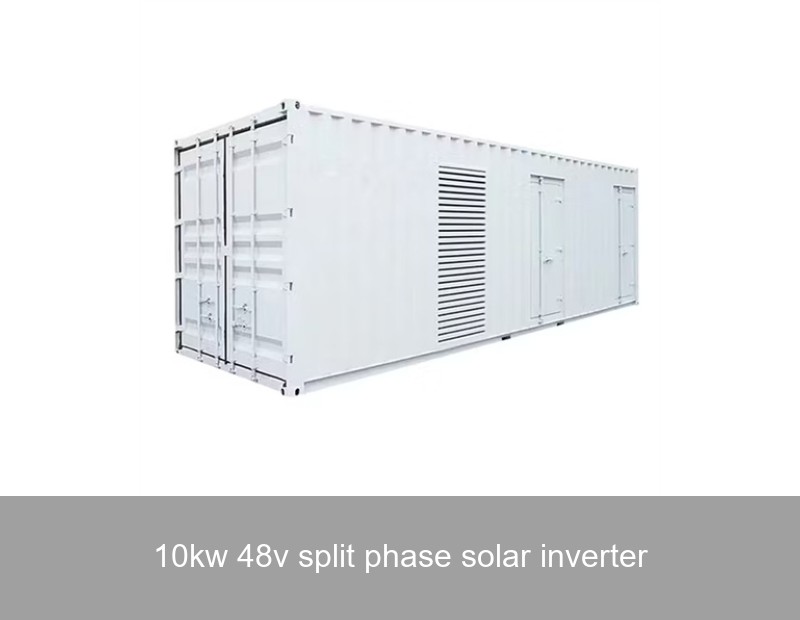
Have you ever watched your electricity bill climb and wondered, "There must be a better way"? For homeowners and small business owners in the US and Europe, there is. The heart of a robust, self-sufficient solar energy system often beats with a key component: the 10kW 48V split phase solar inverter. This isn't just another piece of hardware; it's the intelligent brain that converts solar power into usable, reliable electricity for your split-phase North American home or compatible European system. But what makes it the go-to choice for so many seeking energy security? Let's explore how this technology is transforming rooftops into personal power plants.
Table of Contents
- The Core of Your Solar System: What Is a 10kW 48V Split Phase Inverter?
- Why Size and Configuration Matter: The 10kW 48V Advantage
- A Real-World Case: The Smith Family's Journey to Resilience
- Choosing the Right Inverter: Beyond Basic Specifications
- The Highjoule Approach: Intelligent Energy, Simplified
- Is Your Home Ready for the Future of Energy?
The Core of Your Solar System: What Is a 10kW 48V Split Phase Inverter?
First, let's demystify the name. A 10kW 48V split phase solar inverter is a power conversion device designed for medium-scale energy needs. The "10kW" refers to its power rating—it can continuously deliver up to 10,000 watts of AC power, enough to run heavy loads like air conditioners, well pumps, and multiple appliances simultaneously. The "48V" indicates the DC battery voltage it connects to, a standard for robust residential battery energy storage systems (BESS) that balances efficiency, cost, and safety. "Split phase" is the crucial output configuration, primarily for the North American market, which provides the standard 120V/240V AC power that every home appliance expects.
Think of it as a sophisticated translator and manager. It takes the direct current (DC) from your solar panels and/or battery bank, converts it into the alternating current (AC) your home uses, and seamlessly synchronizes it with the utility grid. During an outage, a quality hybrid inverter like this can automatically disconnect from the grid and keep your essential circuits running using solar and battery power—a feature known as islanding.
The Technical Symphony: How It All Works Together
This inverter doesn't work in isolation. It's the conductor of an energy orchestra:
- Solar Arrays: Generate DC electricity.
- Battery Bank (48V): Stores excess energy for use at night or during outages.
- Inverter/Charger: The core unit (the 10kW inverter) that converts DC to AC, charges the battery with excess solar or grid power, and manages energy flow.
- Load Center: Distributes power to your home's circuits.
- Utility Grid: Provides backup power and allows for net metering.

Image: A clean, professional inverter installation is key to system reliability. (Source: Unsplash, Photographer: Andreas Gücklhorn)
Why Size and Configuration Matter: The 10kW 48V Advantage
The popularity of the 10kW 48V model isn't accidental. It hits a sweet spot in the market. According to data from the U.S. Department of Energy, the average annual electricity consumption for a U.S. residential utility customer is about 10,600 kWh. A properly sized 10kW solar system, managed by a capable inverter, can offset a significant majority of this consumption for many homes.
Choosing a 48V battery system over lower-voltage options (like 12V or 24V) means higher efficiency and lower current for the same power. This translates to less energy lost as heat, thinner and more affordable wiring, and generally a more scalable and stable system. For split-phase applications, the inverter natively produces the two 120V legs required, with 240V available between them, perfectly matching the electrical infrastructure of homes in the United States and Canada.
| Inverter Feature | Benefit for Homeowner |
|---|---|
| 10kW Continuous Output | Powers entire home essentials and major appliances during an outage. |
| 48V DC Battery Input | Efficient, industry-standard voltage for safer, expandable storage. |
| Split-Phase Output (120V/240V) | Direct compatibility with North American home wiring and appliances. |
| Hybrid Functionality | Integrates solar, battery, and grid for optimal energy use and backup. |
A Real-World Case: The Smith Family's Journey to Resilience
Let's make this concrete. The Smith family in rural California faced frequent Public Safety Power Shutoffs (PSPS) due to wildfire risk. Their old grid-tied solar system would shut down during these outages, leaving them in the dark. They decided to upgrade to a system built around a 10kW 48V split phase solar inverter.
The Data: Their system includes 12kW of solar panels and a 20kWh 48V lithium-ion battery bank. Since installation, over the past 18 months:
- Grid Independence During Outages: They have weathered 14 grid outages, totaling over 200 hours, without losing power.
- Energy Bill Reduction: Their annual electricity cost has dropped by 92%, thanks to solar self-consumption and intelligent load management by the inverter.
- Self-Consumption Rate: The system's smart programming allows them to use over 85% of the solar energy they produce on-site, maximizing their investment.
The inverter's rapid islanding detection (<2 seconds) and seamless transition meant the family often only knew about the outage from notifications on their phone app, not from any flicker in their lights.
Choosing the Right Inverter: Beyond Basic Specifications
Not all 10kW 48V inverters are created equal. When evaluating options, savvy consumers look at the intelligence layer. Key features to demand include:
- Advanced Battery Compatibility: Can it communicate with and optimize various lithium-ion chemistries (like LFP) for safety and longevity?
- Grid Services Readiness: In some European and US markets, inverters can provide grid stabilization services. Is yours capable?
- User-Friendly Monitoring: A robust app that provides real-time data on production, consumption, and battery state is non-negotiable for modern energy management.
- Scalability: Can you easily add more batteries or solar panels later if your needs grow?
- Warranty & Support: This is a long-term investment. Look for a strong warranty and a manufacturer with a proven track record.
The Highjoule Approach: Intelligent Energy, Simplified
This is where Highjoule's expertise comes into play. Since 2005, we've been at the forefront of advanced energy storage, designing solutions that are not just powerful but also intelligent. For the residential and small commercial market seeking a premium 10kW 48V split phase solar inverter solution, our HPS Series Hybrid Power System embodies this philosophy.
The Highjoule HPS inverter is engineered for the demands of the modern energy-conscious homeowner. It integrates seamlessly into split-phase systems, offering high surge capacity for starting motors, high-efficiency conversion (>97.5%), and built-in smart energy management. Our proprietary EnergyOS platform turns raw data into actionable insights, allowing users to set preferences for cost-saving, backup priority, or carbon footprint reduction. The system can be paired with Highjoule's modular 48V lithium iron phosphate (LFP) battery packs, known for their safety and cycle life, to create a truly resilient and adaptive home energy ecosystem.

Image: Monitoring and controlling your energy system should be intuitive and accessible. (Source: Unsplash, Photographer: Kindel Media)
We understand that every home's energy profile is unique. That's why our technical support and design teams work with certified installers across Europe and the US to ensure the system is perfectly tailored—whether the goal is full backup, time-of-use bill management, or simply maximizing the use of renewable energy, as encouraged by policies like the European Union's REPowerEU plan.
Integration is Key
Highjoule's systems are designed for holistic integration. We consider how the inverter interacts with your existing solar, your home's electrical panel, and even future technologies like EV chargers. This systems-level thinking prevents the common pitfalls of mismatched components and underperformance, ensuring you get the full value and reliability promised by a 10kW 48V system.
Is Your Home Ready for the Future of Energy?
The transition to a decentralized, resilient energy grid is underway. A 10kW 48V split phase solar inverter is more than an appliance; it's a statement of energy independence and a practical step towards a sustainable household. It answers the growing concerns over grid reliability and energy costs with solid technology.
But the real question isn't just about specifications on a datasheet. It's about what you value: Is it the peace of mind that comes with lights staying on during a storm? The satisfaction of watching your net energy cost approach zero? Or the contribution to a cleaner energy mix for your community?
What would you power first to transform your house into a true home of the future?
 Inquiry
 Online Chat